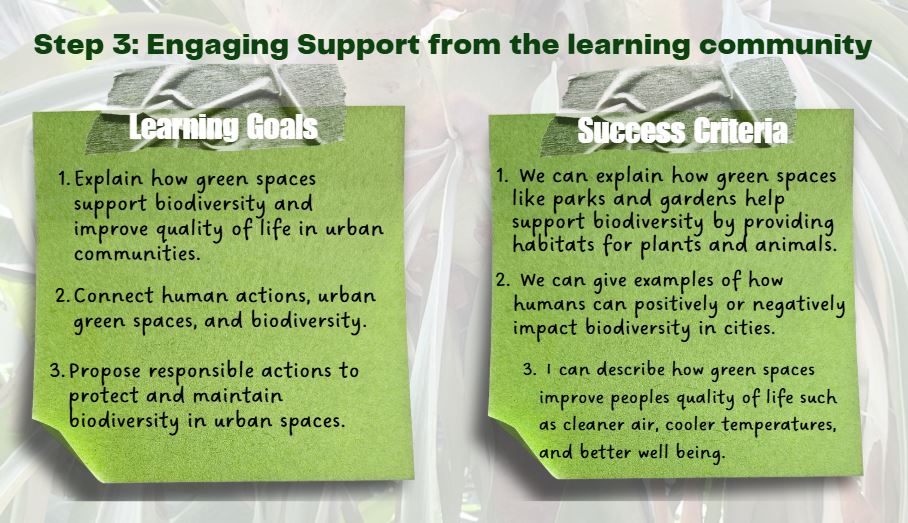
To explain how green spaces support biodiversity and improve the quality of urban communities, here are places and primary resources we met for engaging support from learning communities. It aims are to find out :
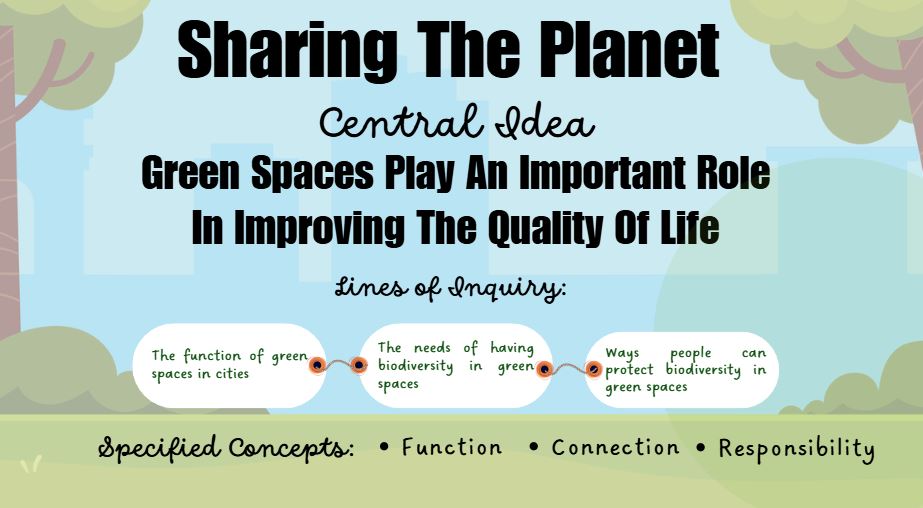
1. The function of green spaces in the cities
2. The needs of having biodiversity in green spaces.
3. Ways people can protect biodiversity in green spaces.
We chose to visit these primary resources because :
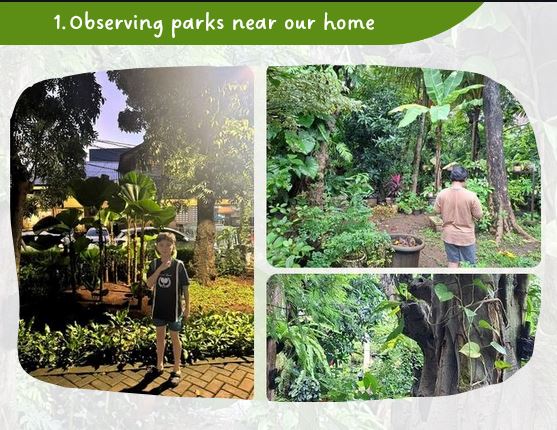
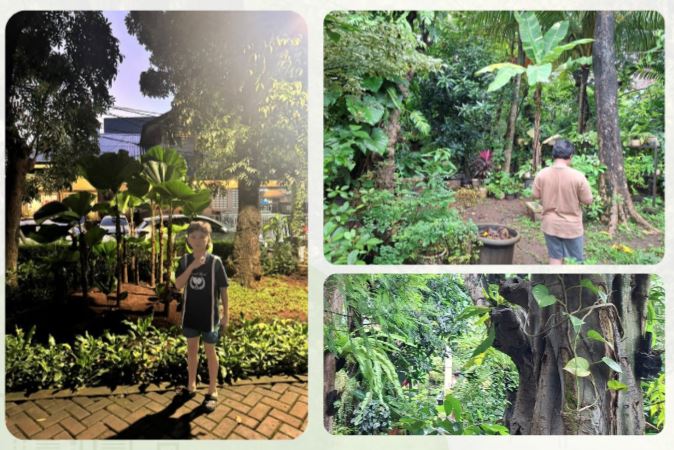
Parks near our home , it will give us big pictures on how biodiversity looks like in green spaces
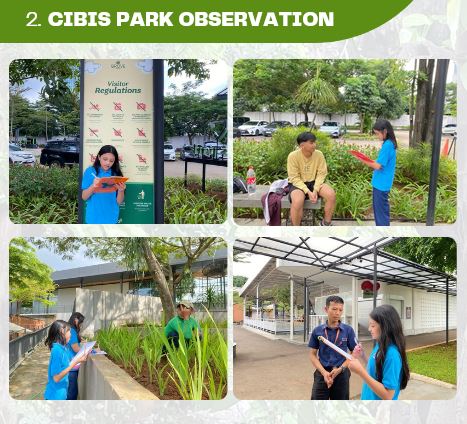
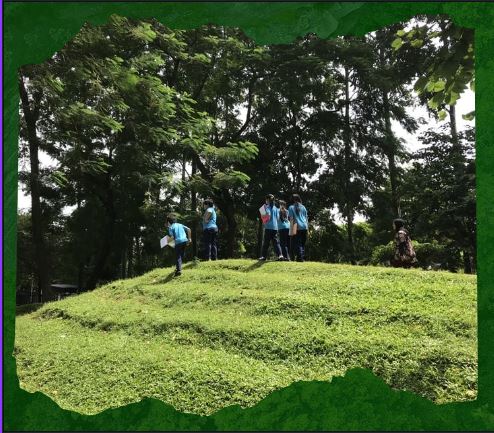
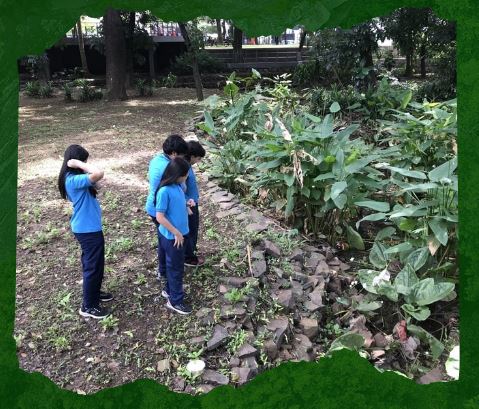
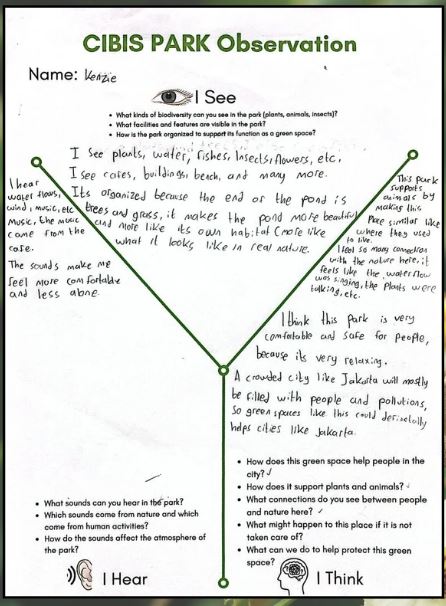
Cibis park observation, as a wider park that provided more complete features, and facilities for urban communities to improve their life quality
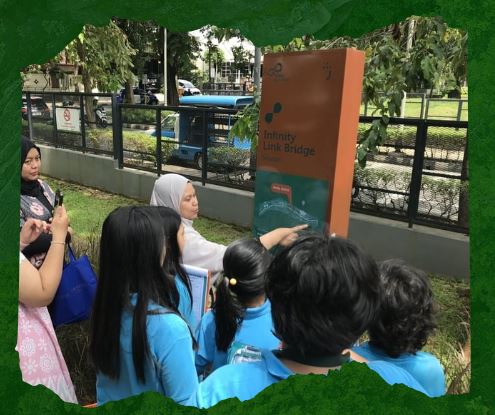
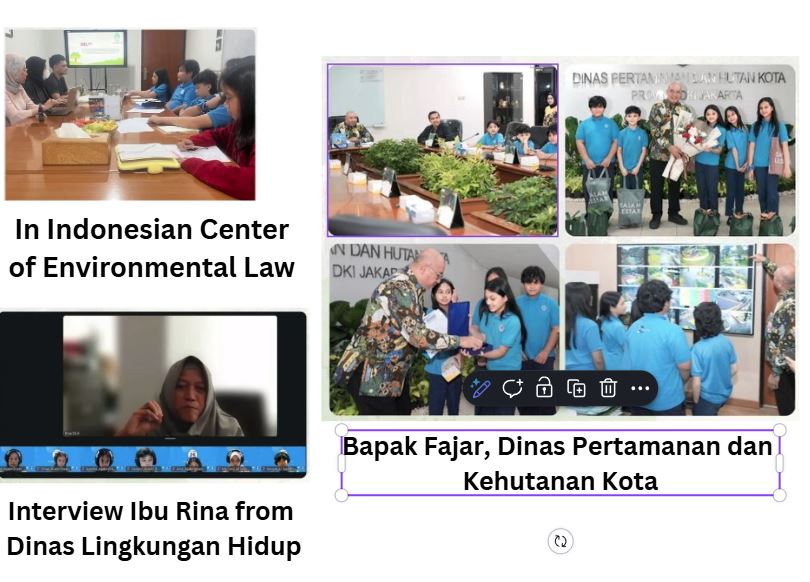
Dinas Pertamanan dan Kehutanan Kota, one of Government representative which its responsible to create and maintain the city park.
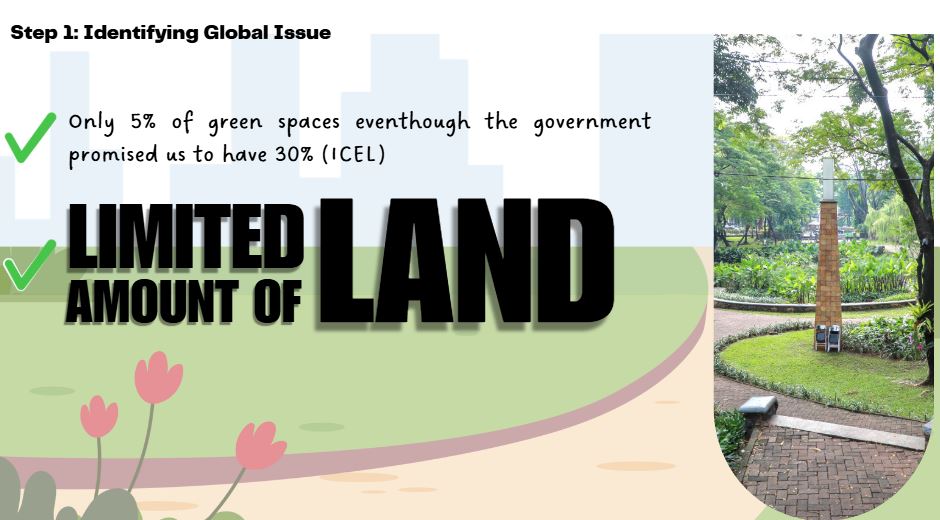
Indonesian Center of Environmental Law (ICEL), supports environmental policy through advice and critique also monitors the number of parks over time
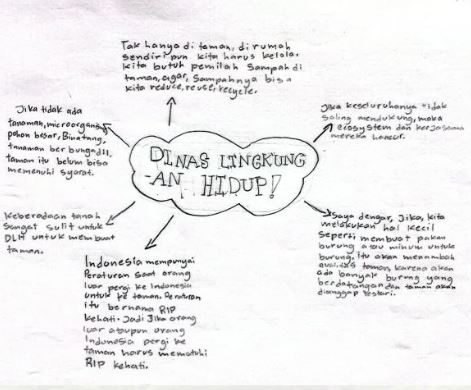
Dinas Lingkungan Hidup, works to maintain biodiversity in Jakarta’s green spaces so it can help to increase quality of urban life.
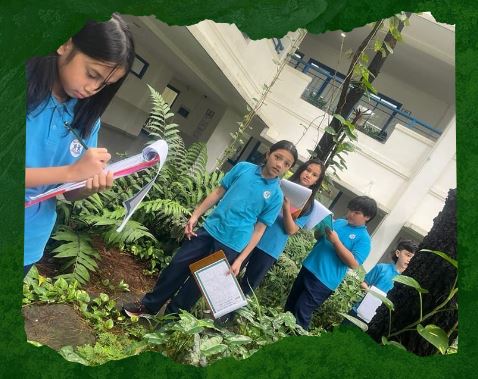
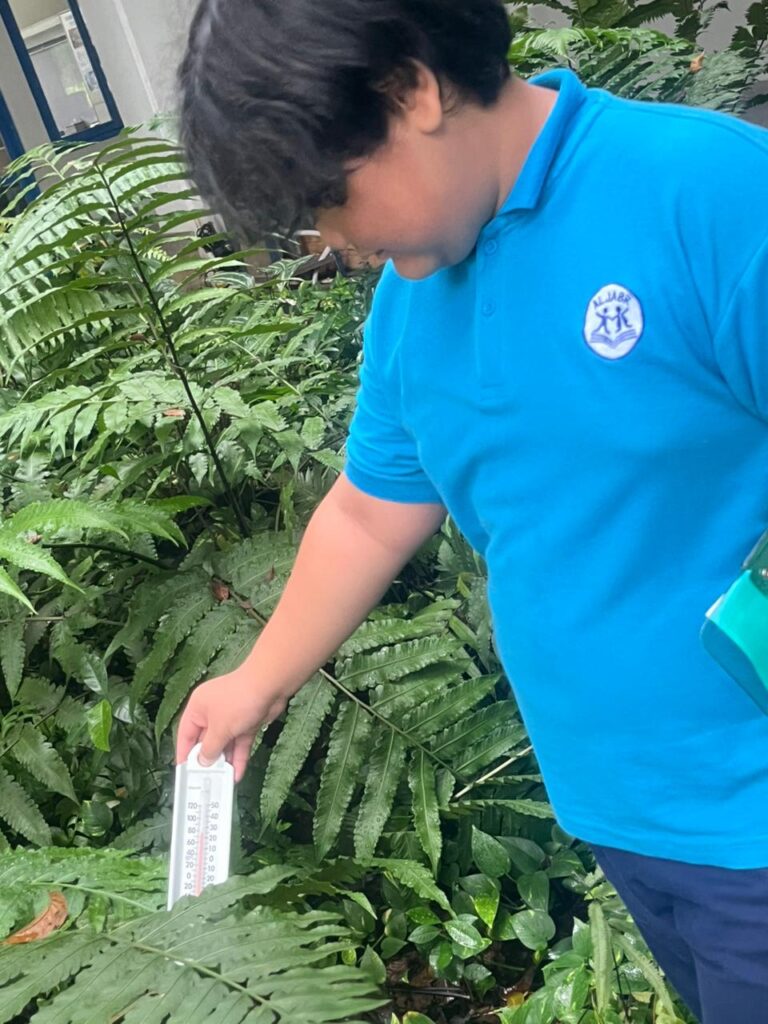
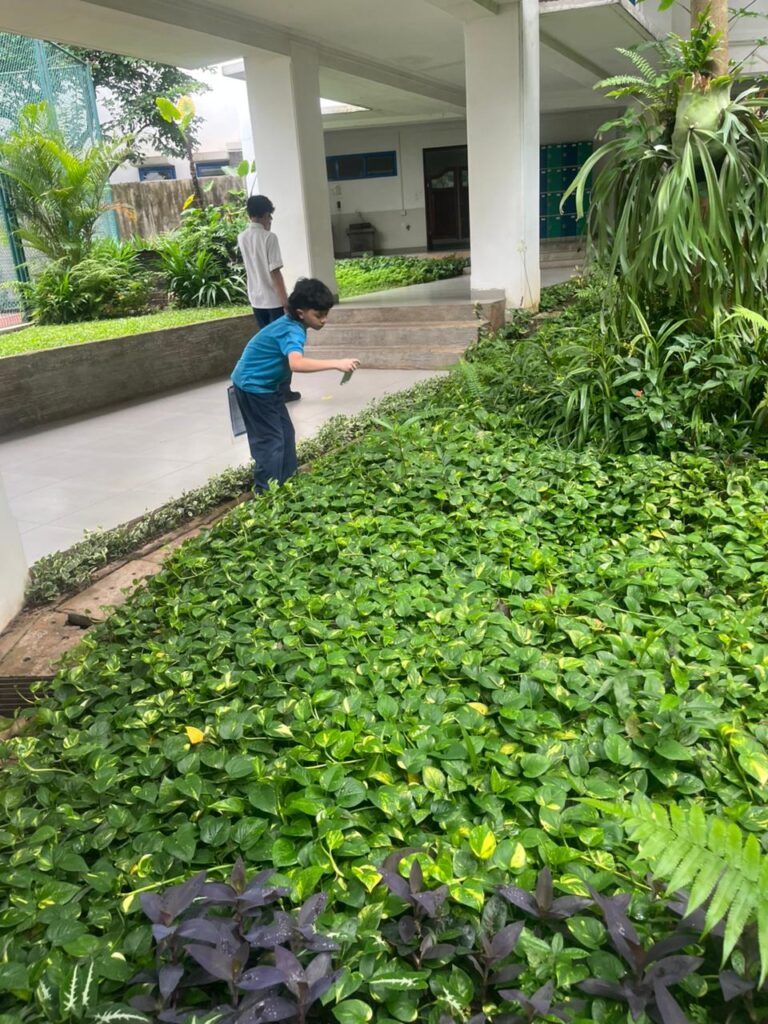
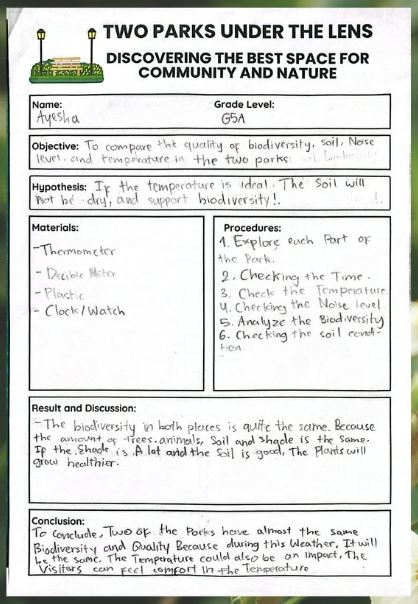
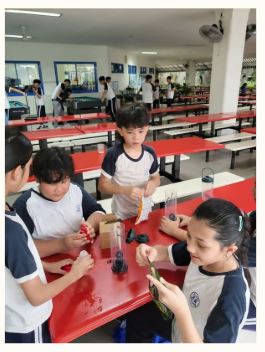
To deepen our investigation and get more accurate data on biodiversity connection to balance of environment, we did a comparison experiment by measuring park’s temperature, soil humidity, various biodiversity, noise level also time between our school mini park and Tebet eco-park.
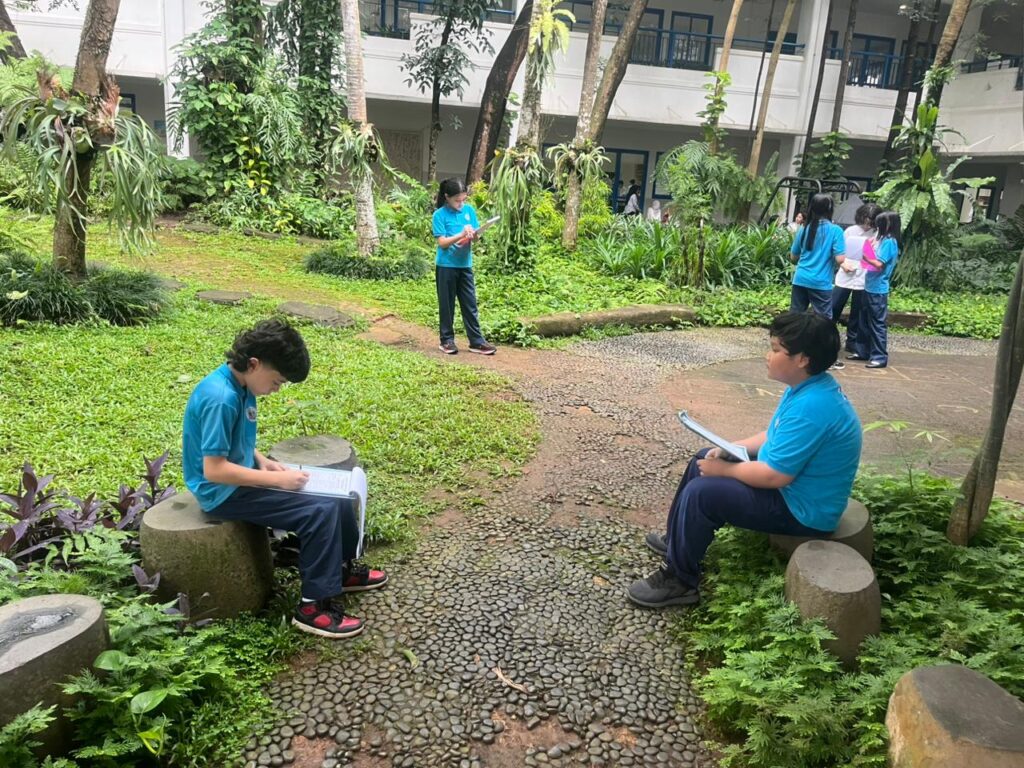
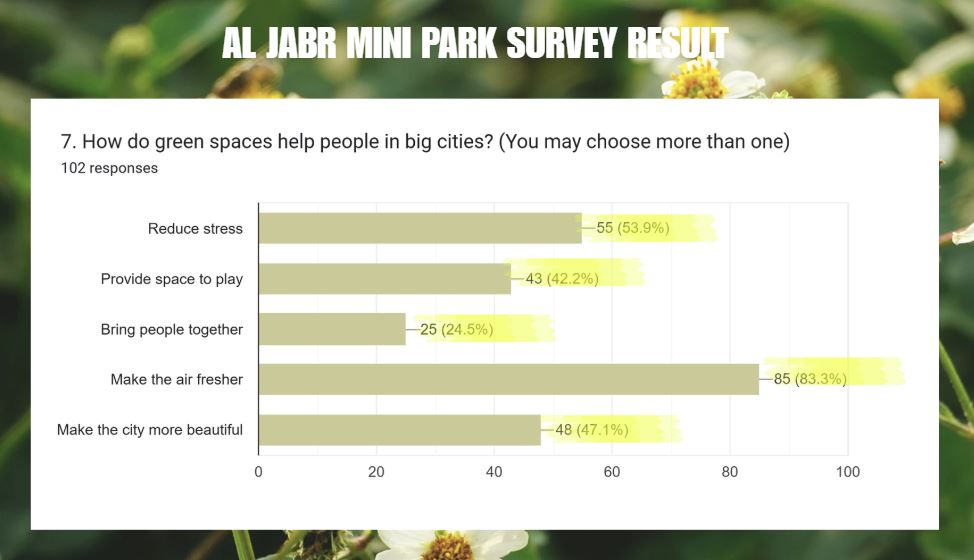
Al Jabr mini park
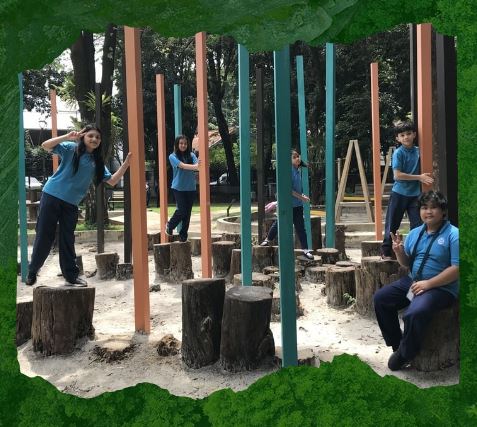
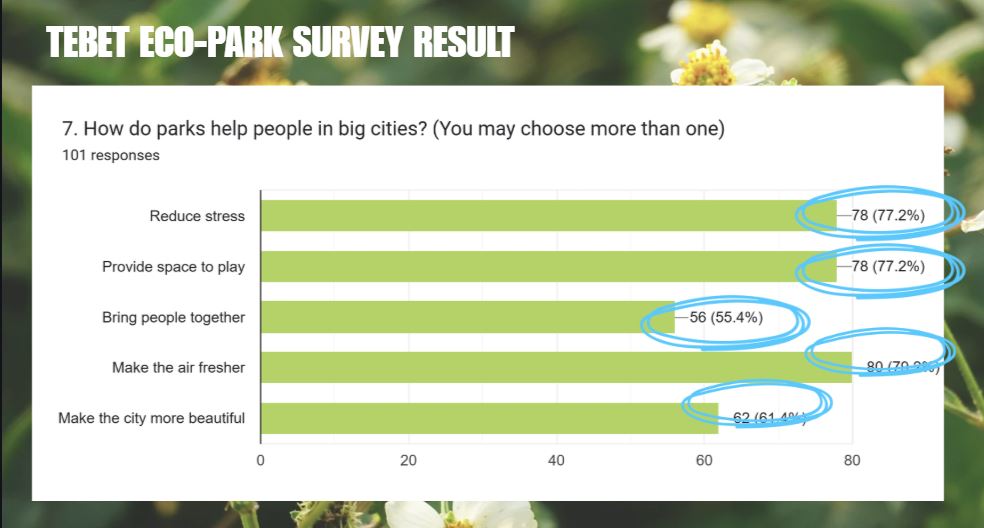
Tebet eco-park
Parks near our home and CIBIS
We realized many people work together to care for green spaces
It requires collaboration, planning, and responsibility from all parks’ visitors
From Cibis, we discovered that people have different needs and perspectives.
We also learned that park design and condition affect how people use and enjoy the space.
Collaborated data from Dinas Pertamanan dan Kehutanan Kota, ICEL and Dinas Lingkungan Hidup
Bapak Fajar obviously informed that Green spaces help prevent disasters and reduce air pollution.
While Ibu Rina from Dinas Lingkungan Hidup explained clearly that plants, insects, and worms are important component in park to balance the ecosystems
Investigation of best green space that fulfill the needs of balance environment and can improve quality of live if it has :
More trees and plantscreate cooler and greener environments
Shade and healthy soilsupport better plant growth
Both parks have similar type of biodiversity and environmental quality
Data of our survey has shown 2 biggest percentage in term of…
1.Relaxation:
Tebet eco-park(73.2%), Mini Jungle (65.7%).
2.Reduce pollution:
Tebet eco-park (97%), Mini Jungle (89.2%)
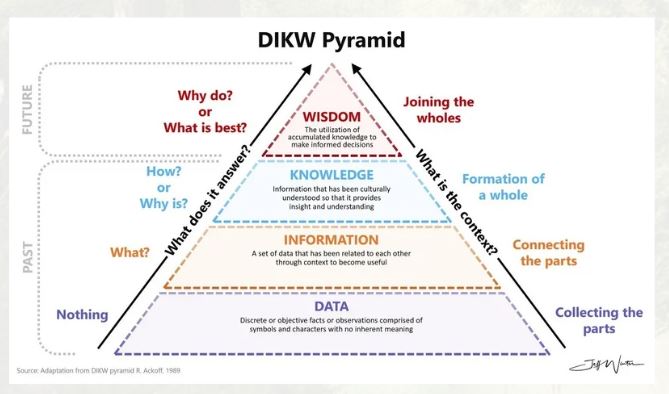
Information from the data implies that
Both parks help people relax and reduce pollution
Similar benefits, with slight
Differences in experience
Most visitors feel air fresher, cooler and tranquility in both green spaces
Knowledge from the survey:
Make the air fresher
Help reduce stress
Make the city more beautiful
Support biodiversity
Strengthen the connection between people, parks, and nature
Wisdom that we learn :
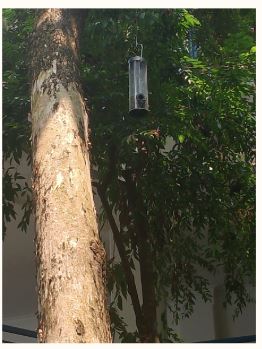
Installing a bird feeder at school
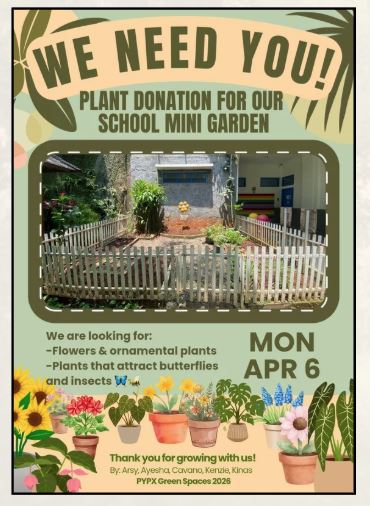
Rebuilding our mini garden
STEP 5 : SHARING THE EXHIBITION
Creating REAL Impact, by
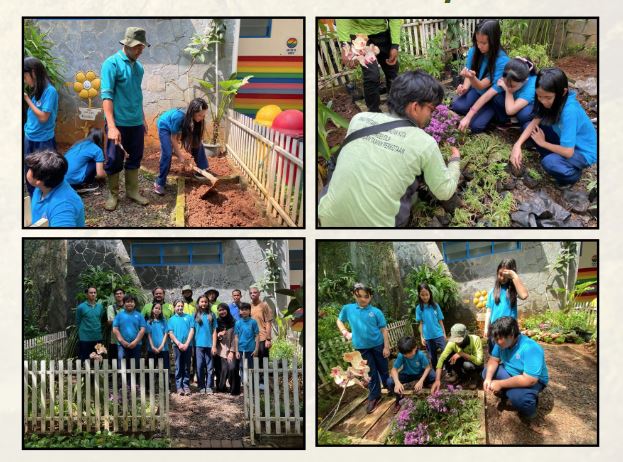
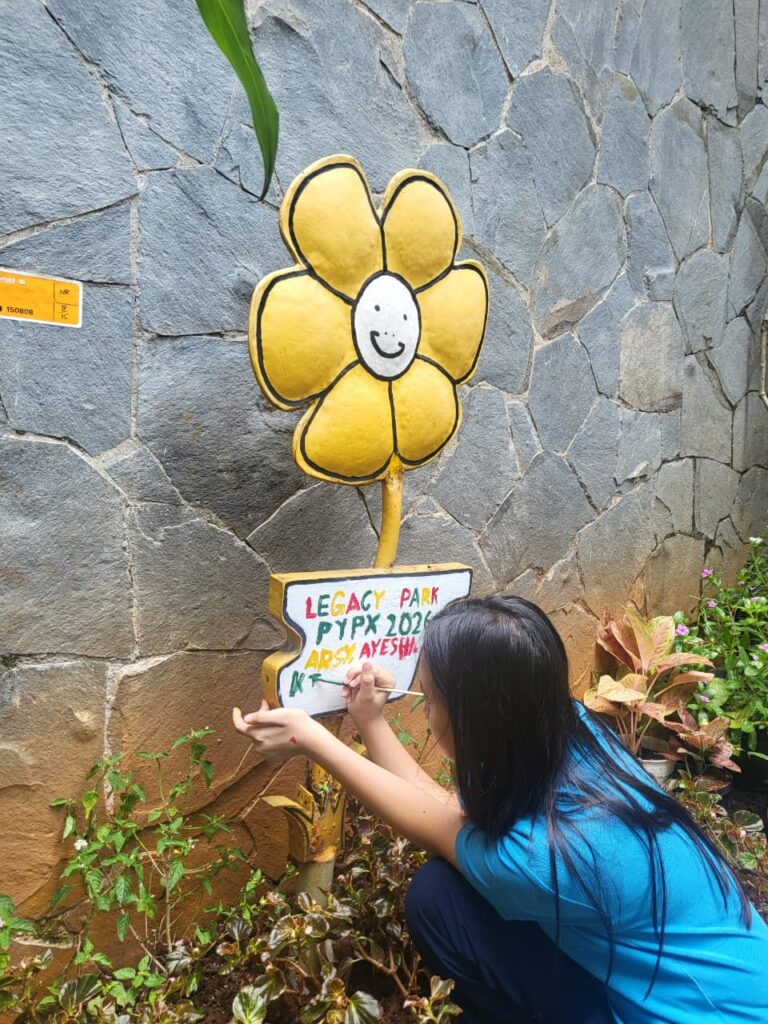
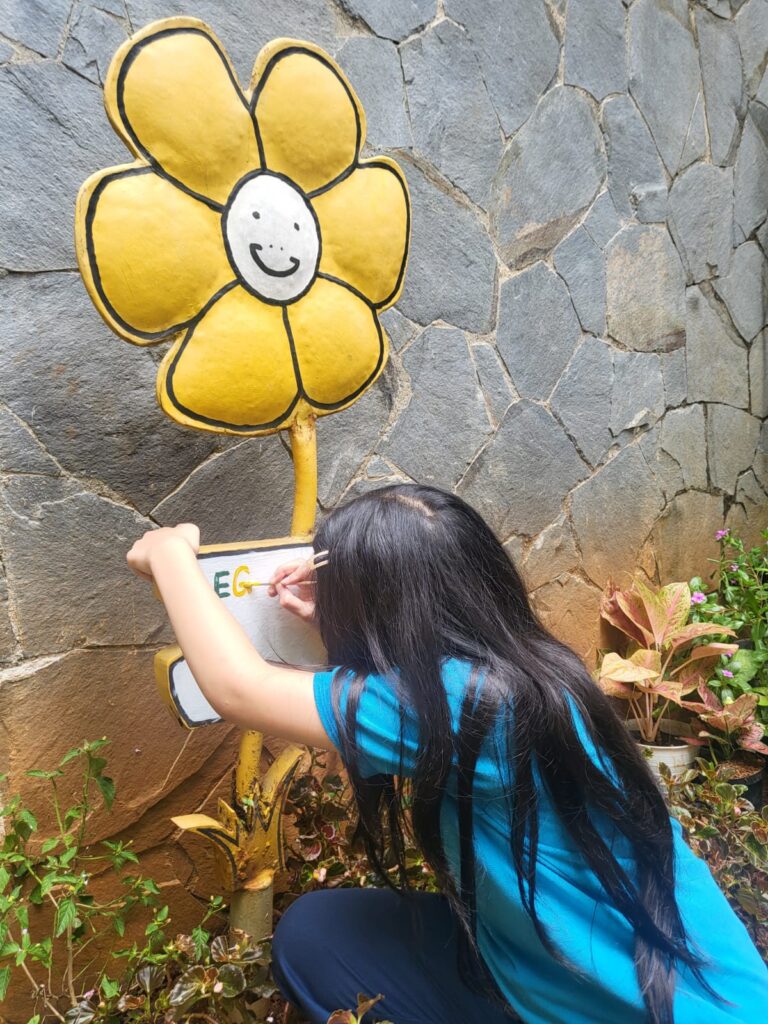
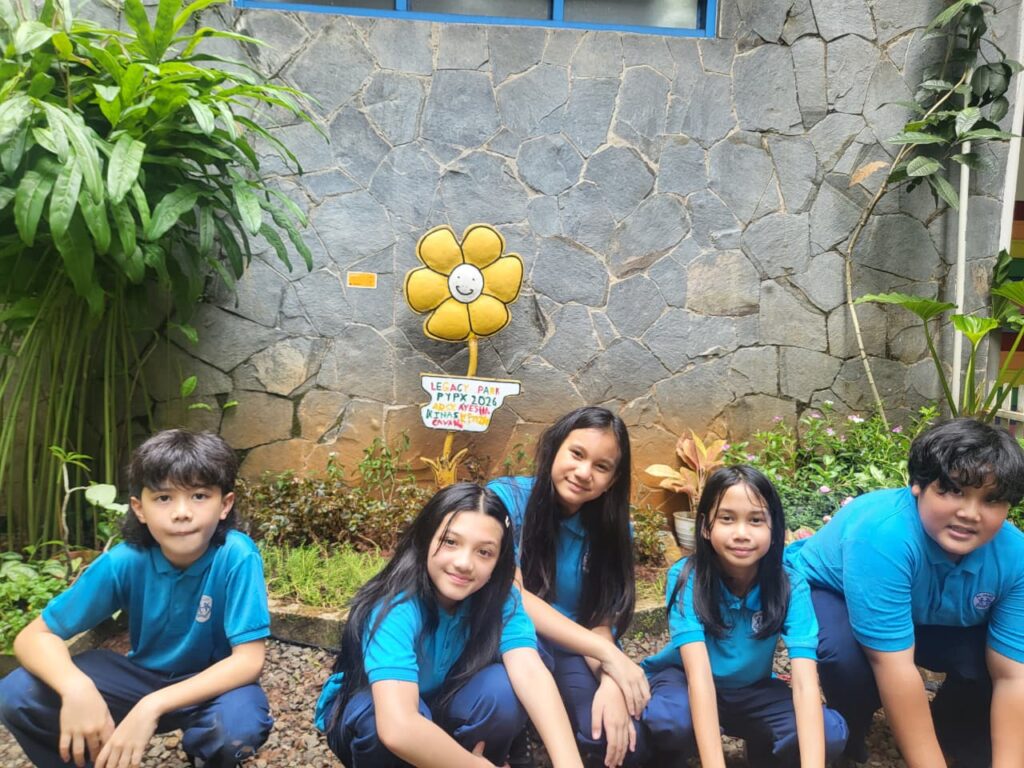
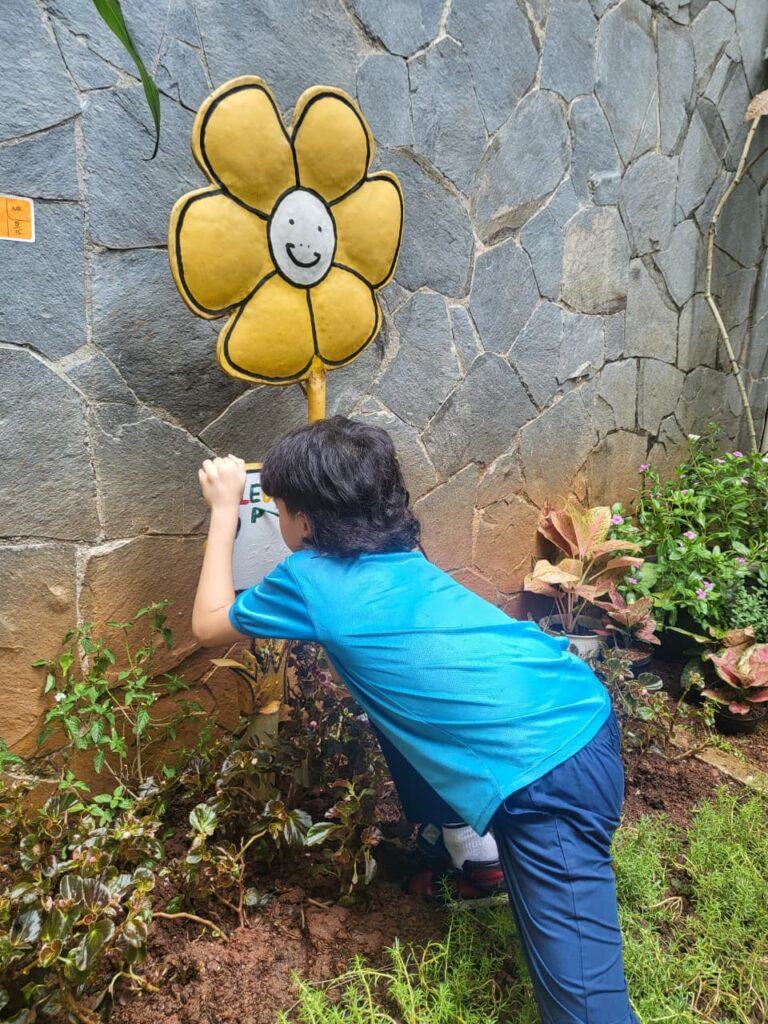
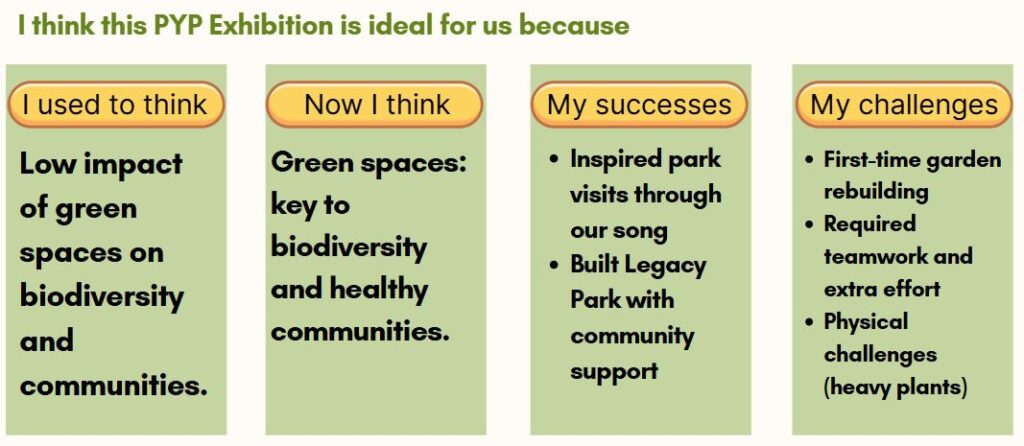
Involved the school community in building the Legacy Park.
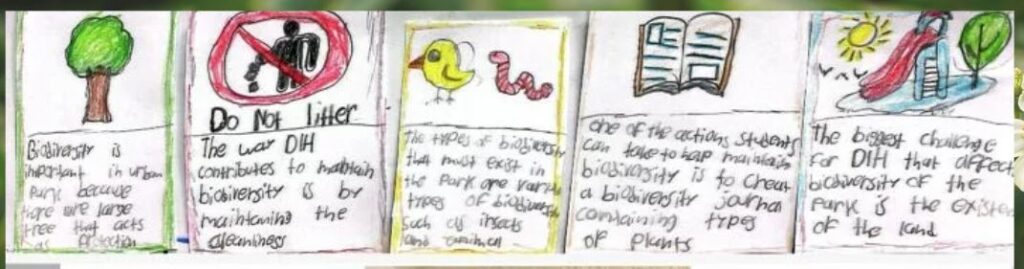
Increased awareness through our biodiversity profile book.
Supported biodiversity by installing a bird feeder.
Inspired others through our song and video
Personal actions
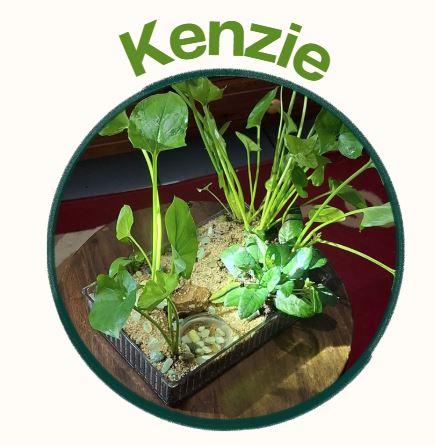
Kenzie made a mini garden to represent a green space.
Cavano created a mini terrarium to show a small ecosystem.
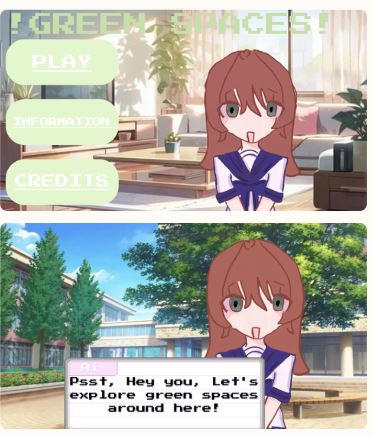
Ayesha designed a game to raise awareness about green spaces.
Arsy created a video to promote park facilities and activities.
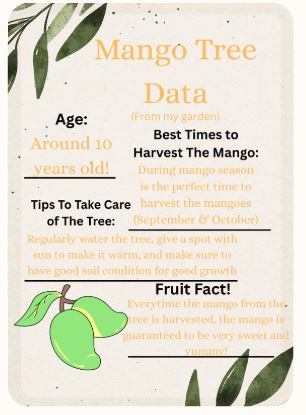
Kinas investigated and documenteda mango tree best time to harvest.
Community of Learners
1.PARTICIPATION
LEGACY PARK
Rebuilt the mini garden to support biodiversity and create a healthier environment for our school community together with DISTAMHUT
2. ADVOCACY
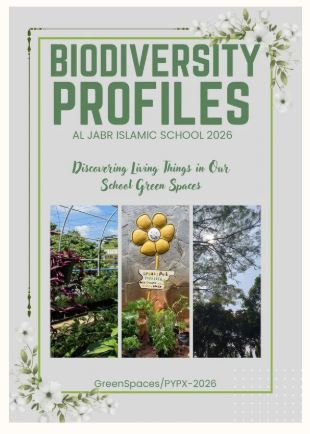
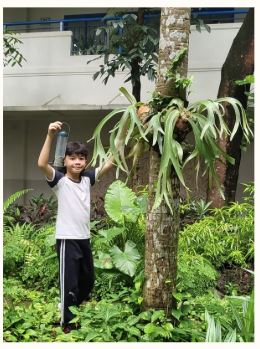
Documenting biodiversity in the mini jungle through photography and compiling it into a biodiversity profile book.
Supporting learning and awareness in the school community by monitoring diversity of biodiversity in school parks.
3. SOCIAL ENTERPRENEURSHIP
Installing a bird feeder in the mini jungle and legacy park to attract birds also butterfly.
Support local biodiversity by planting and attracting common butterfly and birds to pollinate and to prey the pest towards balance of school ecosystem.
4. ADVOCACY
Create a song about the importance of green spaces and their role in supporting biodiversity and urban communities.
We filmed it at Taman Bendera Pusaka to share our message with others.
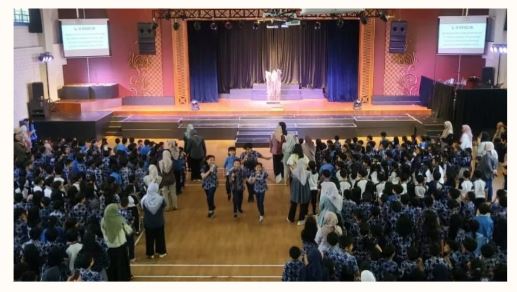
We shared our music video with all Al Jabr PYP students, invited them to sing along, and encouraged them to visit and care for green spaces..
ICEL Team, February 13, 2026, Arsy, Ayesha, Cavano, Kenzie, Kinas
DLH Team, Dinas Lingkungan Hidup Daerah Provinsi DKI Jakarta Bidang Tata Lingkungan Subkelompok Pemeliharaan Lingkungan, March 2, 2026, Arsy, Ayesha, Cavano, Kenzie, Kinas
World Health Organization. (2016). Urban green spaces and health: A review of evidence.
United Nations Environment Programme. (2020). Green spaces and biodiversity in cities.
Food and Agriculture Organization. (2018). Urban forests and biodiversity.
National Geographic Society. (n.d.). Biodiversity and ecosystems.
World Wildlife Fund. (n.d.). Why biodiversity matters.