




Gadgets as Babysitters

Members

Akhtar

Akeyla

Renjiro

Schatzi

Altair

Mentors

Ms. Winda

Ms. Tari

Ms. Risna

Ms. Riri

Ms. Amanda

Step 1: Identifying Global Issue

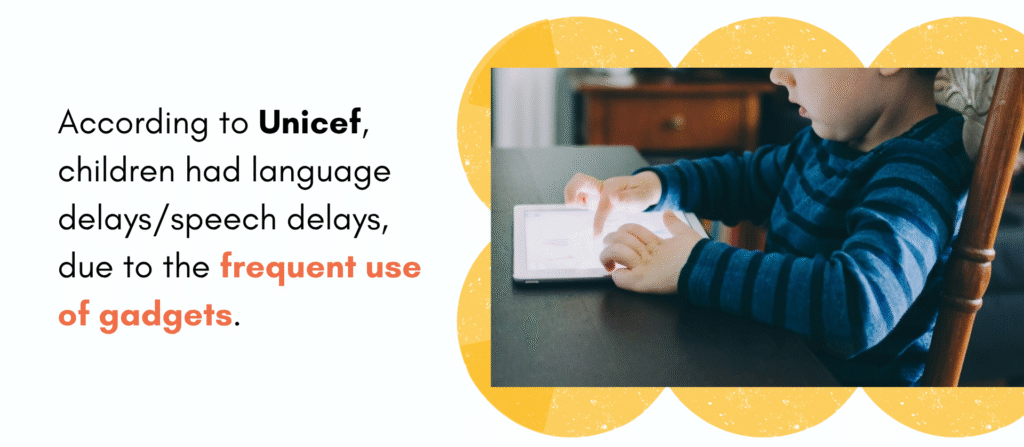
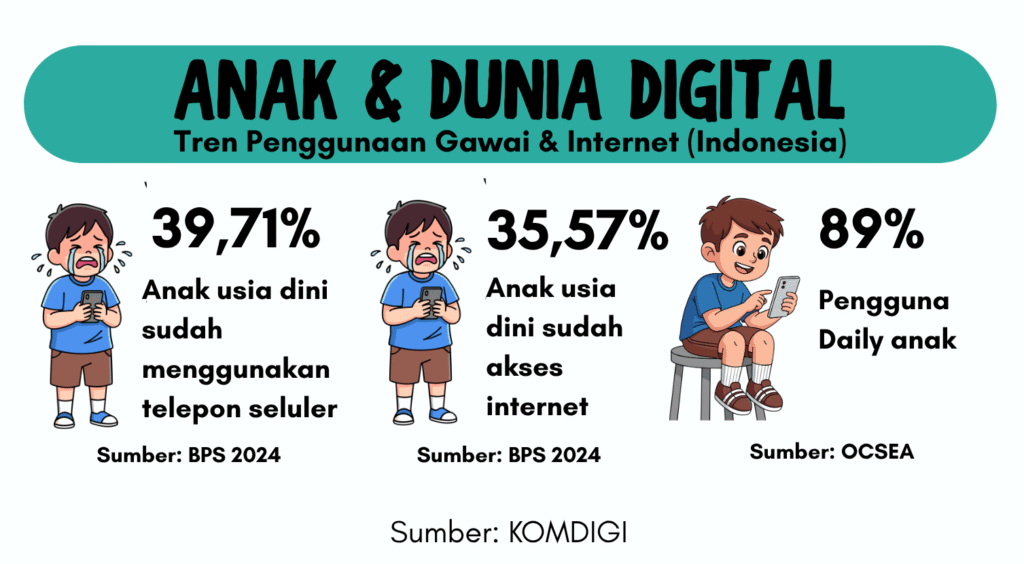
The increasing use of gadgets among young children has become a global concern, as highlighted by UNICEF and supported by recent data from KOMDIGI. Early and frequent exposure to screens, especially when it replaces meaningful interaction, can negatively impact children’s language development and overall growth. This shows that gadget overuse is not just a local issue, but a widespread challenge that requires greater awareness and responsible use from both parents and educators.

What is gadget Babysitting?

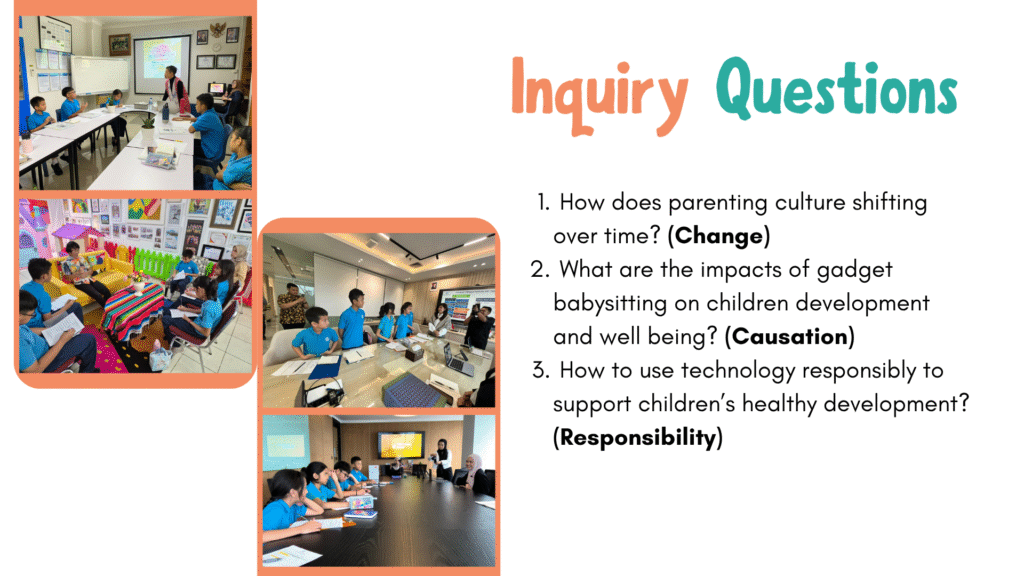
  1. How is parenting cultures shifting over time. (Change)
  2. Ways to use technology responsibly to support children’s healthy development. (Responsibility)
  3. The impact of gadget babysitting on children’s development and well-being. (Causation)
 
  1. Describe the evolving systems and technologies from past civilization in present times.
  2. Analyze the positive and negative impact on technology has on our views of the world. 
  3. Consider the possible Volatility, Uncertainty, Complexity, and Ambiguity (VUCA) of an action, and take steps to mitigate.
  1. Change
  2. Causation
  3. Responsibility
  1. Modernity
  2. Uncertainty
  3. Active Hope

Learning Continuum

Grade 1

Who We Are

Healthy Lifestyle

Grade 3

How We Organize Ourselves

The impacts of technology

Grade 5

How the World Works

How technology changes overtime

Quran Verse

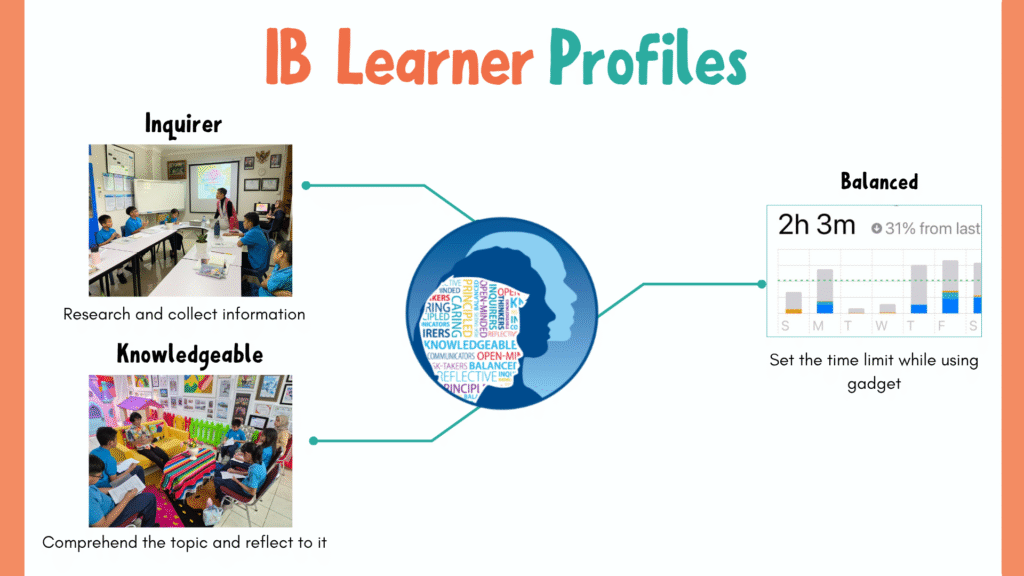
IB Learner Profiles

This step highlights how we grow together through the IB Learner Profile, developing not only knowledge but also character and lifelong learning habits. 
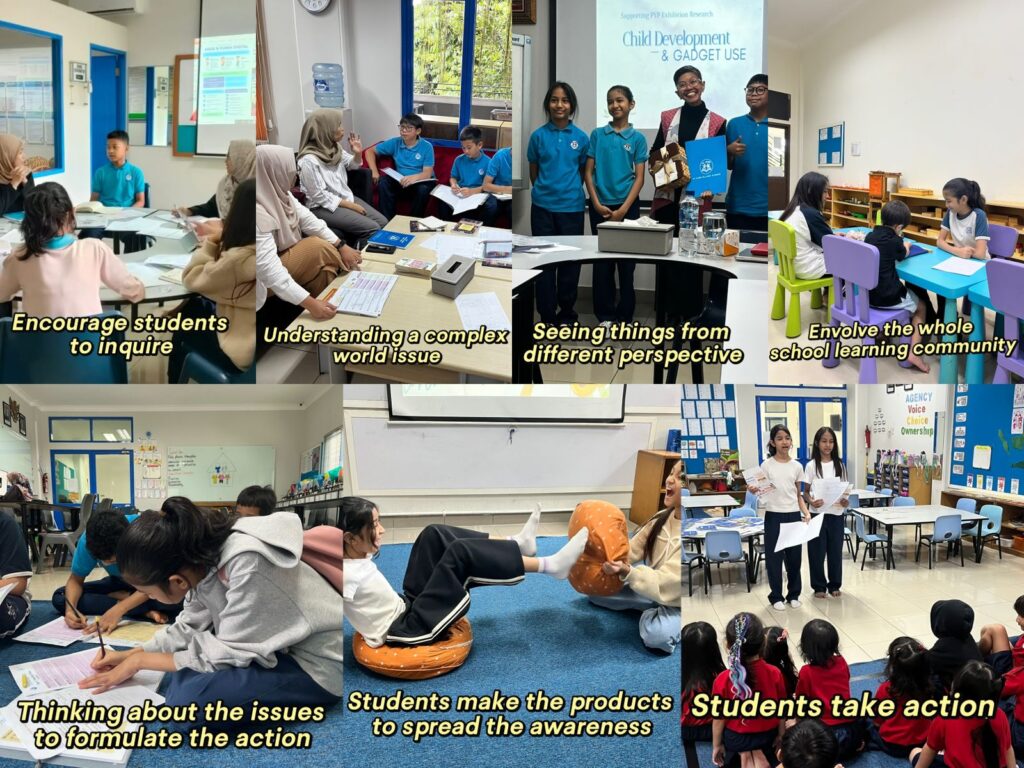
As Inquirers, we actively explore the world around us. We ask meaningful questions, conduct research, and collect information through hands-on experiences and collaborative discussions. Learning becomes a journey of curiosity and discovery, where we take ownership of our understanding. As Knowledgeable learners, we deepen our comprehension by connecting ideas and reflecting on what we have learned. We don’t just receive information—we make meaning of it, relate it to real-life contexts, and build a strong foundation across different areas of learning. Being Balanced reminds us to take care of different aspects of our lives, including our learning habits and well-being. In today’s digital world, we practice setting healthy boundaries, such as managing our screen time, so that technology supports our growth without overwhelming it. Together, these attributes guide us in becoming thoughtful, independent, and responsible learners—ready to face challenges and make meaningful contributions to the world around us.

To start our exhibition process, we formulated the questions and the lessons we want to explore. They are:

Step 2: Determining the Frame

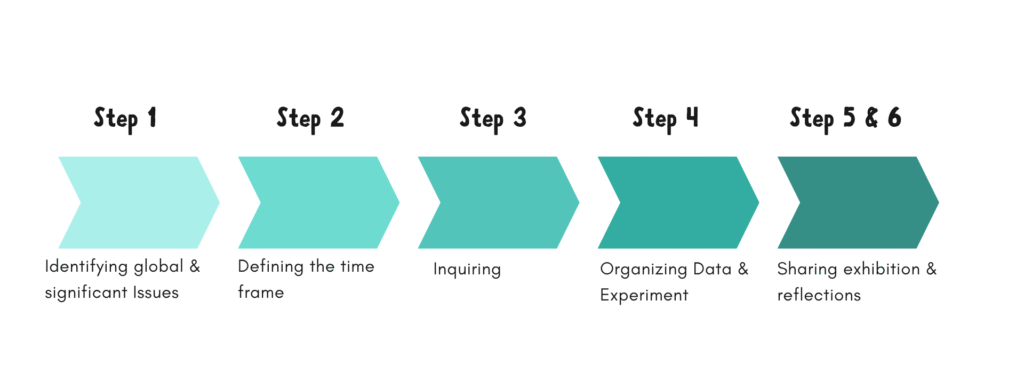
The exhibition process has 6 steps and take 4 months from January until April 2026. We start by identifying the significant issues and complete it by sharing the exhibition through action, panel session and staging.

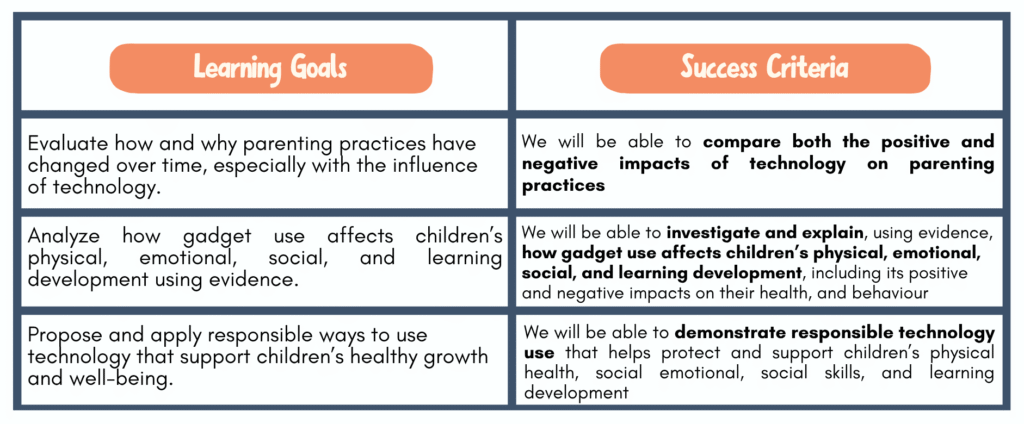
Set Learning Goals and Success Criteria

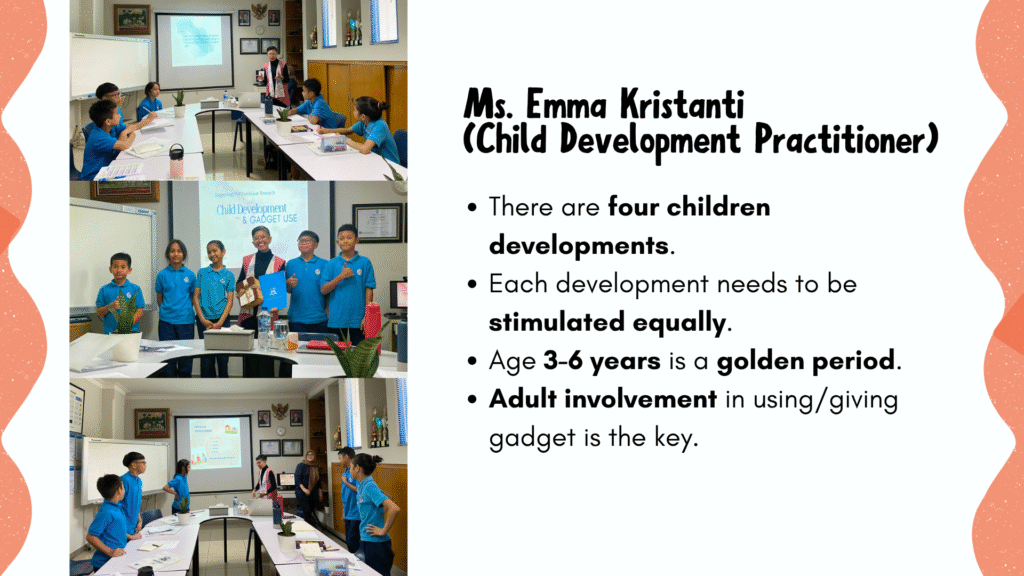
Step 3: Engaging Support From Learning Community

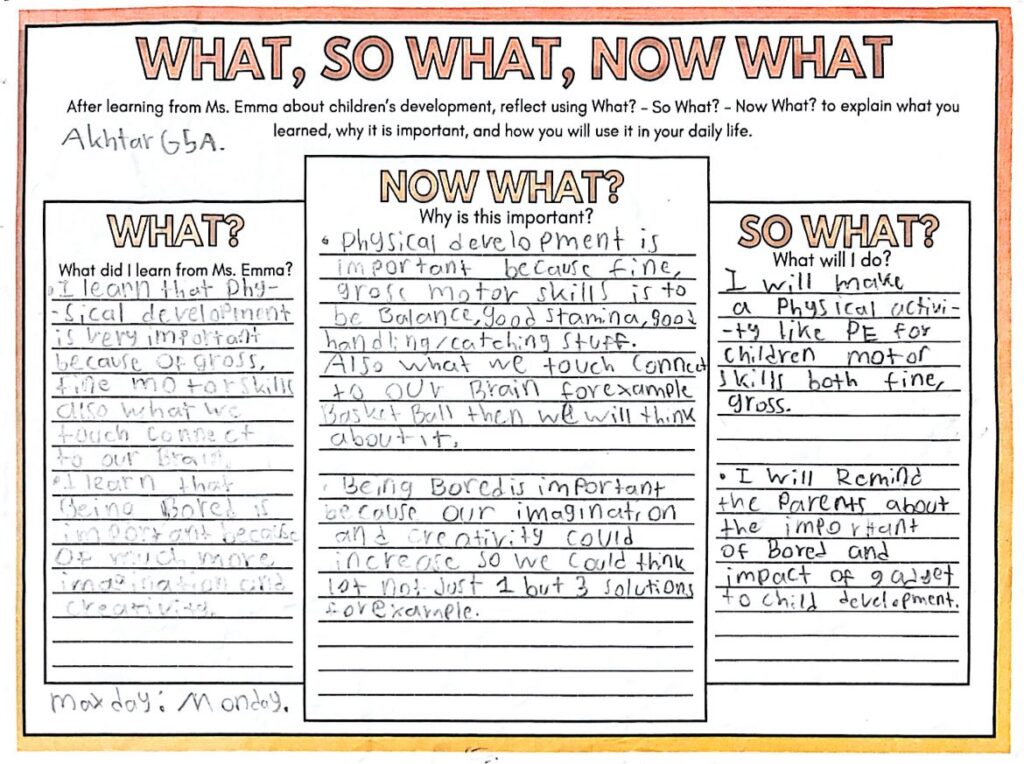
Through this session, we learned that there are four key areas of child development, and each one needs to be stimulated in a balanced way. Most importantly, we reflected on the role we play as a community. We understand that adult involvement is essential, especially in guiding children’s use of gadgets. By working together—students, teachers, and experts—we become more aware, informed, and responsible in supporting children’s holistic development.


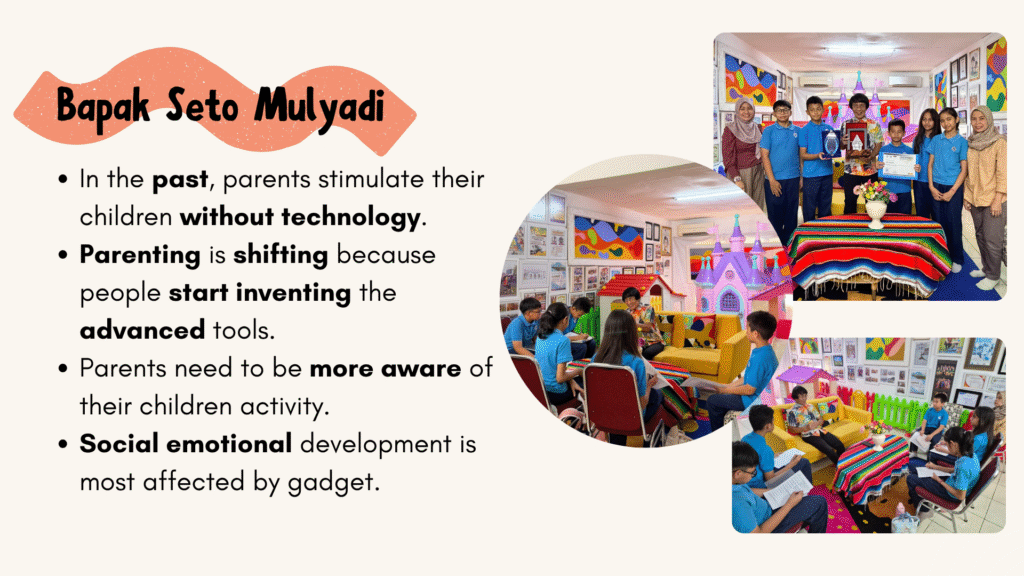
This session highlights how we continue to learn from our wider community by engaging with experts such as Bapak Seto Mulyadi—Indonesian child psychologist. Through his insights, we reflected on how parenting has evolved over time alongside the development of technology. We learned that in the past, parents naturally stimulated their children’s growth through direct interaction, play, and real-life experiences—without the presence of digital devices. Today, as technology becomes more advanced and accessible, parenting approaches are also shifting. This reminds us that we need to be more aware and intentional in guiding children’s daily activities.

One key takeaway for us is the impact of gadgets on children’s social-emotional development. We understand that without proper guidance, excessive gadget use can affect how children express emotions, build relationships, and interact with others. Through this session, we grow more conscious of our role as a learning community. Together, we commit to supporting children not only academically, but also in developing strong social and emotional skills in a balanced, mindful way.

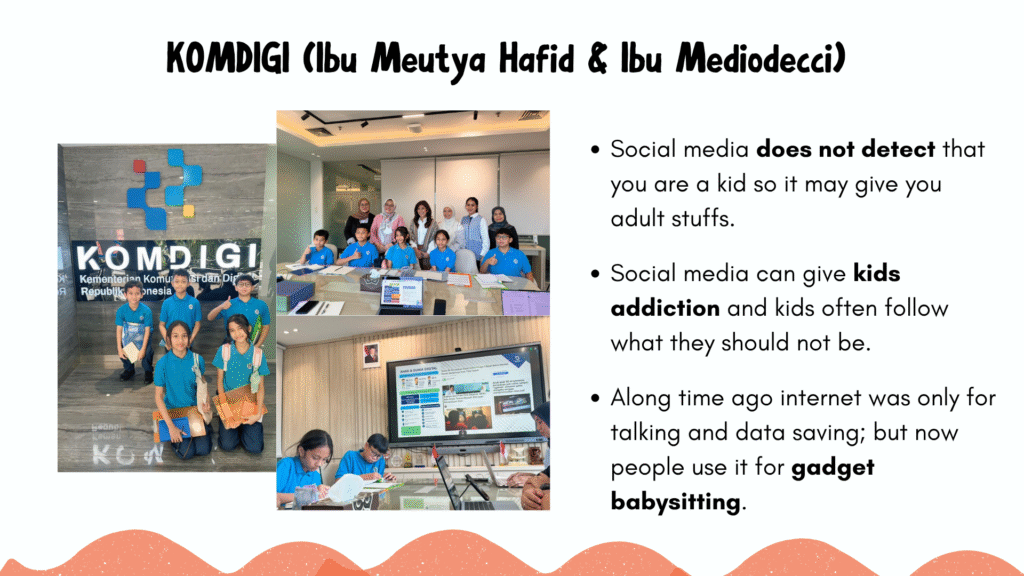
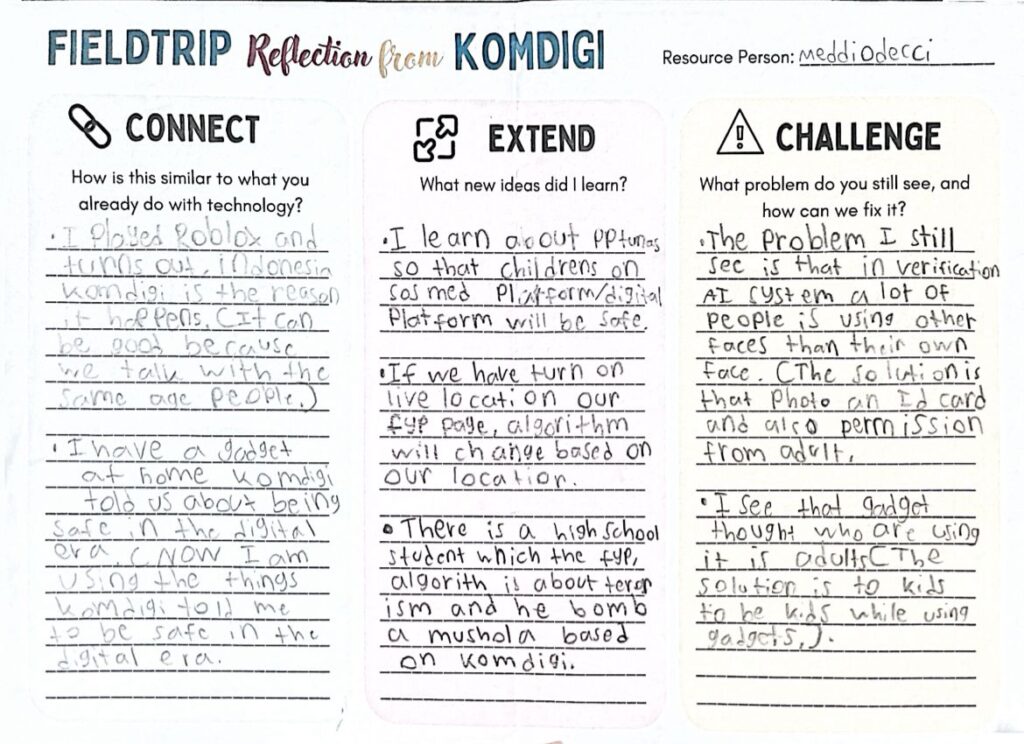
This session highlights how we continue to grow by learning from experts in our community, including representatives from KOMDIGI such as Ibu Meutya Hafid and Ibu Mediodecci. Through their insights, we explored the realities of children’s digital experiences in today’s world. We learned that social media platforms do not automatically recognize whether a user is a child or an adult. As a result, children may be exposed to content that is not appropriate for their age. This reminds us of the importance of guidance and supervision when children access digital platforms.

We also reflected on how social media can influence children’s behavior. Without proper awareness, it can lead to overuse or even addiction, and children may imitate actions or trends that are not suitable for them. Another important insight is how the role of the internet has changed over time. In the past, it was mainly used for communication and storing information. Today, it is often used as a “digital babysitter,” replacing meaningful interactions. This shift encourages us to rethink how we use technology in supporting children’s development. Through this session, we become more aware and responsible as a learning community. We understand that guiding children in the digital age is not about avoiding technology, but about using it wisely while continuing to prioritize their social and emotional well-being.

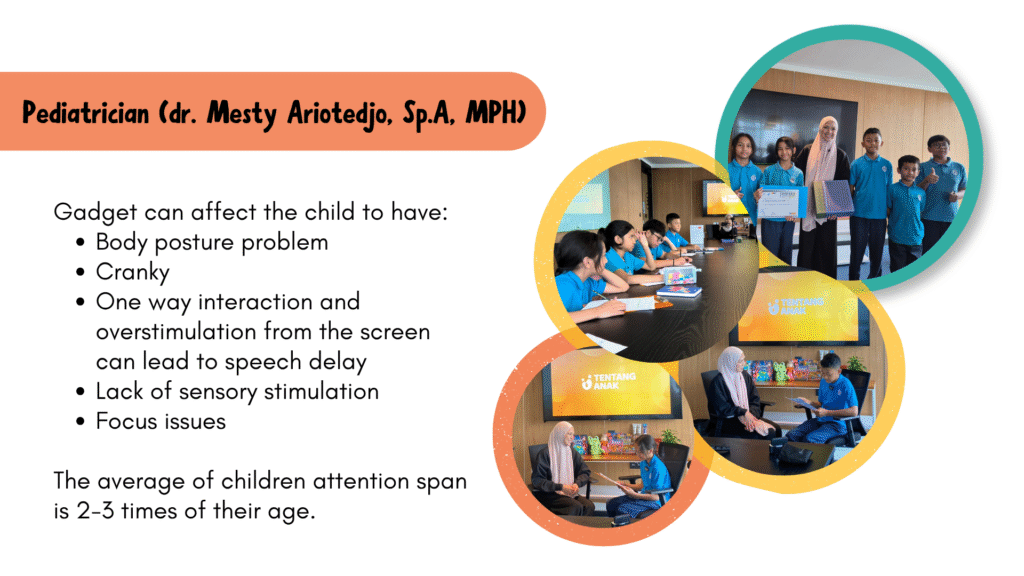
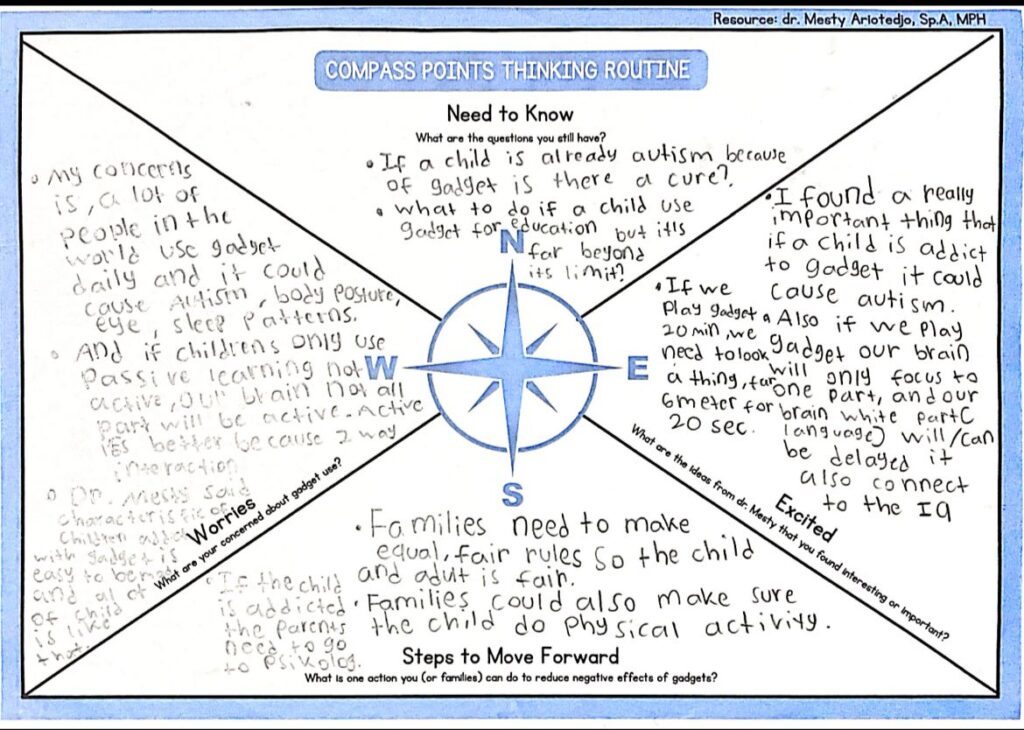
This session highlights how we deepen our understanding of children’s well-being by learning from medical experts such as Dr. Mesty Ariotedjo. Through her insights, we explored how gadget use can directly impact children’s physical, cognitive, and developmental health. 

We learned that excessive gadget use may affect children’s
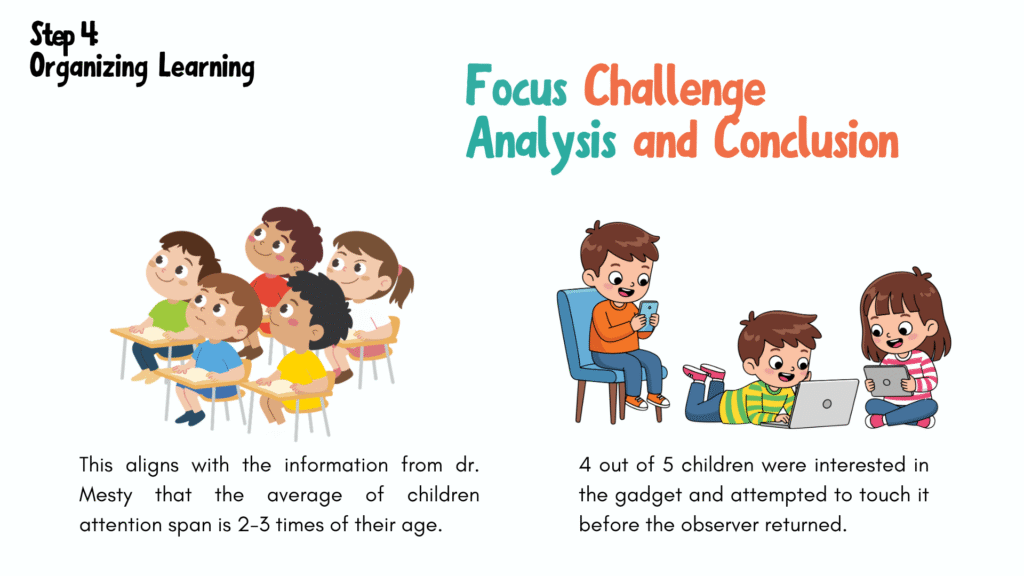
body posture, as long screen time often limits movement and encourages unhealthy sitting habits. It can also influence children’s emotions, making them more easily cranky due to overstimulation and reduced real-life interaction. From a developmental perspective, we reflected on how one-way interaction from screens—where children only receive input without actively responding—can contribute to speech delays. In addition, limited hands-on experiences may lead to a lack of sensory stimulation, which is essential for young children to explore and understand their environment. We also discovered that overexposure to screens can impact children’s focus and attention span. As a guideline, a child’s average attention span is typically around 2–3 times their age, reminding us to set realistic expectations and provide learning experiences that match their developmental stage. 

Through this session, we become more mindful as a learning community. We recognize that while technology is part of modern life, it must be balanced with meaningful interaction, active play, and rich sensory experiences to support children’s holistic growth.

Step 4: Organizing Learning

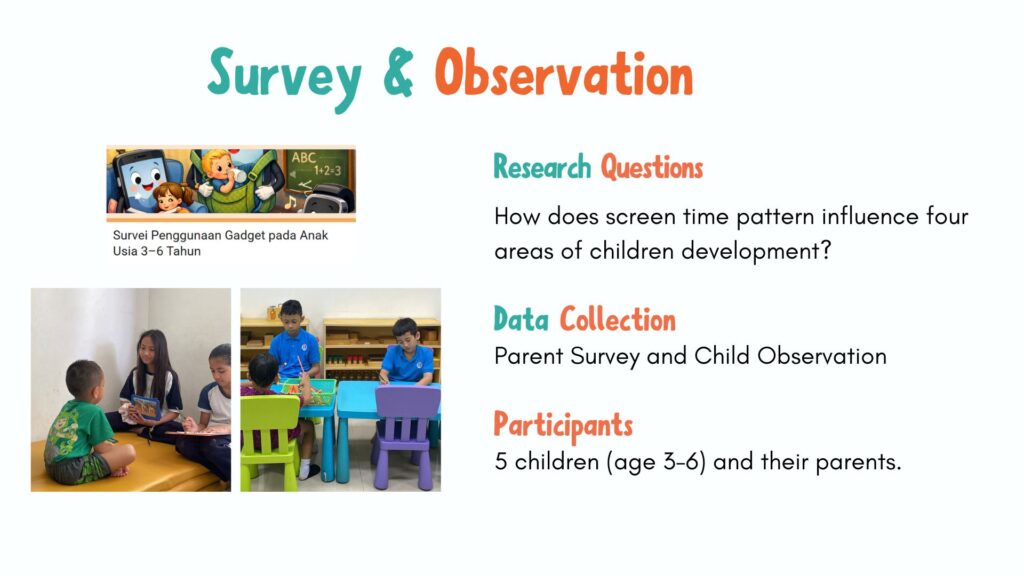
This section highlights how we conducted our survey and observation to better understand children’s screen time habits. Our research focused on the question: How does screen time pattern influence the four areas of children’s development?

To gather meaningful data, we combined parent surveys with direct observations of children, allowing us to see both perspectives—at home and in real-life interactions. The study involved 5 children aged 3–6 years and their parents, providing insights into early childhood experiences during this important developmental stage. Through this process, we strengthened our inquiry by collecting real evidence, helping us make more informed and thoughtful conclusions about the impact of gadget use on young children.

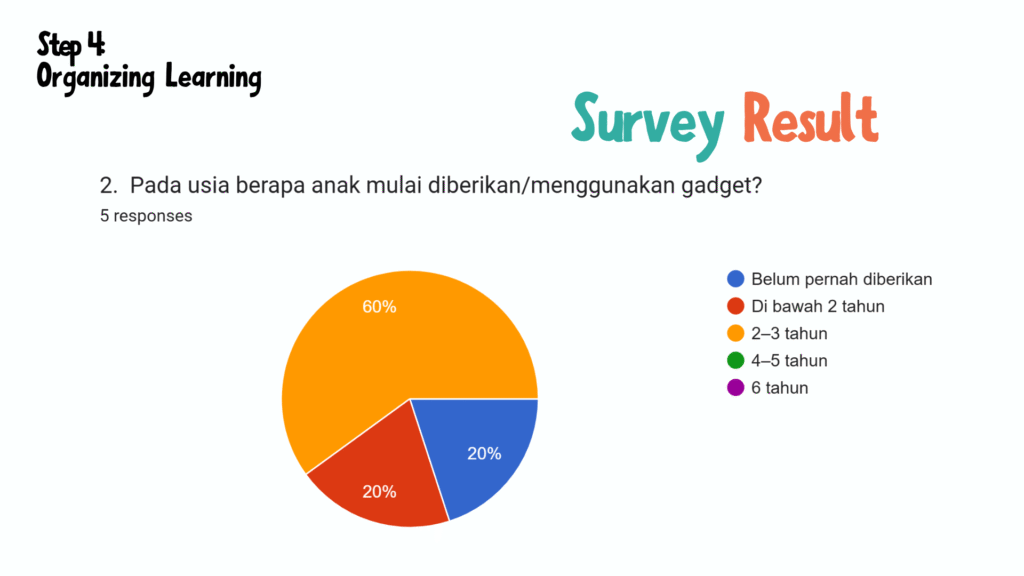
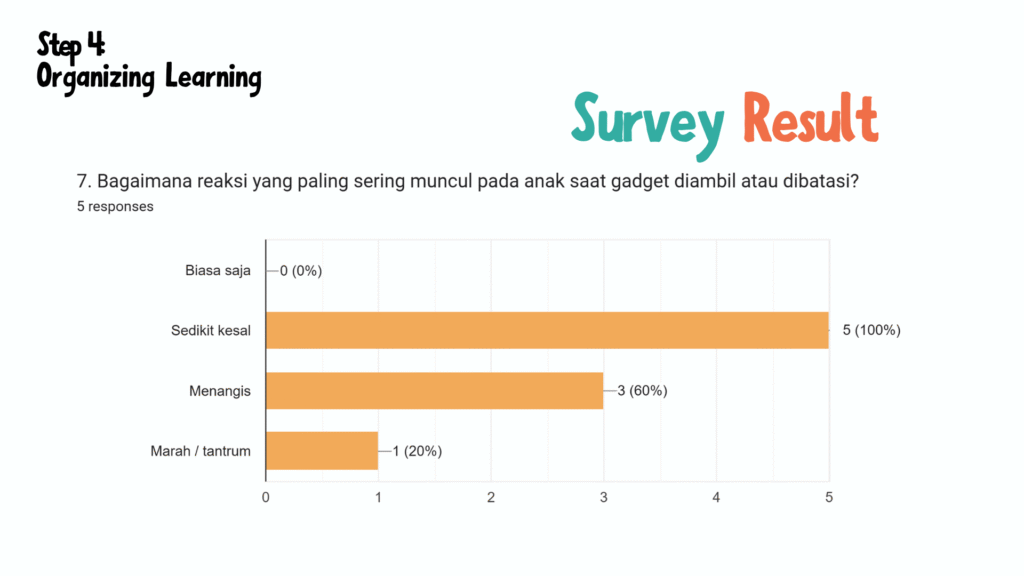
This presents the survey results that shows us children’s early exposure to gadgets and their reactions to screen time limits.

From our findings, we discovered that most children are introduced to gadgets at a very young age. 60% of children began using gadgets at ages 2–3, while 20% started even earlier (below 2 years old), and another 20% have not yet been introduced. This shows how early technology becomes part of children’s daily lives. We also explored how children respond when their gadget use is limited or taken away. The results show that all children (100%) tend to feel upset, with 60% crying and 20% showing tantrums, while none responded neutrally. This highlights how strong children’s emotional attachment to gadgets can be.

Through these results, we gain a clearer picture of both the early introduction of gadgets and their impact on children’s emotional responses. This helps us reflect on the importance of setting healthy boundaries and guiding children in developing balanced technology habits.

Analysis & Conclusion

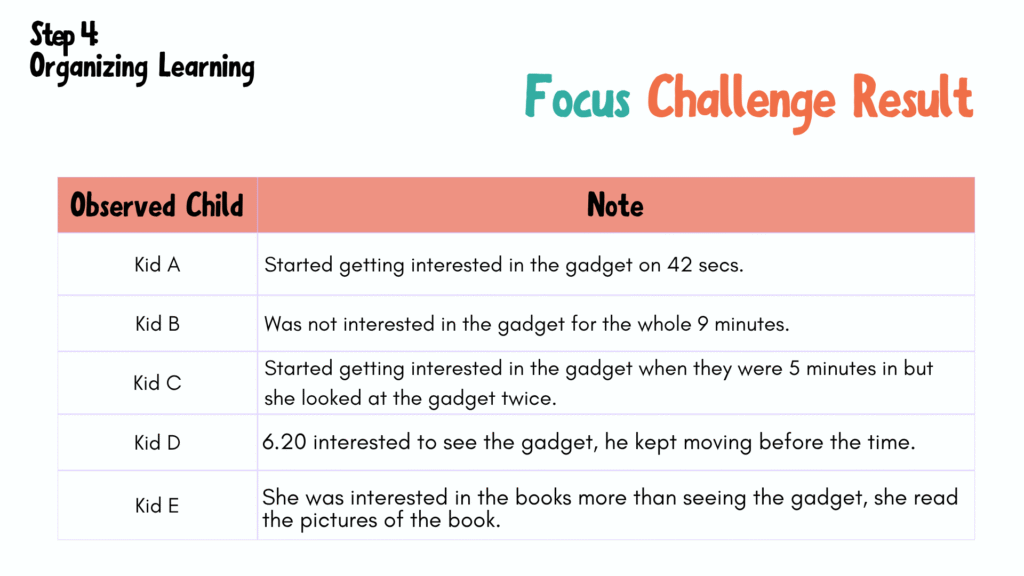
We found that 4 out of 5 children were drawn to the gadget and attempted to interact with it before the observer returned. This supports what we learned from Mesty Ariotedjo, that children’s attention span is naturally limited—around 2–3 times their age—and can be easily influenced by stimulating objects like gadgets.

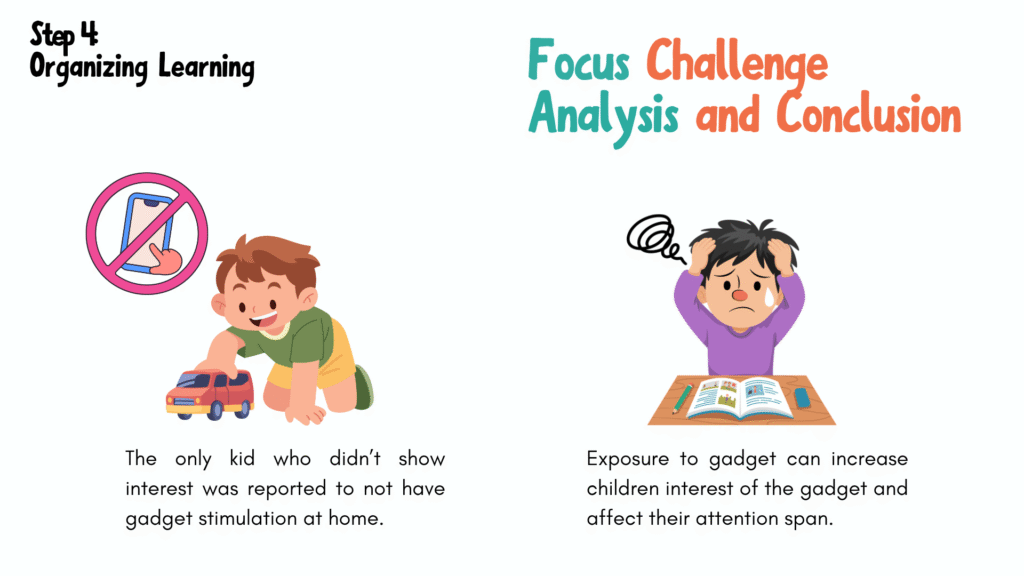
Interestingly, the only child who did not show interest in the gadget was reported to have minimal exposure to gadgets at home. This suggests that children’s habits and preferences are strongly shaped by their daily environment and routines.

From this, we conclude that frequent exposure to gadgets can increase children’s attraction to screens, which may affect their ability to stay focused on other activities. This reinforces the importance of guiding children’s screen time and providing balanced experiences that support their attention, learning, and overall development.

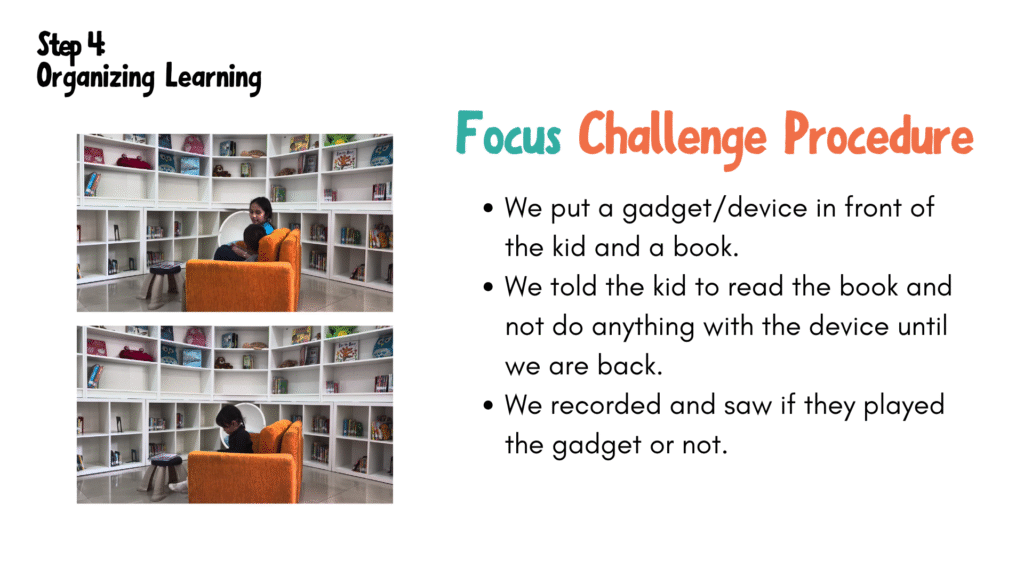
This section presents our Focus Challenge, where we explored how children manage their attention when exposed to both a gadget and a book. In this activity, we placed a device and a book in front of each child. We asked them to focus on reading the book and not use the gadget while we stepped away. During this time, we observed and recorded whether they stayed focused or became interested in the device. Through this challenge, we can see how gadgets can easily capture children’s attention, but also how some children are still able to maintain focus on non-digital activities. This helps us better understand the importance of guiding children in building concentration and balancing their interaction with technology.

Step 5: Monitoring the Exhibition

This is the step where we continuously reflect on our learning journey and take meaningful action.

In Explore & Prepare, we revisited our research, strengthened our understanding, and refined our ideas. We ensured that our information was accurate, relevant, and clearly communicated, while also preparing our materials and strategies for sharing with others.

In Relate & Act, we connected our learning to real-life situations and began taking action. We applied what we had learned by making changes in our own habits—such as reducing screen time—and creating initiatives like books, posters, videos, and social media campaigns to raise awareness about gadget use.

In Evaluate & Share, we reflected on the effectiveness of our actions and the impact we created. We gathered feedback, observed responses from our audience, and shared our learning with the wider community. This process helped us grow as learners and changemakers, ensuring that our actions are meaningful, responsible, and continuously improving.

Step 6: Sharing the Exhibition

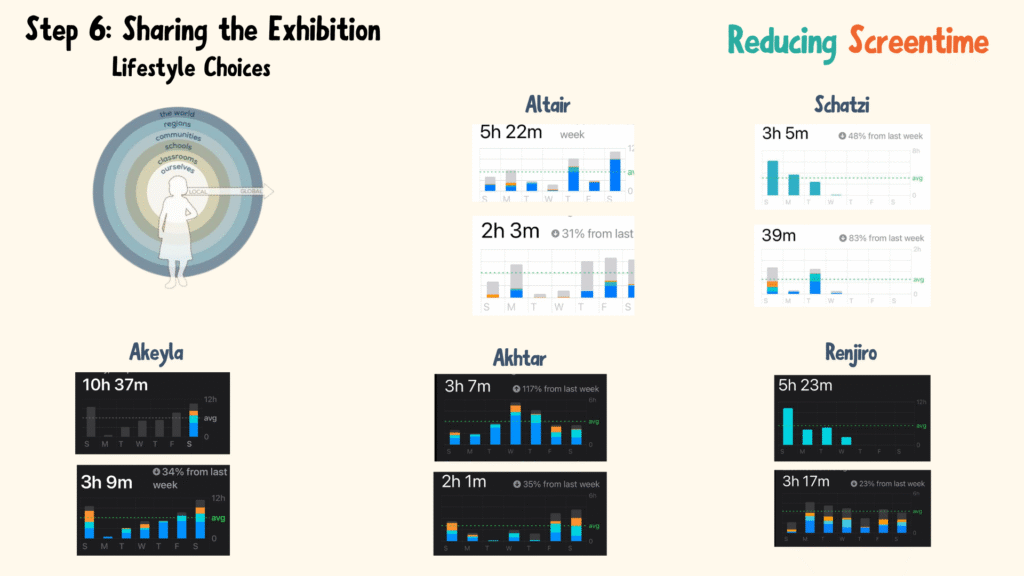
Before we reached out to others, we began by taking action within ourselves. As a learning community, we committed to applying what we had learned by reducing our own screen time and becoming more mindful of how we use gadgets in our daily lives. We practiced setting limits, choosing more meaningful offline activities, and being more aware of our habits. This step helped us understand the challenges and benefits firsthand, making our learning more authentic and meaningful. By starting with ourselves, we believe that the message we share becomes more genuine. We are not only spreading awareness, but also modeling the change we hope to see—building healthier and more balanced relationships with technology.

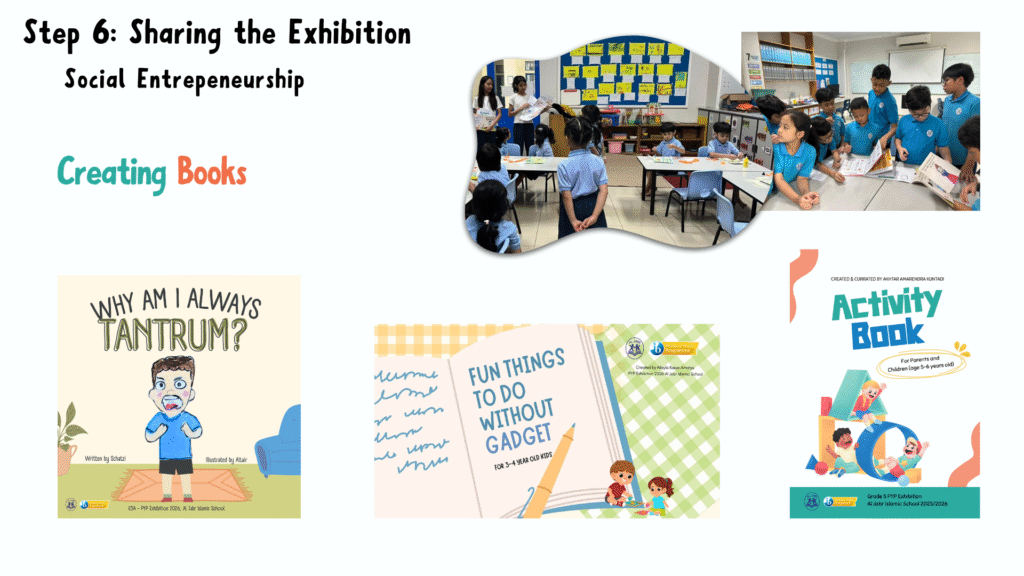
As our action, we created meaningful resources to raise awareness about the impact of gadget use on children. We designed a storybook that tells the story of a child affected by excessive gadget use, helping young readers understand the issue in a relatable and engaging way. In addition, we developed an activity book and a collection of fun ideas for activities without gadgets, encouraging children and families to explore more balanced, hands-on experiences.

We then shared and distributed these creations within our community as a way to make a real impact. Through this process, we are not only learning about real-world issues, but also taking meaningful action—using our knowledge to educate others and promote healthier habits. This reflects our role as young changemakers, where we turn our learning into purposeful action that benefits the community.

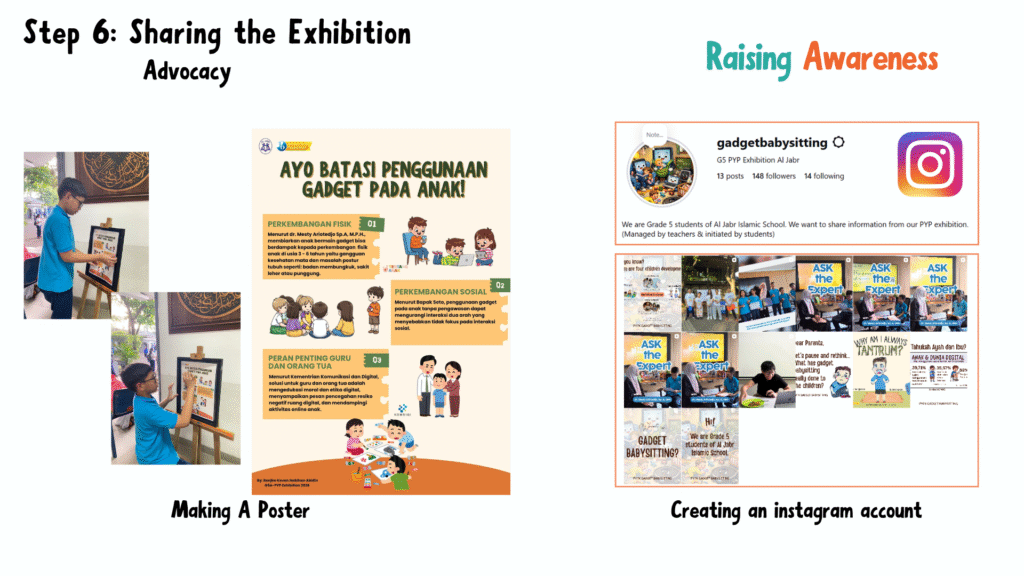
This is how we took action through advocacy by raising awareness about the impact of gadget use on children. As part of our campaign, we created informative posters to educate our school community about the importance of limiting gadget use and supporting children’s physical, social, and emotional development. We also extended our advocacy beyond the classroom by creating an Instagram account, Instagram. This idea was initiated by us and supported by our mentors, who help manage the platform. Through this account, we share our research, findings, and educational content with the goal of reaching as many parents as possible. Through these efforts, we aim to spread awareness more widely and encourage families to build healthier and more balanced gadget habits for children.


After applying the changes in our own lives, we took the next step by turning our understanding into creative messages. We planned, scripted, and produced videos to share what we learned about the impact of excessive gadget use on children. Through these videos, we aimed to communicate important ideas in a way that is engaging, relatable, and easy for others—especially parents—to understand.

By sharing these videos on platforms like Instagram and Youtube, we were able to extend our message beyond the classroom and reach a wider audience. This allowed us to actively contribute to raising awareness and encouraging more mindful use of gadgets. Through this process, we are not only learning, but also becoming confident communicators and advocates—using our voices and creativity to inspire positive change in our community.

Extending Our Impact: Sharing Knowledge with the Community

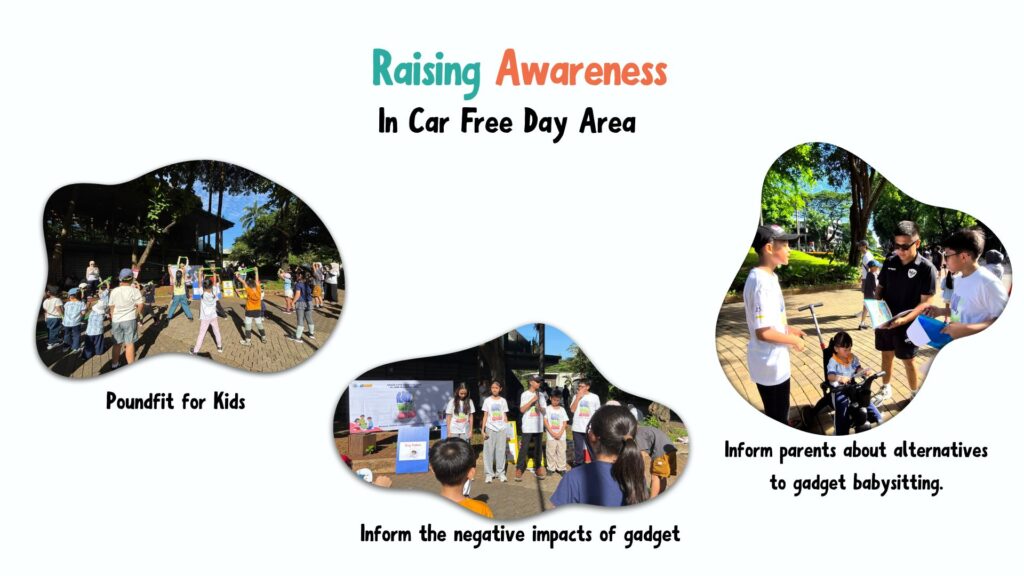
We took our knowledge to the streets of GBK to help parents understand the risks of gadget babysitting. 
Our recipe for a perfect Sunday:
1️⃣ Play & Move with a fun Poundfit session with Coach Jey! 
2️⃣ Bond with our parents (no gadgets allowed!). 
3️⃣ Share the knowledge to help every kid develop their best! 

Leave a Reply

Your email address will not be published. Required fields are marked *