
the role of education to create green economy
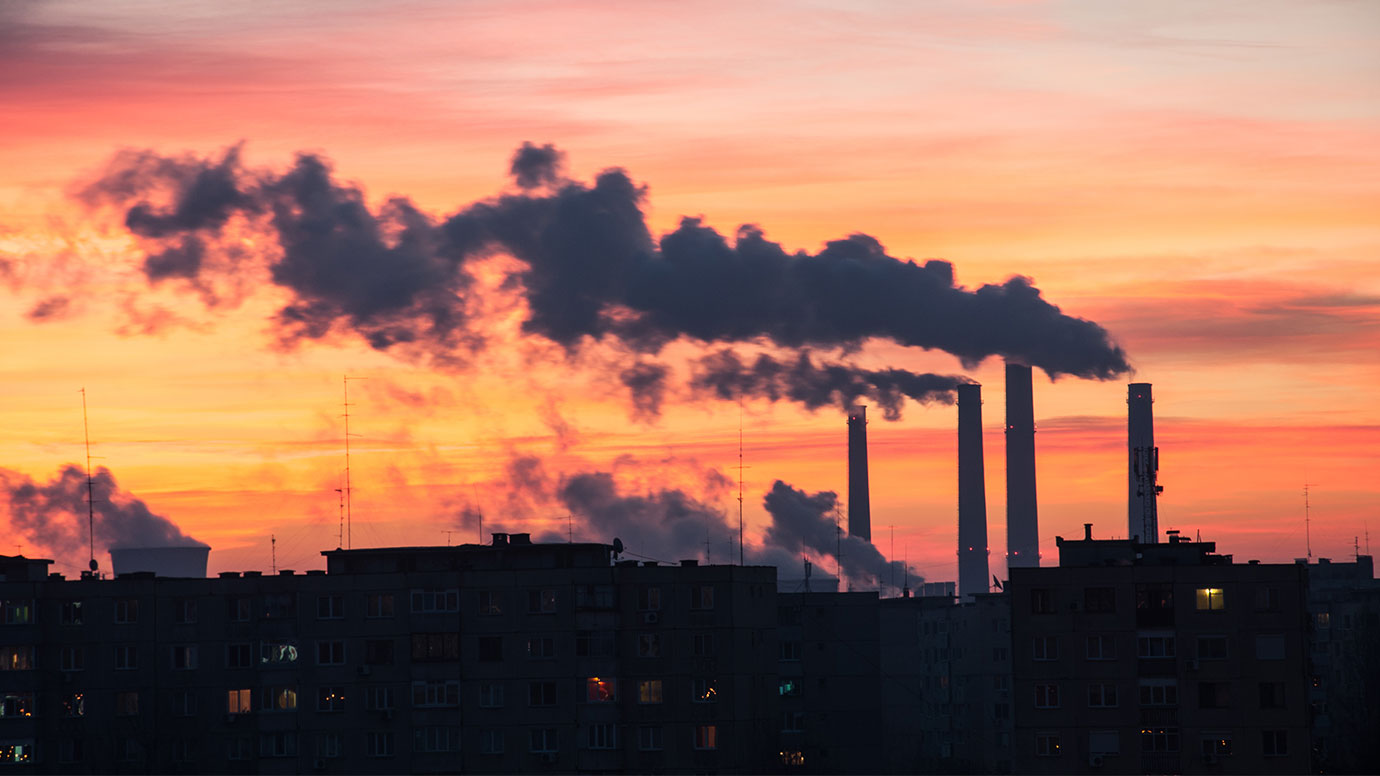
A Green Economy is referred to as an economic system based on ecological principles. In a green economy, growth in employment and income are driven by public and private investment into such economic activities, infrastructure, and assets that allow for lower carbon emissions and pollution, increased energy and resource efficiency, and the sustainability of biodiversity and ecosystem services.
As we see that economic growth and consumption imposed on environmental issues happen nowadays. However, fewer people are aware of taking care of the environment while running economic growth. The role of education is to educate the people on how we keep on growing the economy while not destroying the environment.


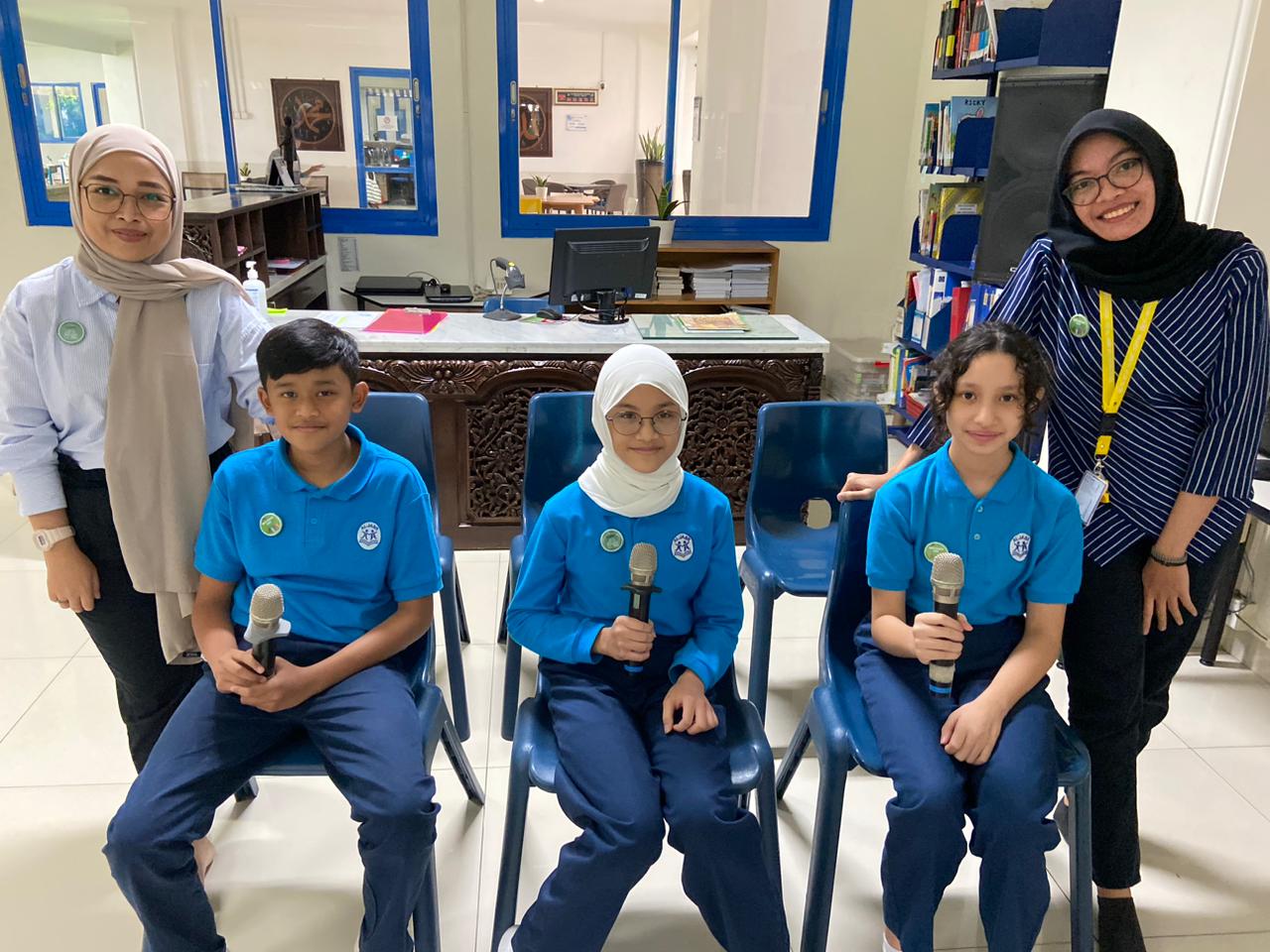
Meet the Researchers
Hi, welcome to our page!
We are Grade 5 students, and we welcome to you get to know our research which is about the role of education to create green economy. We were so curious about why there are so many environmental issues happening while people grow their economies. Here, we are proudly telling you about how is it happening and what we can do to create a green economy.

Hi, I'm Zeta!
I went to many fun and nice fieldtrips and my mentors are very smart and kind. I sometimes feel stressed when I have too much homework. I feel tired a lot when we need to do many things such as tasks and actions.
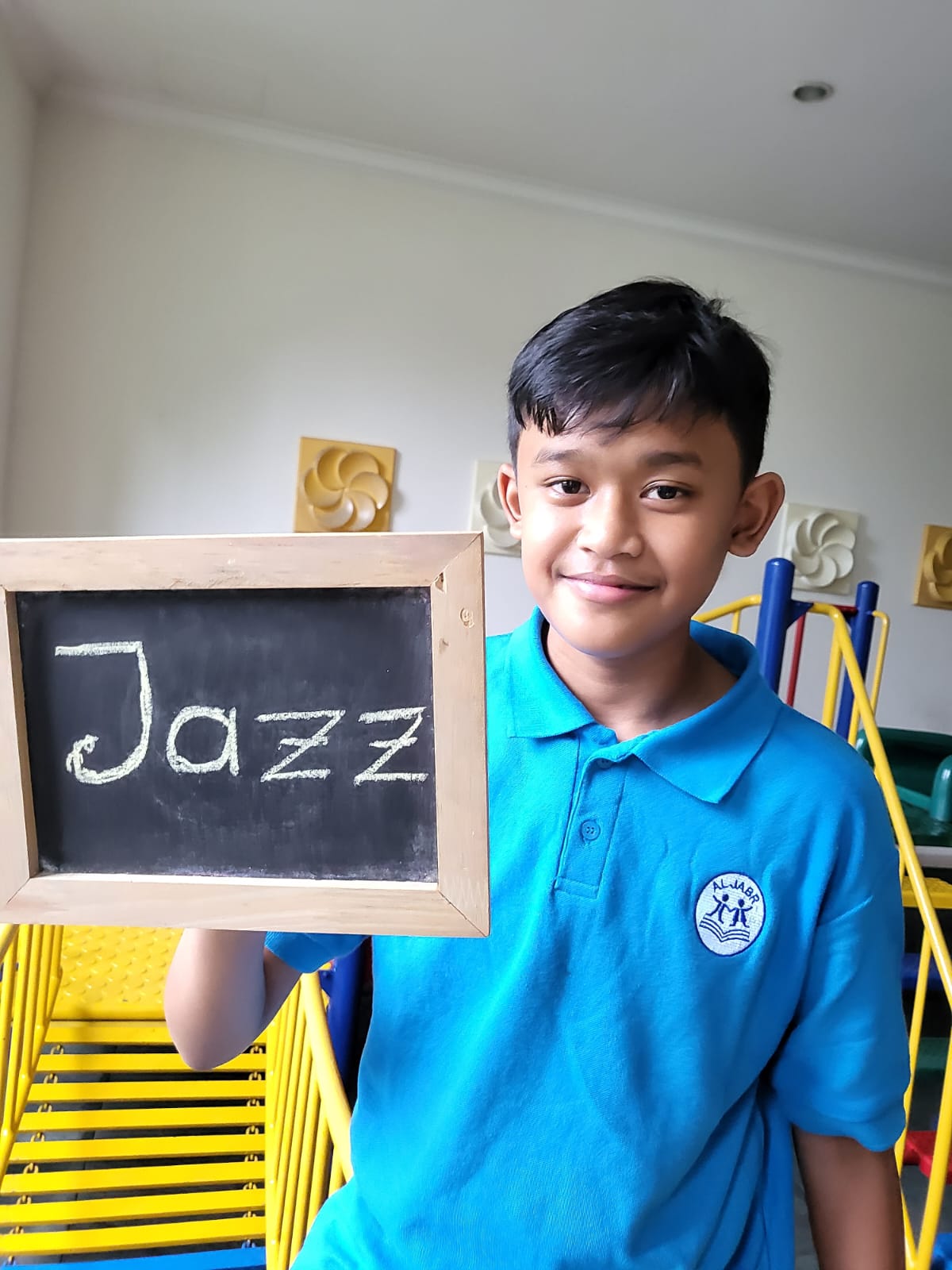
Hi, I'm Jazz!
I am happy because I was able to understand a new topic (Green Economy) and able to do it as a group. I am tired because I have many tasks to do during our exhibition. I am stressed because we have to do many tasks and prepare everything for the exhibition during weekends.
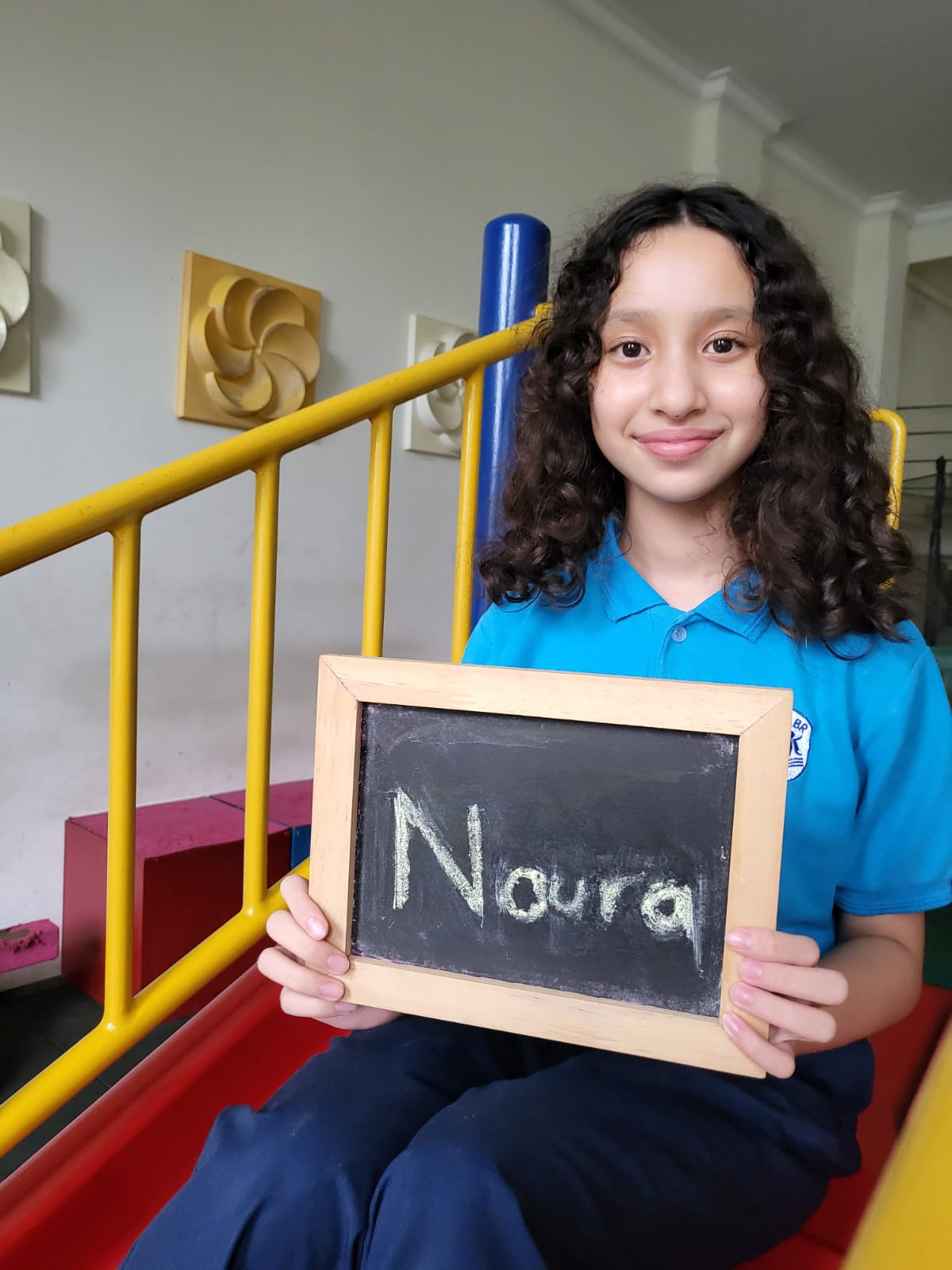
Hi, I'm Noura!
My mentors are really nice and the exhibition topic is fun. We still have homework like daily journal, and we still have to do the exhibition. I hope the action can help us and other people.


Meet the Mentors
We are so thankful and excited to be part of this journey. They are all thinkers and knowledgeable, yet seeking more as inquirers. Seeing how the students came up with a small issue yet matters a lot. Seeing them end up with a creative and innovative type of actions.
We really are proud mentors witnessing the students reach their goals. Hopefully, their action will educate the people to be not only aware but also take a small action to create a green economy all together.
(Ms. Rurie and Ms. Widi)
How We Organize Ourselves
Human Systems and Economic Activities: The study of how and why people construct organizations and systems; the ways in which people connect locally and globally; the distribution of power and authority.
Central Idea
Education's impact on social equity and the green economy.
Key Concepts
Function,
Perspective,
Responsibility
Related Concepts
Social Studies Strands: Human Systems and Economic Activities
(1) Government
(2) Education
Science Studies Strands: Living Things
(1) Ecosystem
Lines of Inquiry
(1) The role of education for creating better future. (Function)
(2) People's perspectives in seeing economy and environment. (Perspective)
(3) People's actions towards environmental issues are caused by economic activities. (Responsibility)
Learning Outcomes
(1) Investigate how education leads to better future.
(2) Describe people’s perspective about economy and environment through education.
(3) Discover people’s responsibility to equally increase the economic and environment level.
The Doughnut of Planetary and Social Boundaries

Social Foundation
Our Social Foundation is income and work, education, and social equity because when we start working, we need to have skills and be well educated for the job to be meaningful for us.
Ecological Ceiling
Our Ecological Ceiling is land conversion, air pollution, and chemical pollution because sometimes people may cut trees to build houses and factories. Those buildings, especially factories, can cause air pollution from gas and cause chemical pollution from the toxic chemicals after producing their products.
WHY we choose this problem?
We chose this problem because Education is the most powerful tools available to drive economic growth. People with higher levels of education are more likely to grow the economy. Unfortunately, some people are not aware that their economic activities harm the environment and only care about earning the money. Meanwhile, the rest are already aware but not taking action yet.
Al Qur'an Verse
QS. Al-Mulk (67): 21
“Rezeki itu tidak datang dengan sendirinya melainkan harus dijemput dengan berusaha dan bekerja yang baik dan halal. Artinya: “Atau siapakah dia ini yang memberimu rezeki jika Allah menahan rezeki-Nya?””
This verse explains about people are encouraged to do economic activities without harming the environment.
QS. Al-Mujadila (58): 11
“Berilah kelapangan di dalam majelis-majelis, maka lapangkanlah, niscaya Allah akan memberi kelapangan untukmu.”
This verse explains that Allah gives more knowledge for us to be careful with our economy and work. Allah made this verse because people who have experienced poverty have less skills and education which makes their job profession low, and it also lowers their ability to afford their daily or primary needs.
QS. Al-A’Raf (7): 56
“Dan janganlah kamu berbuat kerusakan di bumi setelah (diciptakan) dengan baik. Berdoalah kepada-Nya dengan rasa takut dan penuh harap. Sesungguhnya rahmat Allah sangat dekat kepada orang yang berbuat kebaikan.”
This verse explains that Allah forbids us to break or damage the environment as it has been set in order. Indeed, Allah’s mercy is always close to those who do good deeds and call upon Him.

People would do anything to earn money, which includes harming the environment. People become rich, their economic level is increasing, they take advantage of nature. But sadly, they are not responsible towards the environment.

This is an illustration of human action towards the green economy and environmental degradation. Environmental degradation is growing fast, faster than human action towards a green economy, which can be harmful to both us and the environment.
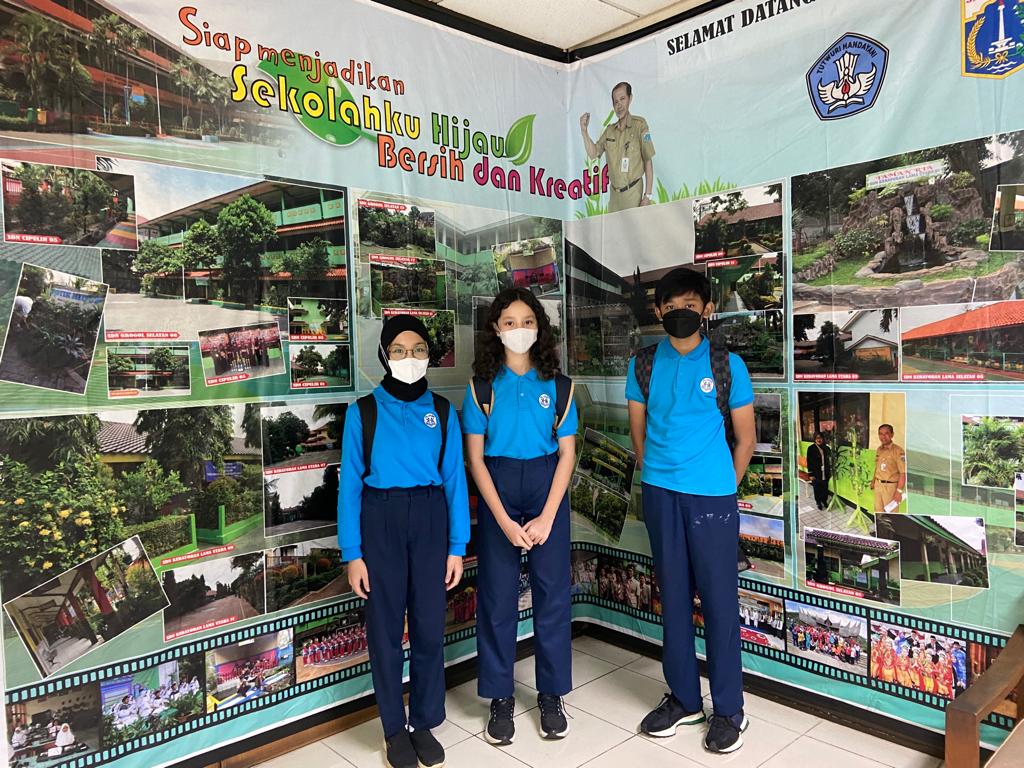
Here we are, Noura, Jazz, and Zeta, standing right before you. We are going to tell about our findings about the role of education to create Green Economy.
Green economy is an economic system that is based on or guided by environmental principles. It means, people conduct economic activities while still supporting the environment green.
STEP i:
Identifying Globally Significant Issues
Exploring, Wondering, and Questioning
STEP iI:
Determining Timing and Time Frame
Making Connections between Previous Learning and Current Learning
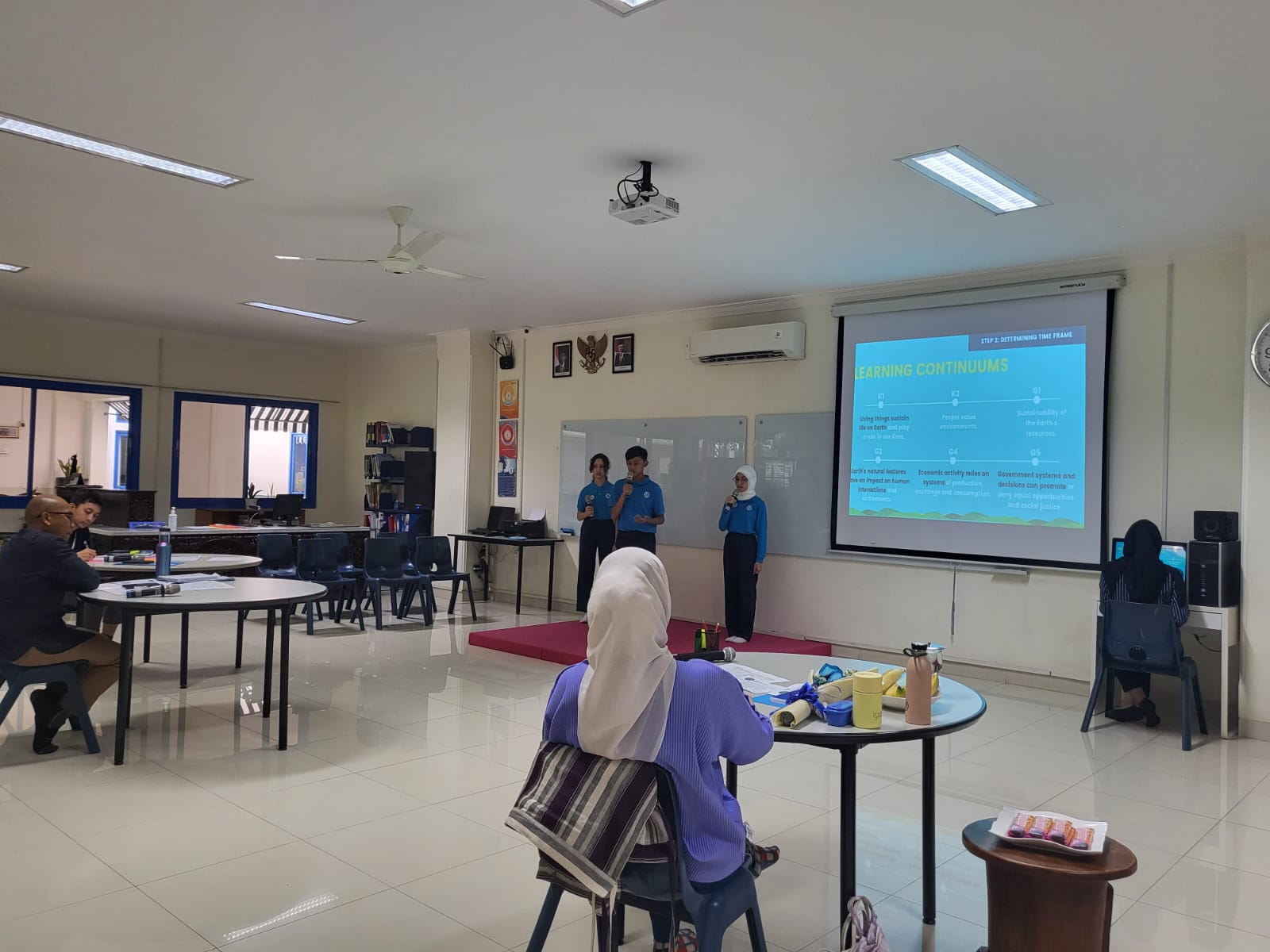
We discussed each step and formulate a timeline to ensure that the project runs well. To gain a better comprehension, we also invited the experts to share their perspectives on current situation of economic growth and environmental issues and how the government manages it. We plan to take an action within the specified time frame one we gathered enough information.
The Learning Continuums
Kindergarten 1
Sharing the Planet
Living things sustain life on Earth and play a role in our lives.
Kindergarten 2
Sharing the Planet
People interact, use, and value environments in different ways.
Grade 1
How We Express Ourselves
People recognize important events through celebrations and traditions.
Grade 2
Where We Are in Place and Time
Earth’s natural features have an impact on human interactions and settlements.
Grade 4
How We Organize Ourselves
Economic activity relies on systems of production, exchange and consumption.
Grade 5
How We Organize Ourselves
Government systems and decisions can promote or deny equal opportunities and social justice.

the Guest Speakers
Greeneration Foundation is an Indonesian non-governmental organization that focuses on changing people’s behavior to adopt responsible responsible consumption and production using creative media.
We interviewed Kak Rian from Greeneration to gain knowledge about green economy issues and how education connects with it. He works as a person who educates people about the environment. He shared a new insight for us about the 5 aspects that affect the environment. The environmental issues is highly caused by human behavior aspect. It means, people need to be educated and raised their awareness towards this issue.
Rinda Salmun is a contemporary womenswear brand with the objective to define the ways in which clothing can be at once strong, bold, and rather masculine but also sweet and feminine. Their pieces are lovingly made using recycled yarns, eco-friendly fabrics, and re-purposed old products-turned-new. They also made their pieces from the hands of beloved artisans and workers.
We went to Rinda Salmun Studio Jahit and interviewed her to study about her brand and how she practices green economy into her brand products.
PSPK is an independent non-profit foundation that focuses on strengthening policy implementation and evaluation to build an education ecosystem that stands on the children’s side. PSPK is considered a trusted and strategic partner by government agencies; we work closely and collaboratively with various ministries and relevant government agencies.
We interviewed Ibu Nisa from PSPK to gain knowledge about the role of education towards green economy and how PSPK support the government. Ibu Nisa works to help the government make decisions about schools and their policies towards education. Ibu Nisa also interviewed children under 15 years old about their school’s regulations.
STEP iII:
Engaging Support from the Learning Community
Collecting Data and Reporting Findings or Researching and Seeking Information
To answer all of our questions we collected in Step 1, we invited the experts in about medical waste through interview. They are Kak Rian (from Greeneration), Ibu Rinda (from Rinda Salmun), Ibu Nisa (from PSPK), and Kak Dea (from SukkhaCitta). We gained many new insights about the things we are curious about and things we could possibly do as our action.
SukkhaCitta is a sustainable Indonesian heritage craft. 100% of their products are handcrafted directly from Ibus (Mothers) in Villages, not factories, going deep to stitch positive impact into what one wears. Their central vision is to thrive together with nature, one that is powered by resilient village economies rooted in indigenous cultures, gender equity, and a deep respect for the planetary boundaries.
We watched the interview video from Gita Wirjawan and Kak Denica about how they create an environmentally friendly products. We also went to Sukkha Citta in Ashta 8 District to interview Kak Dea on how the brand creates eco-friendly products.
After we did the interview with the experts, we gather and sum up our points of view about the knowledge through a reflection.
STEP iV:
Organizing Learning
Experimenting and Playing with Possibilities Solving Problems in a Variety of Way
We applied our research skills by conducting a survey to Al Jabr Learning Community about the green economy. Unfortunately, people awareness towards green economy and how it works is still very limited. Through our mini-survey to 131 respondents of Al Jabr Learning Community, it is stated that:
As we observed that economic growth and consumption imposed on environmental issues happen nowadays. However, almost everyone knows the connection between education and the economy BUT, they don’t really understand what the green economy is.
Fewer people are aware of taking care of the environment while running economic growth. The role of education here is to educate the public on how we continue to develop the economy while still prioritizing environmentally friendly principles.


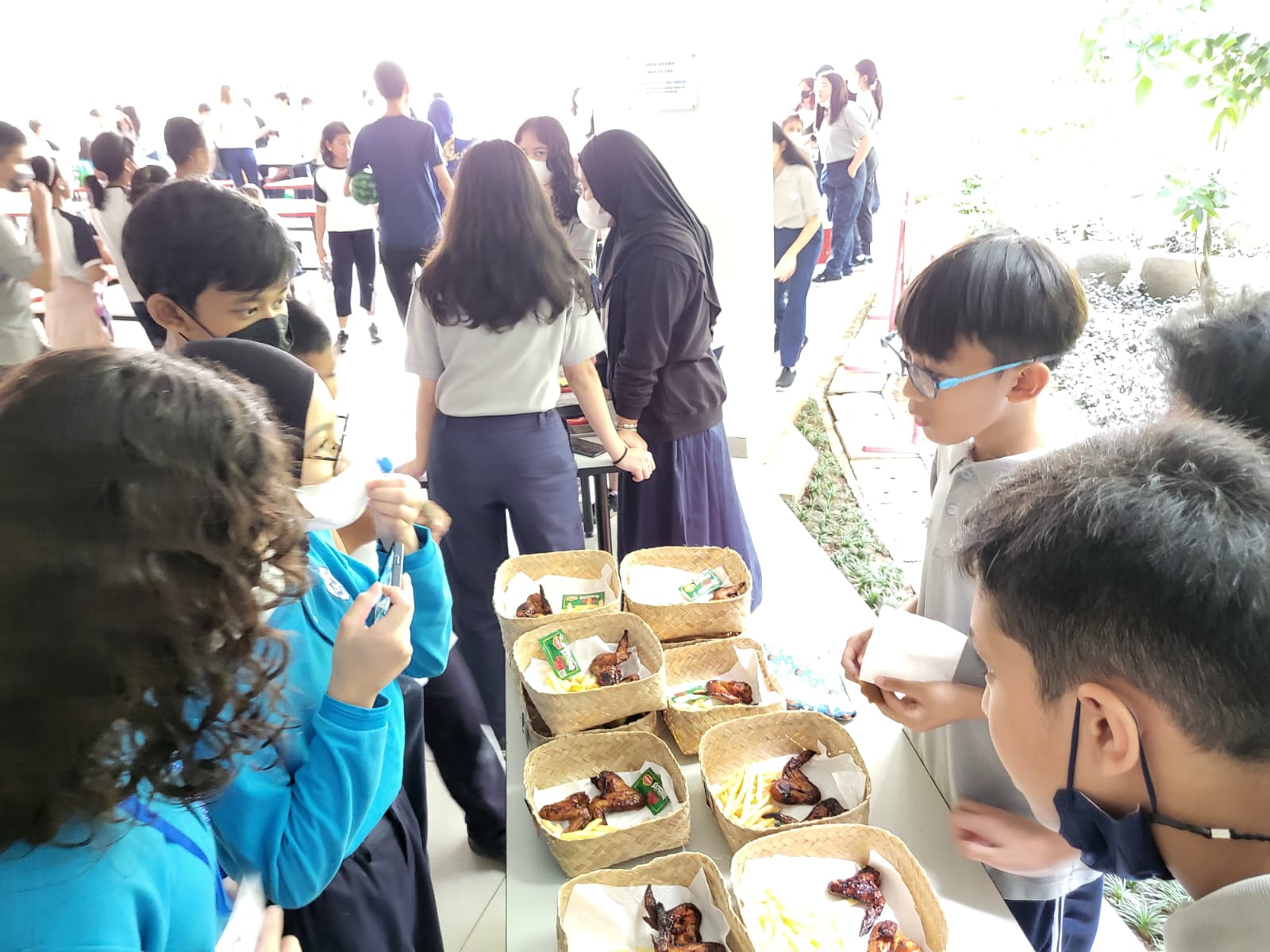
Social Experiment in a Bazaar
To get a deeper understanding of our topic, we also did a social experiment by observing the Grade 6 bazaar that is held in school. Bazaar is one of the economic activities because they earn money from it. We asked if their packaging is eco-friendly or not. In fact, they maximize the use of reusable and eco-friendly packaging for their products. They also engaged people to get used to throwing garbage in its place and differentiate their trash. It means students in Al Jabr are aware about the green economy.




We decided to do action of participation, advocacy, and lifestyle choice. We educated the Al Jabr Learning Community and Suku Dinas Pendidikan as our Participation and Advocacy Action about the green economy, shared our survey results to the Al Jabr learning community and raised awareness about how small actions can have a big impact on the green economy. The Lifestyle Choice Action is when we also started to do small actions such as using our own tote bags when we shop, using our own reusable tumblers, and apply 3R (Reuse, Reduce, Recycle).
Action Preparation



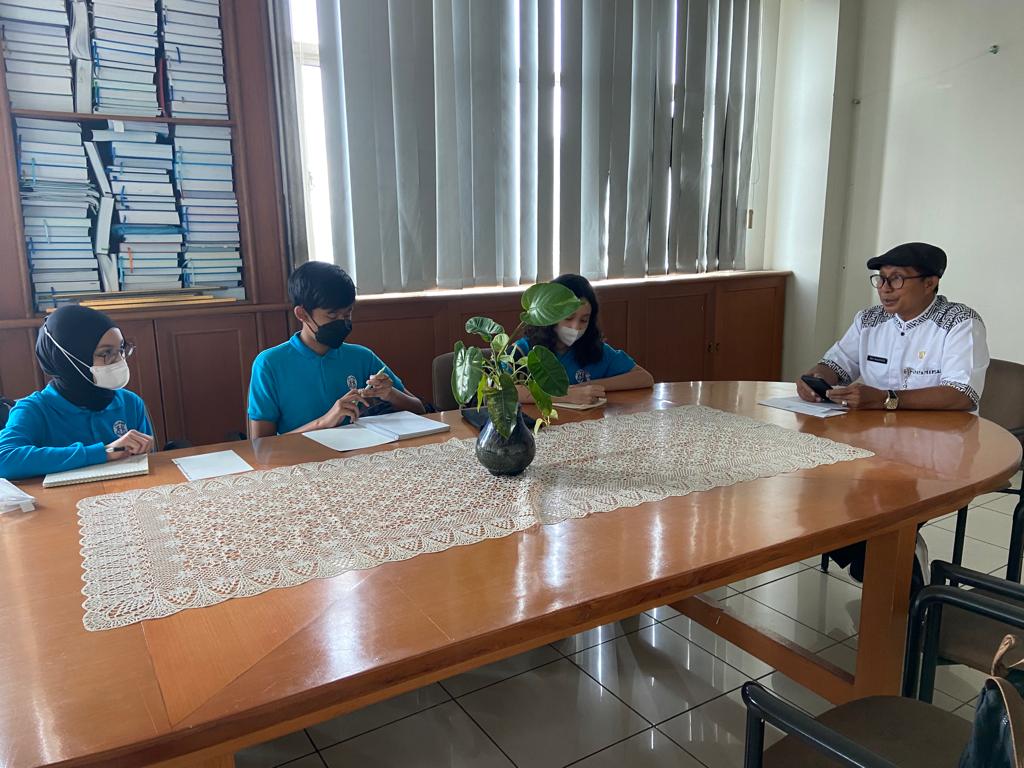
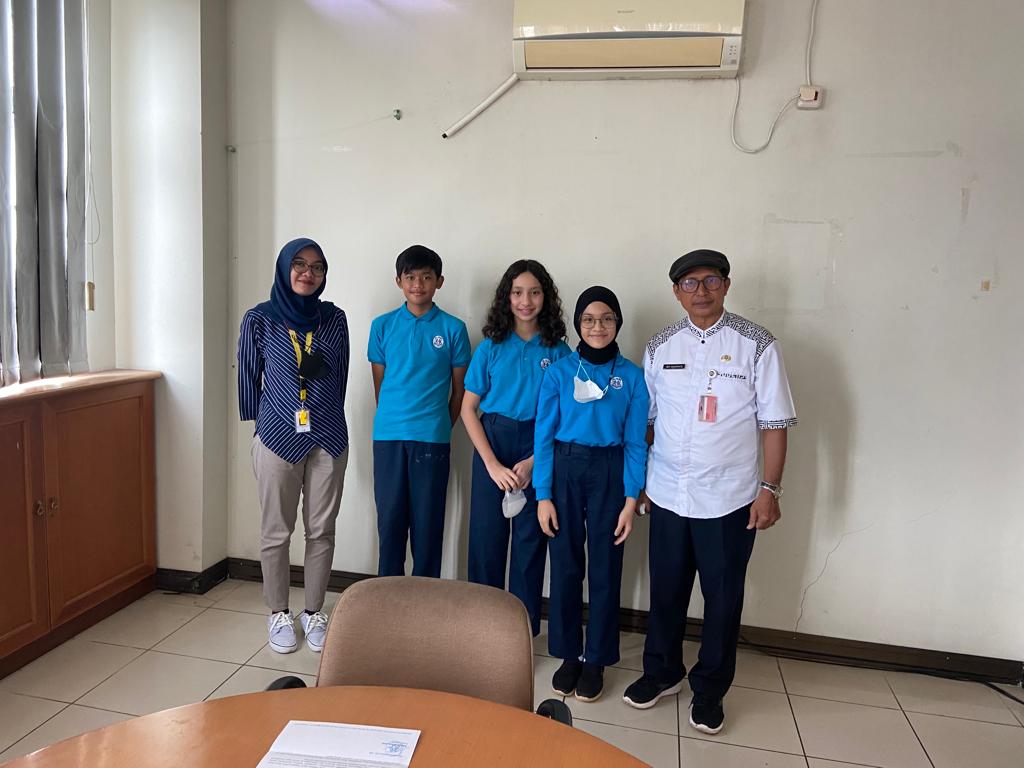
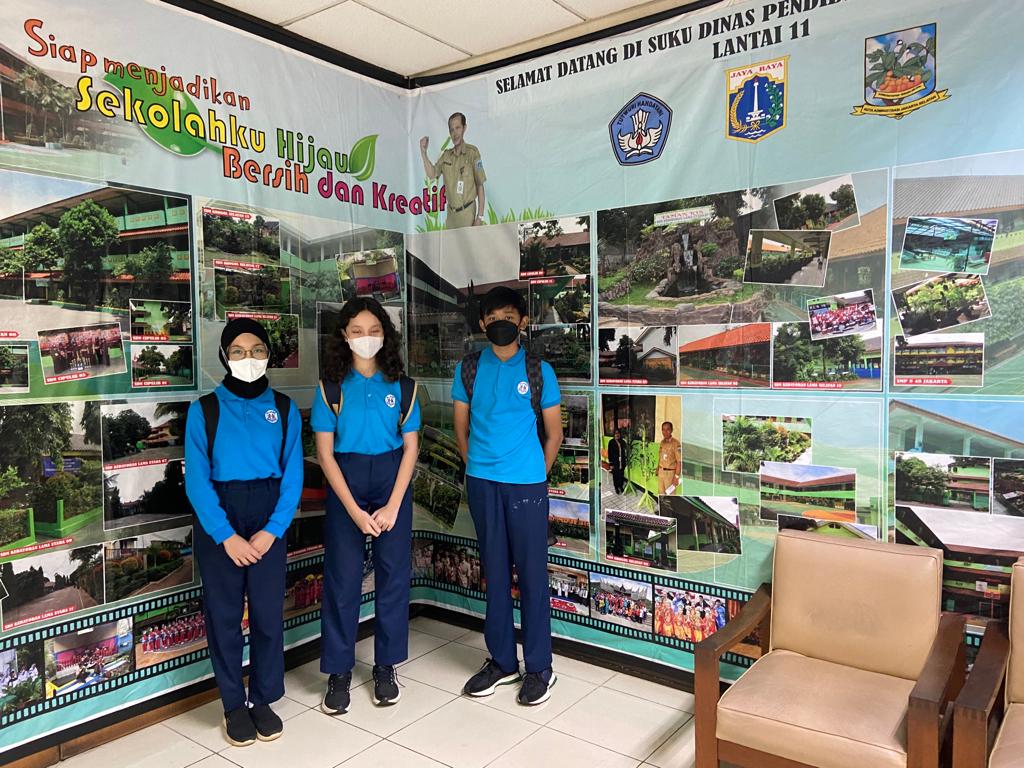
Our Action to Suku Dinas Pendidikan
We shared our ideas to Suku Dinas Pendidikan about the concept of green economy and what action we can take to support the program.


Our Action to Al Jabr Community
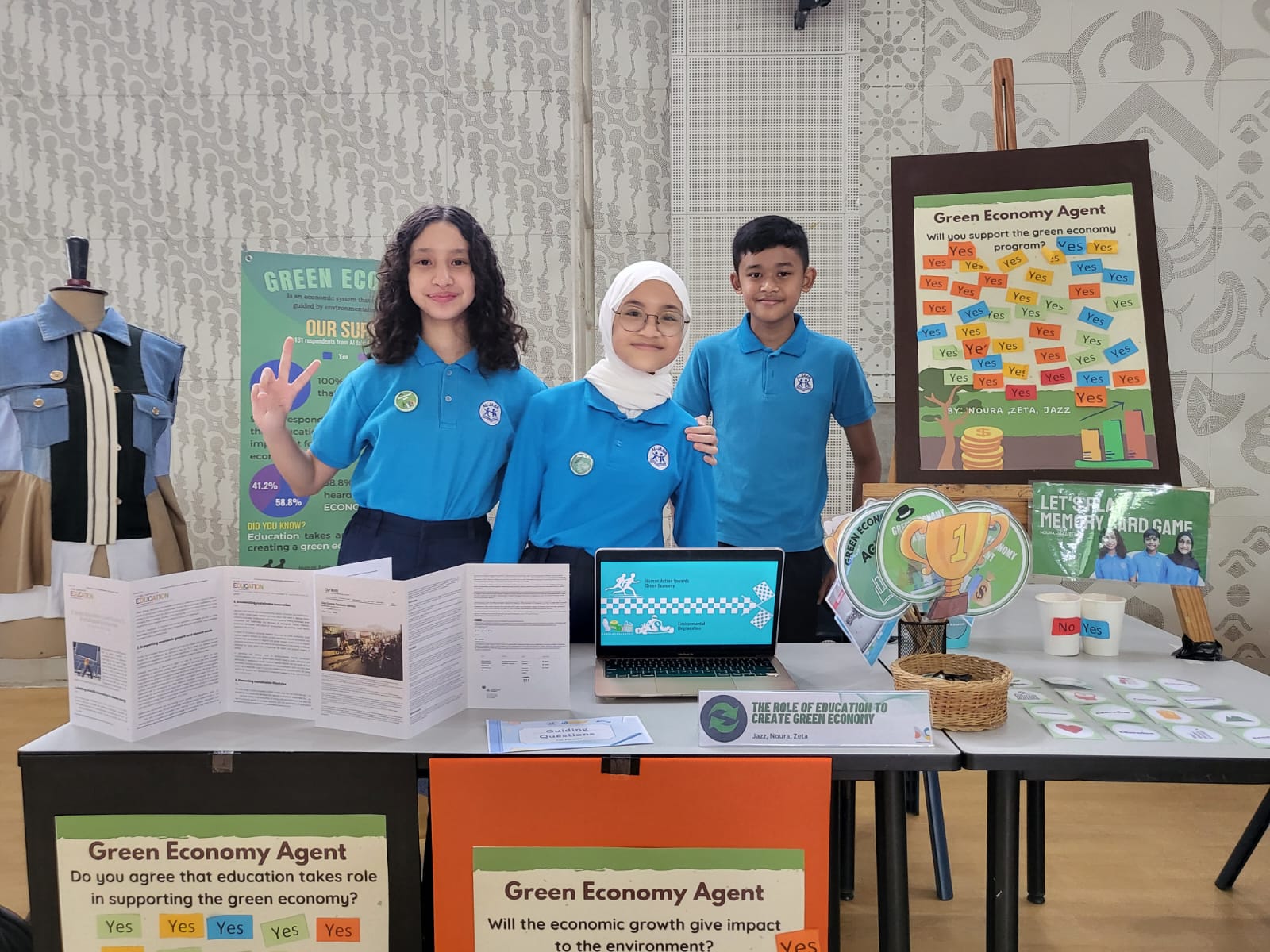
We invited some people from Al Jabr Learning Community to our booth and shared our findings. We also ask them few questions about their opinions towards the green economy to support our action.


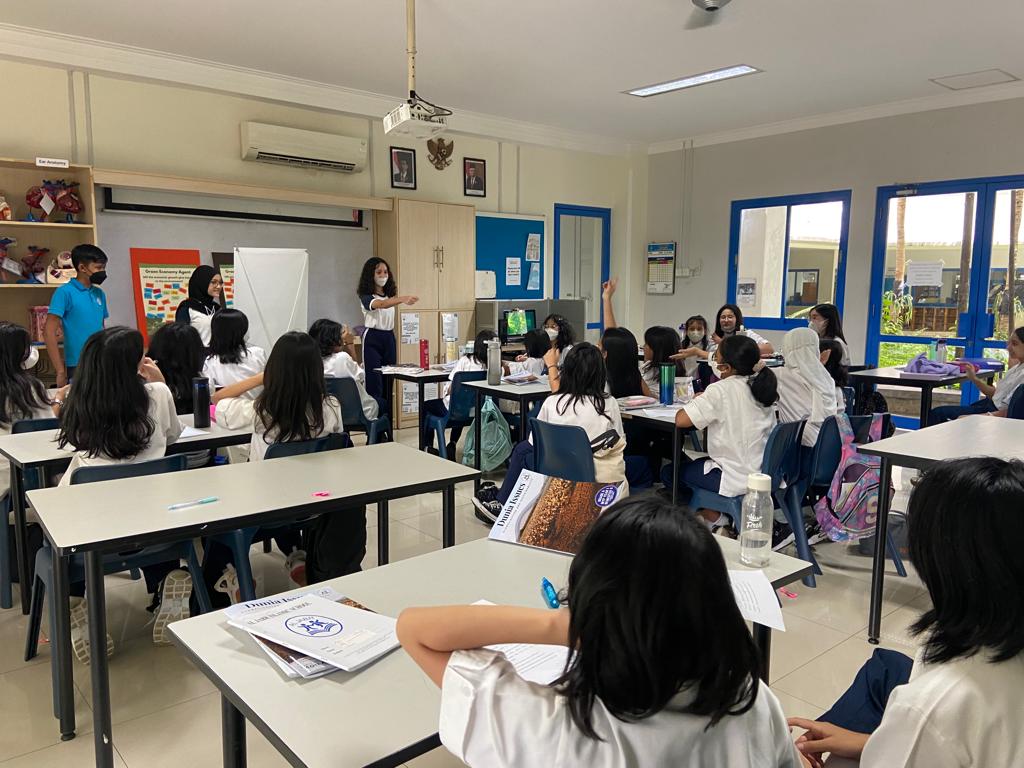
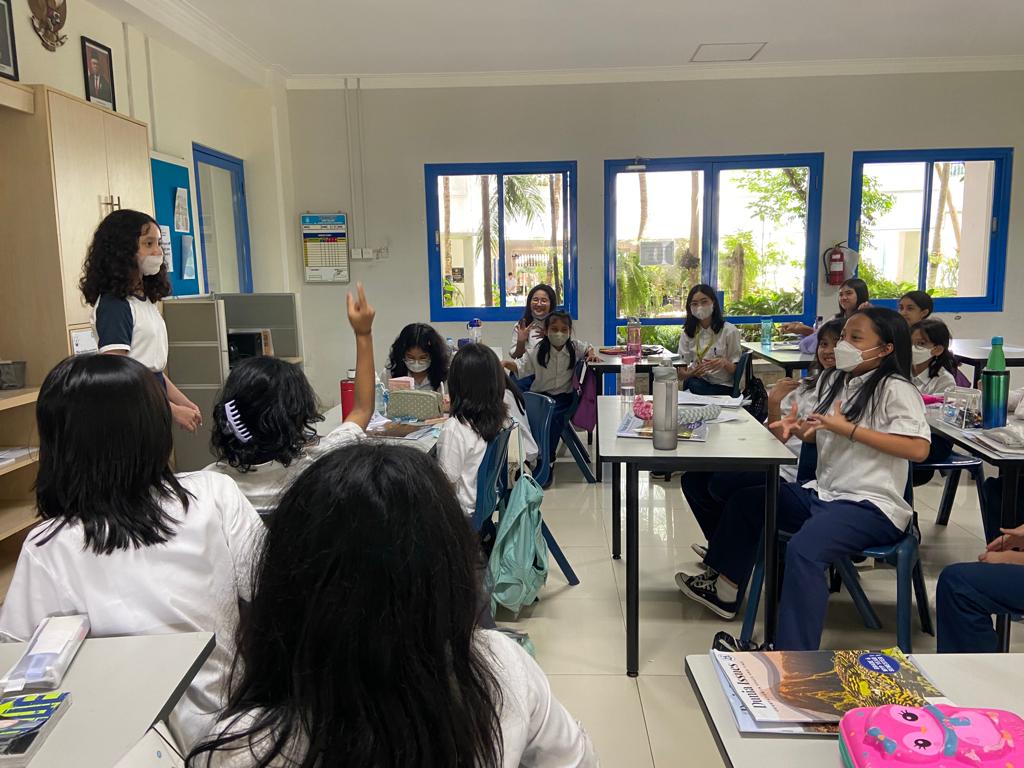
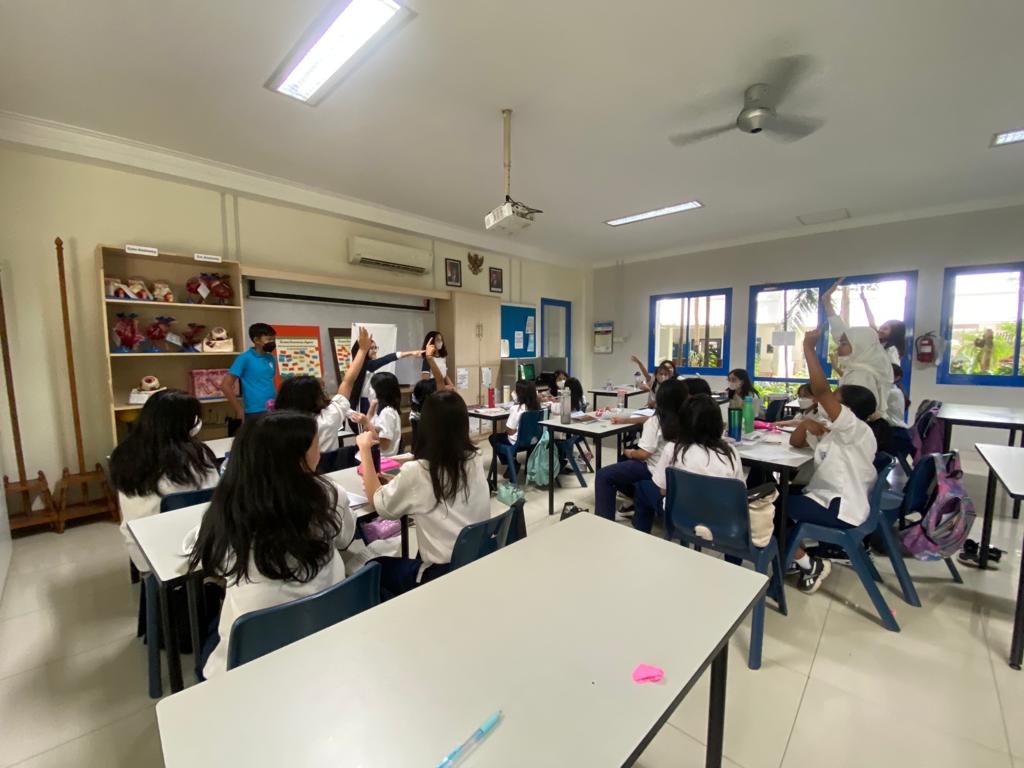
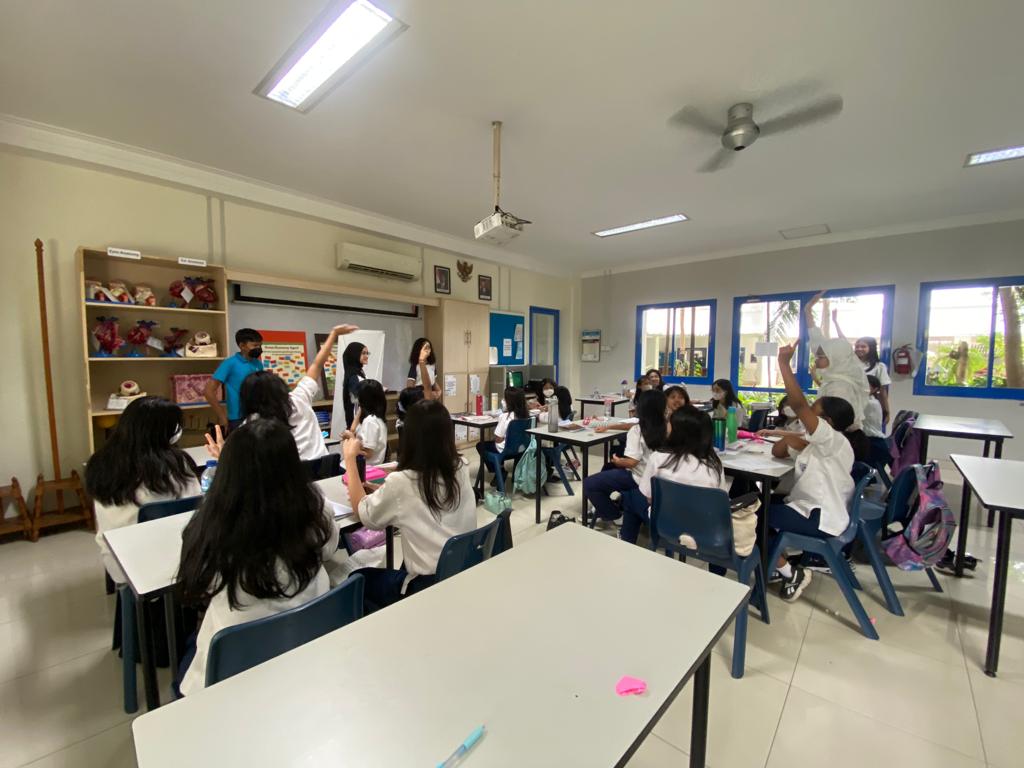
Our Action to MYP students
We also shared to MYP students about what the green economy is, the results of our survey, asked them a few questions about the green economy, and we invited them to be a green economy agent. The MYP students agree to become our agents and support the green economy program.




STEP V:
Monitoring the Exhibition
Taking and Depending a Position
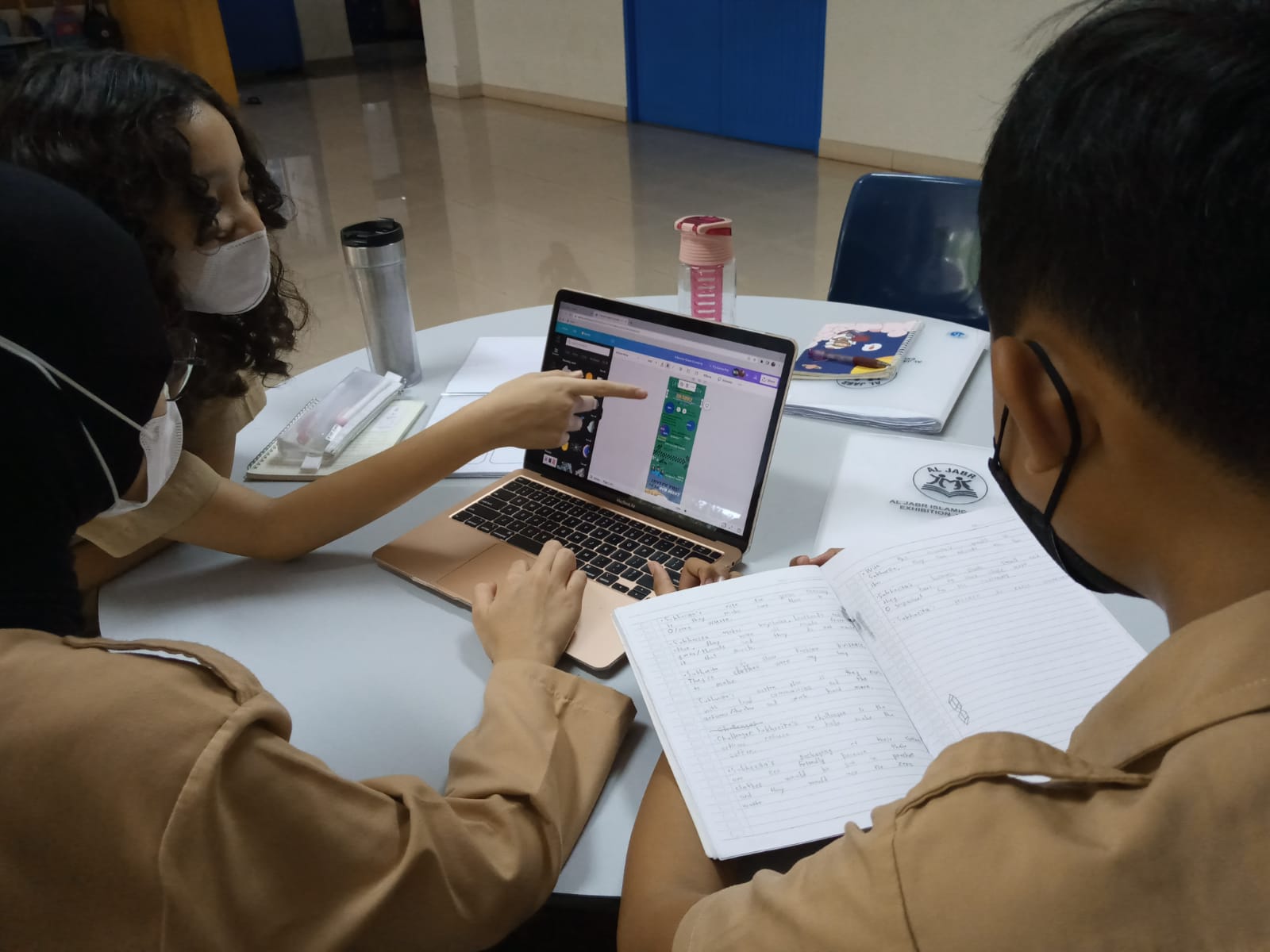
We monitor the progress of our exhibition project by joining a mentor meeting three times a week with all members and all mentors. We put ideas we had during discussions, we combined ideas and suggestions from our mentors and the experts in the exhibition journal.
Discussions
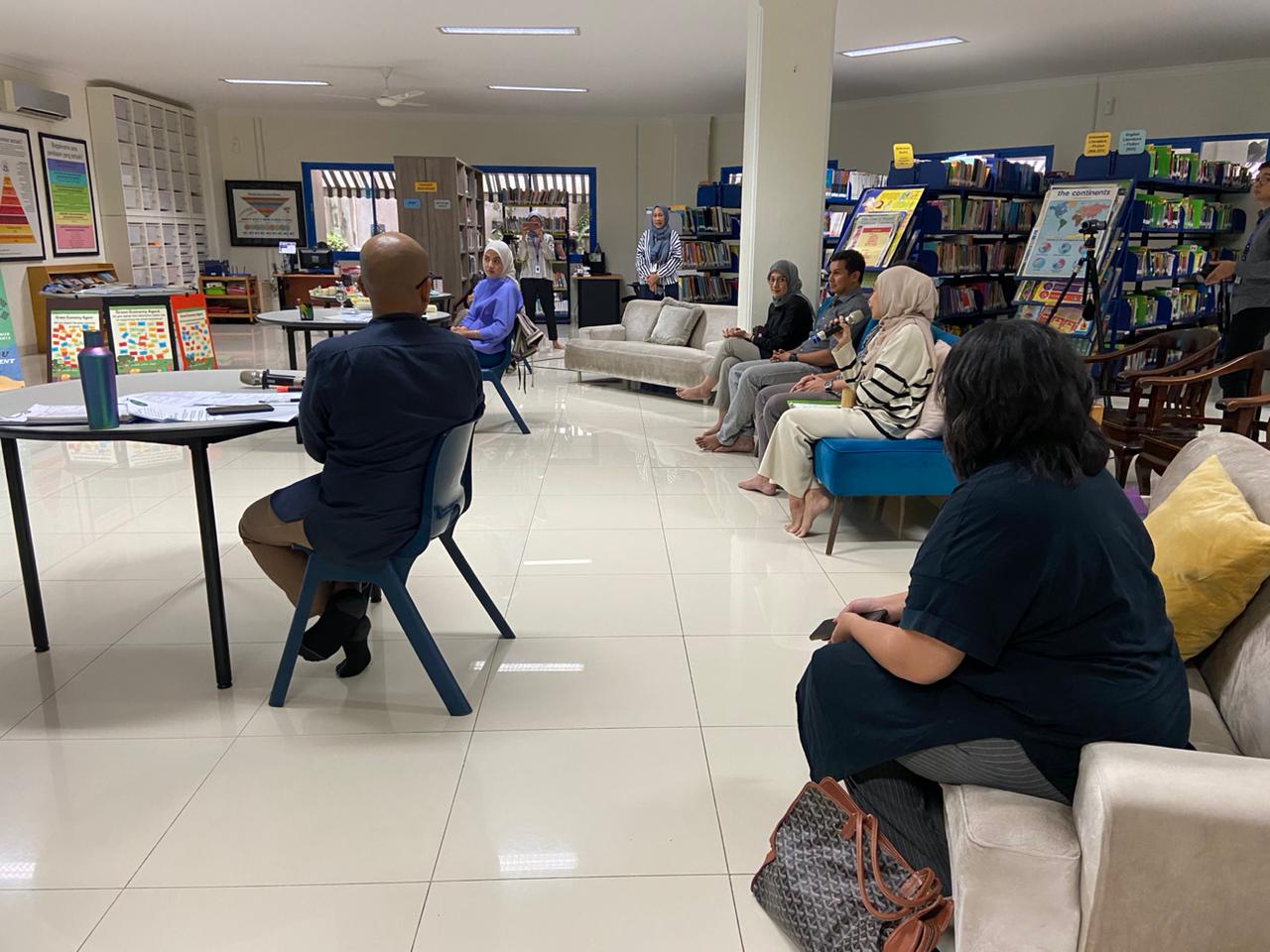
Parents-Mentors Meeting


SELF-ASSESSMENT
Our exhibition is a success for us because now we understand that education is a powerful tool to raise awareness about the green economy, and the Al Jabr learning community is heading on it.
One, we learned that education takes a very big role on creating green economy.
Two, we learned the real concept of the green economy.
Three, we learned that every small action we take, matters, a lot.
This experience really increase our development of knowledge about this topic. Then, throughout this journey, we are not only educating the school community, we are also educating the government.
RESULTS AND ANALYSIS

STEP VI:
Sharing the Exhibition
Establishing and Testing Theories
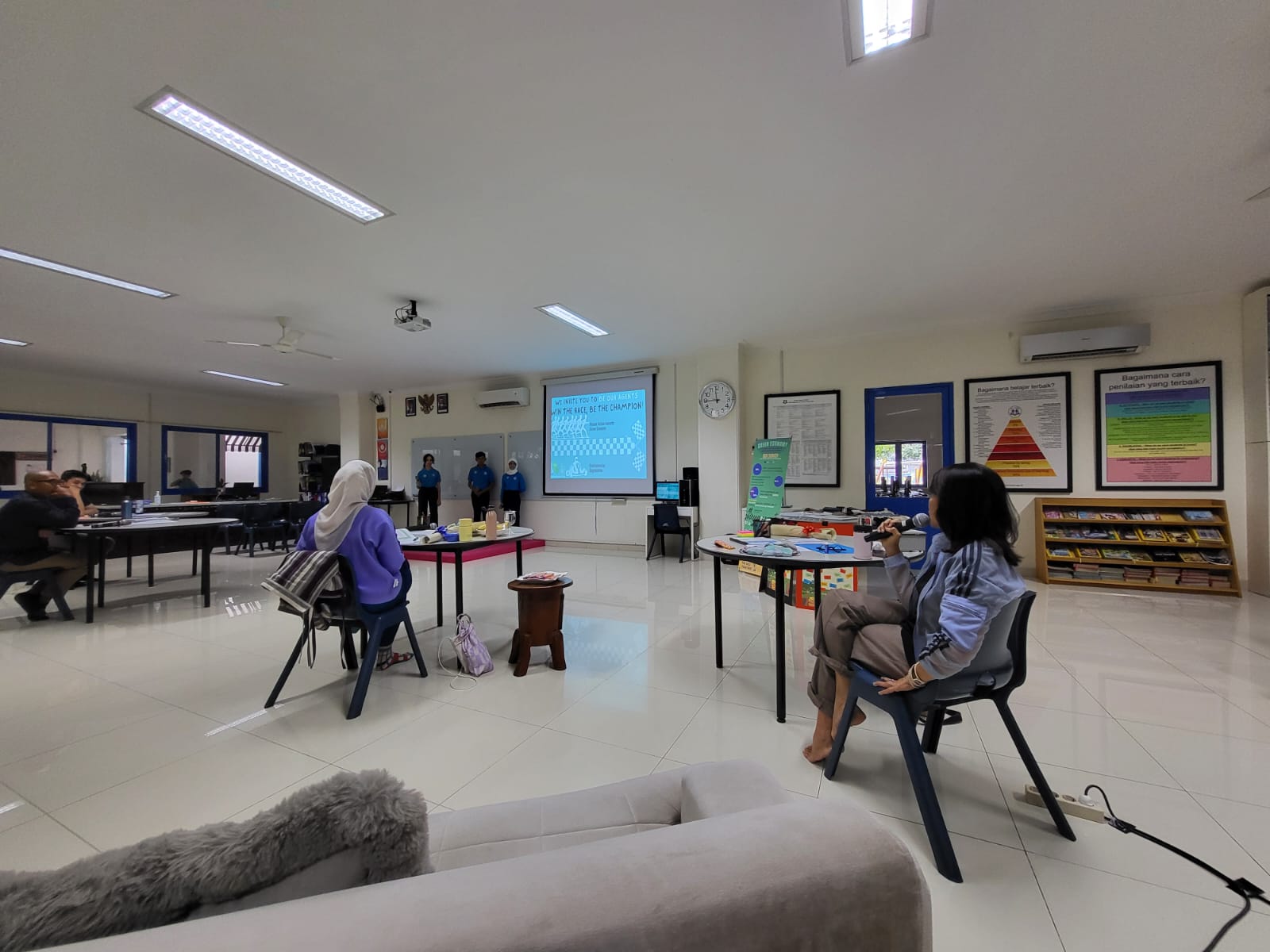
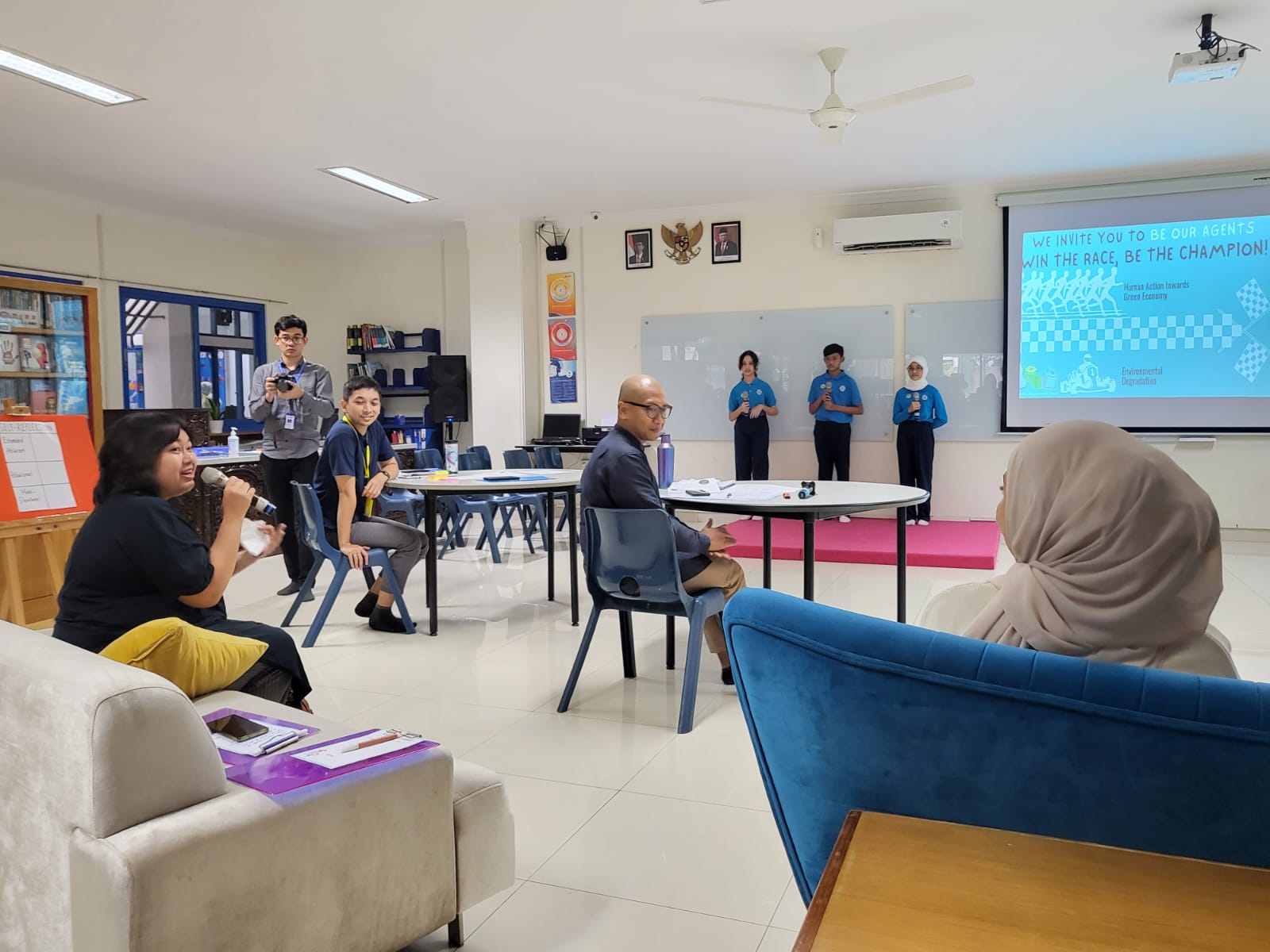
To conclude, education plays a very big role in every aspect. When people are well educated, they will be responsible towards their actions and people will achieve social equity and improve their economic level. Now, we invite you to be our agents. Let’s win this race and be the champion!











REFERENCES
Our Experts:
- Fahrian Yovantra from Greeneration Foundation
- Rinda Salmun from Rinda Salmun Brand and Rinda Salmun Two Wear
- Nisa Felicia from Pusat Studi Pendidikan dan Kebijakan (PSPK)
- Denica Riadini-Flesch and Kak Dea from Sukkha Citta
Sources:
- https://www.unep.org/regions/asia-and-pacific/regional-initiatives/supporting-resource-efficiency/green-economy
- https://www.instagram.com/rindasalmun/
- https://pspk.id/en/about-us/)
- https://www.sukkhacitta.com/)
- https://youtu.be/m8ISZQKU6Ig (Bikin Baju yang Sembuhkan Bumi – Denica Riadini-Flesch)