
plants can support the reduction of air pollution
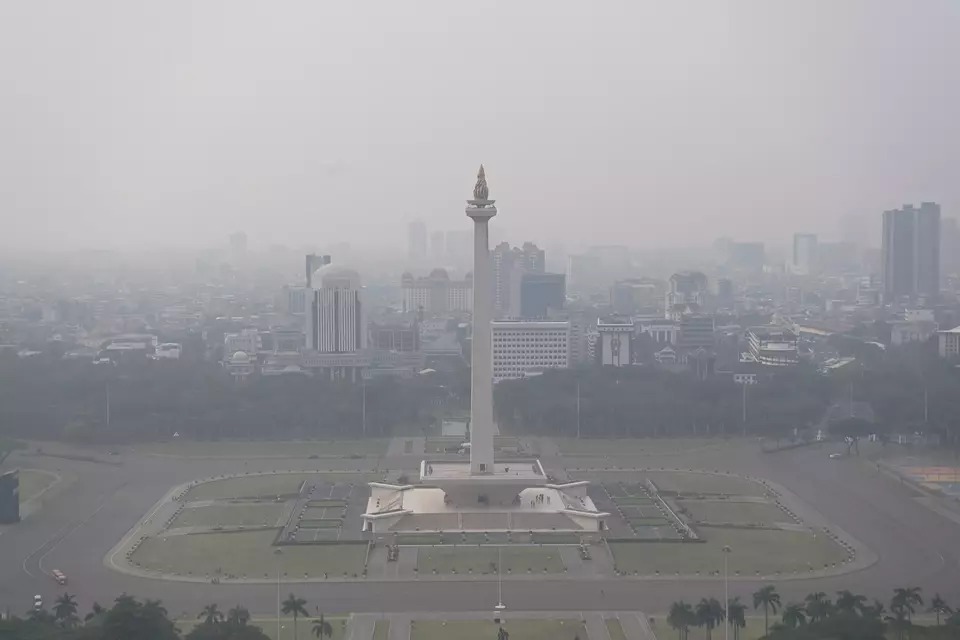
Jakarta Ranks First with the Worst
Air Quality Index in the End of 2023
Jakarta currently holds the title of being the most polluted city, with air quality in the area and its surroundings continues to worsen with each passing day. It's concerning as it poses serious health risks and affects well-being. The visible effects of pollution, like smog and haze, are not only harmful to the environment but also pose significant risks to public health.
In October 2023, the Air Quality Index (AQI) in Jakarta reached alarming levels, measuring the concentration of pollutants in the air. The AQI soared to hazardous levels, in which Jakartans were advised to stay indoors as much as possible and use air purifiers to reduce exposure to the polluted air.
With the Jakarta's worsening air quality, there is a growing interest in using plants as natural air purifiers. Plants can absorb pollutants such as carbon dioxide (CO2), while also can release oxygen into the air. This makes the plants allies against the air pollution.
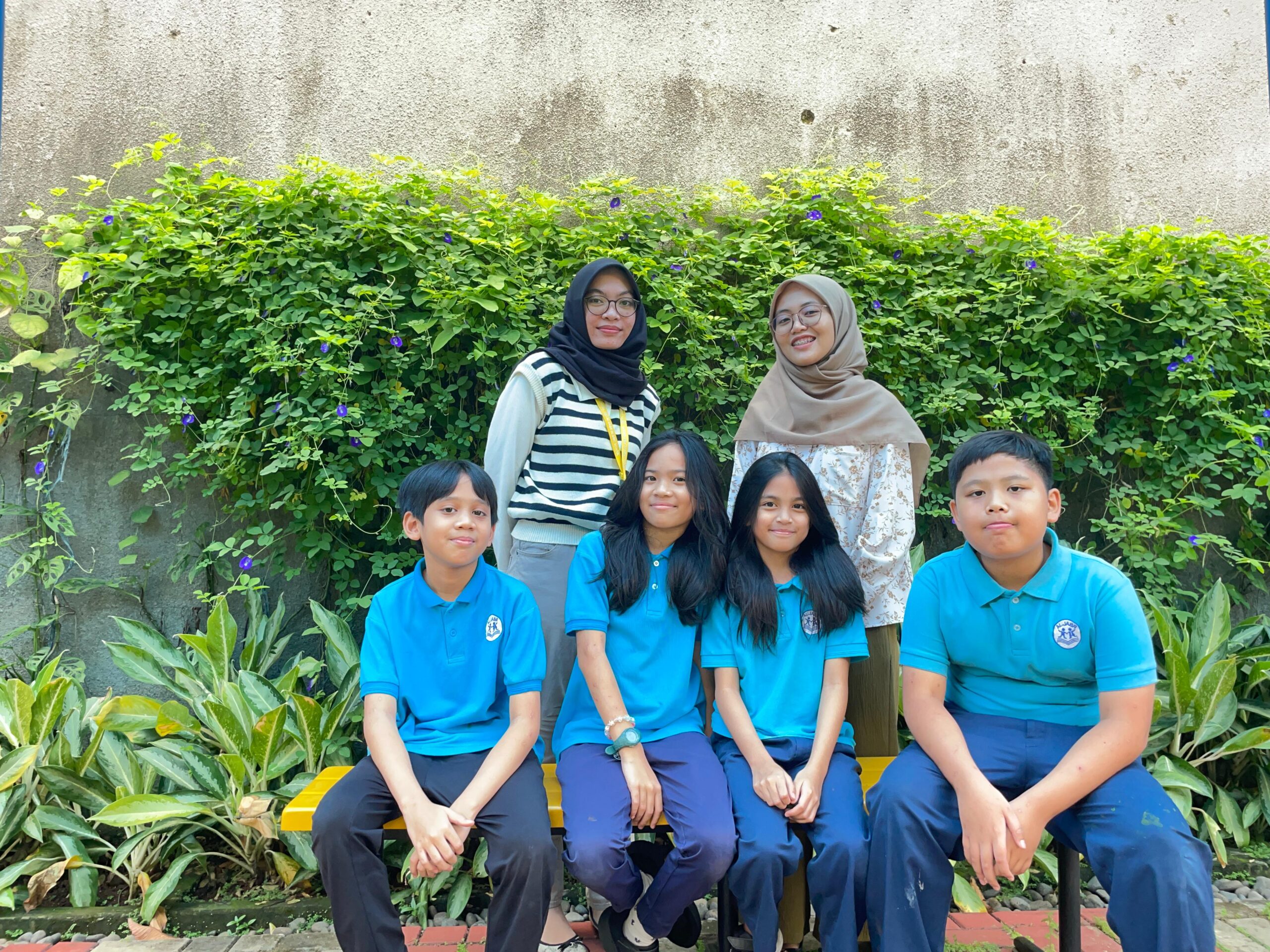
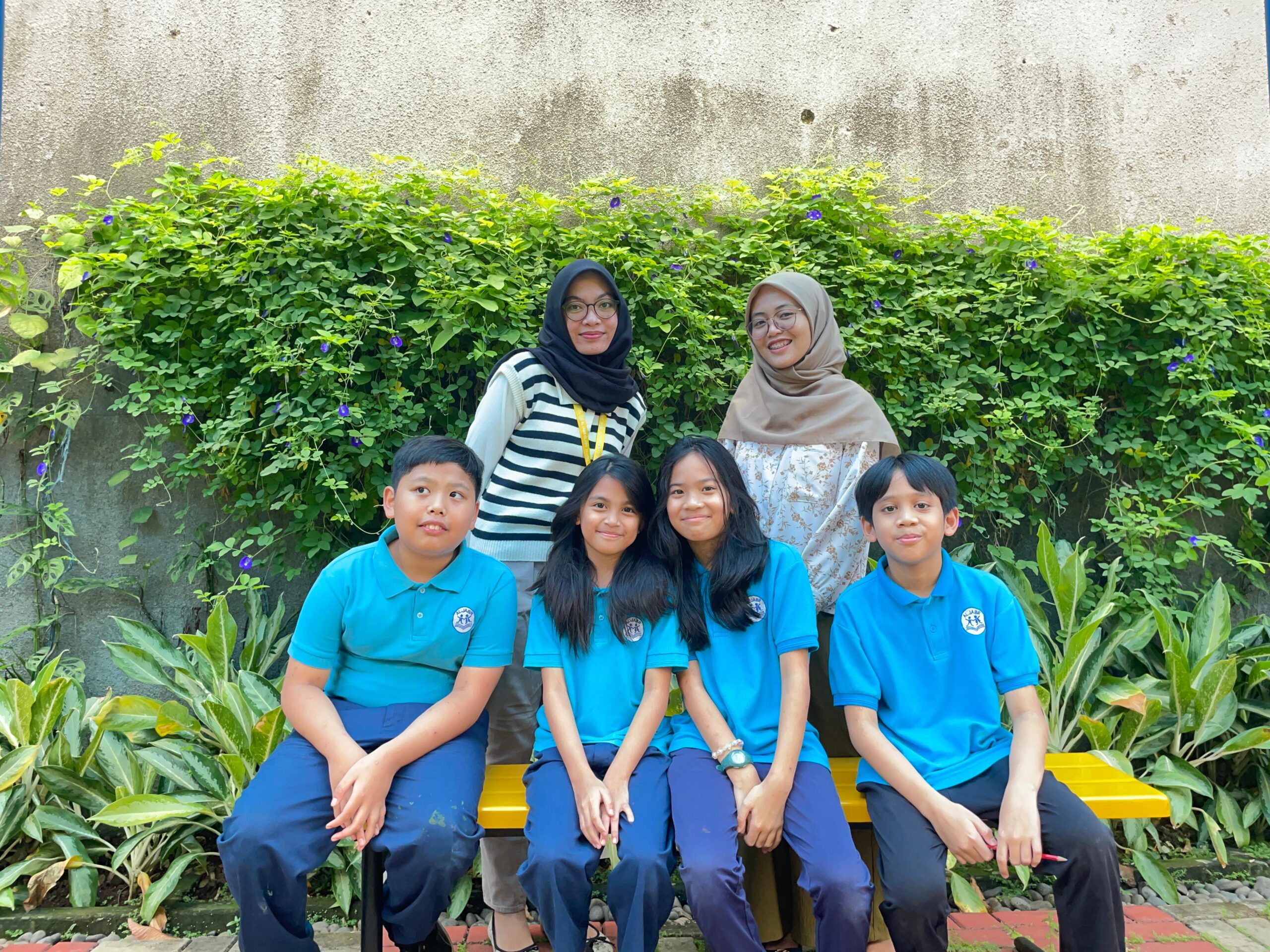
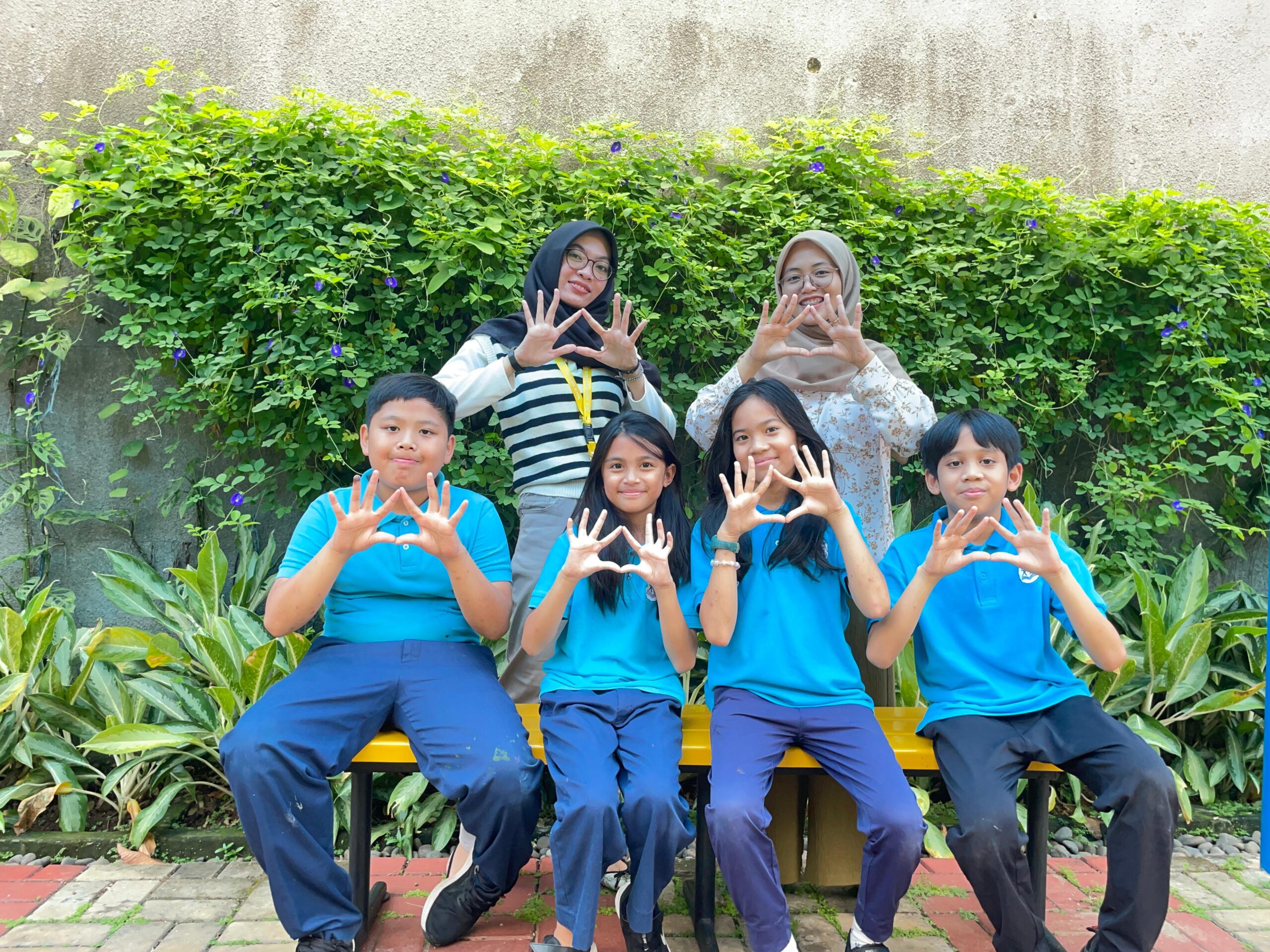
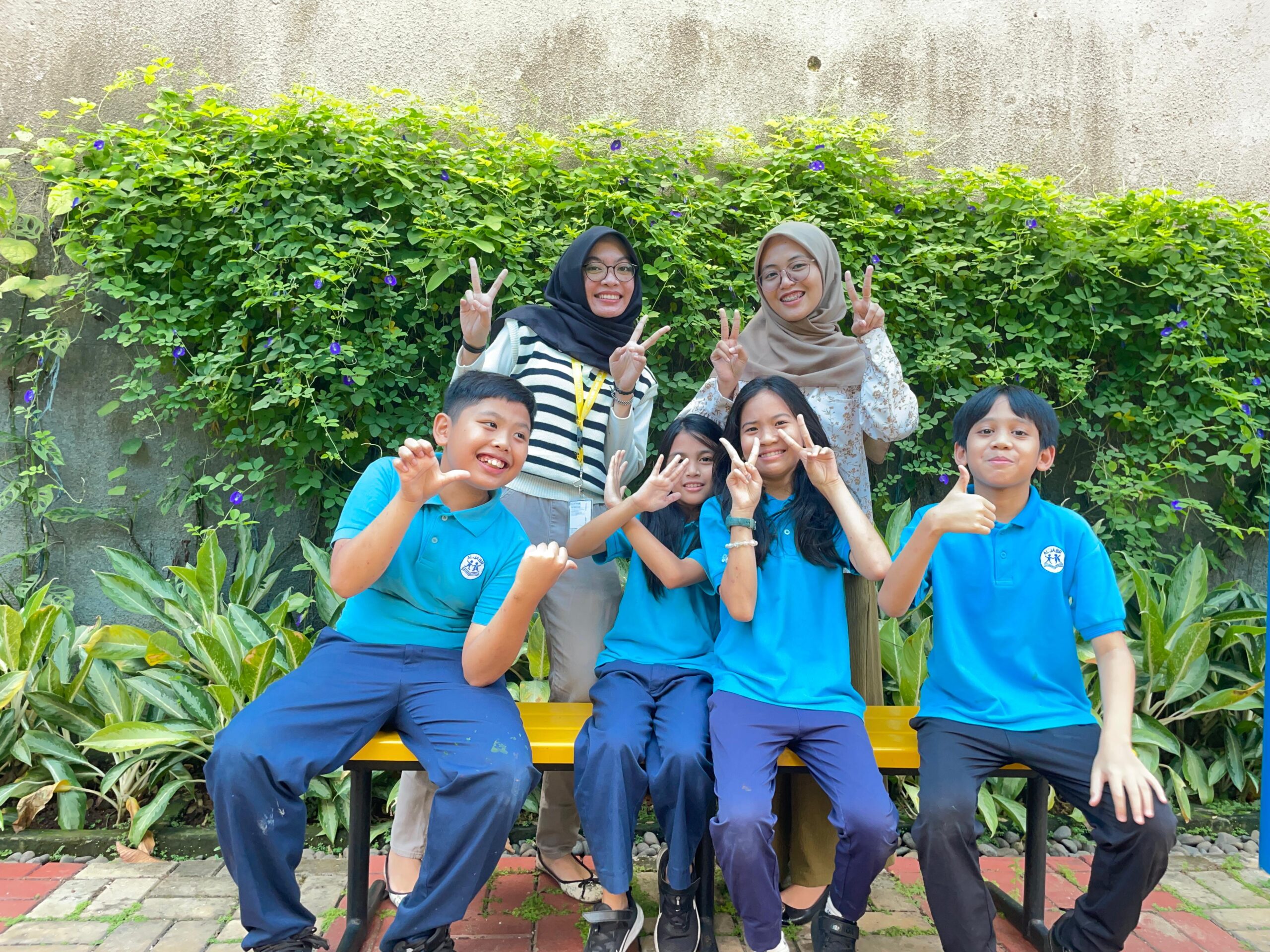
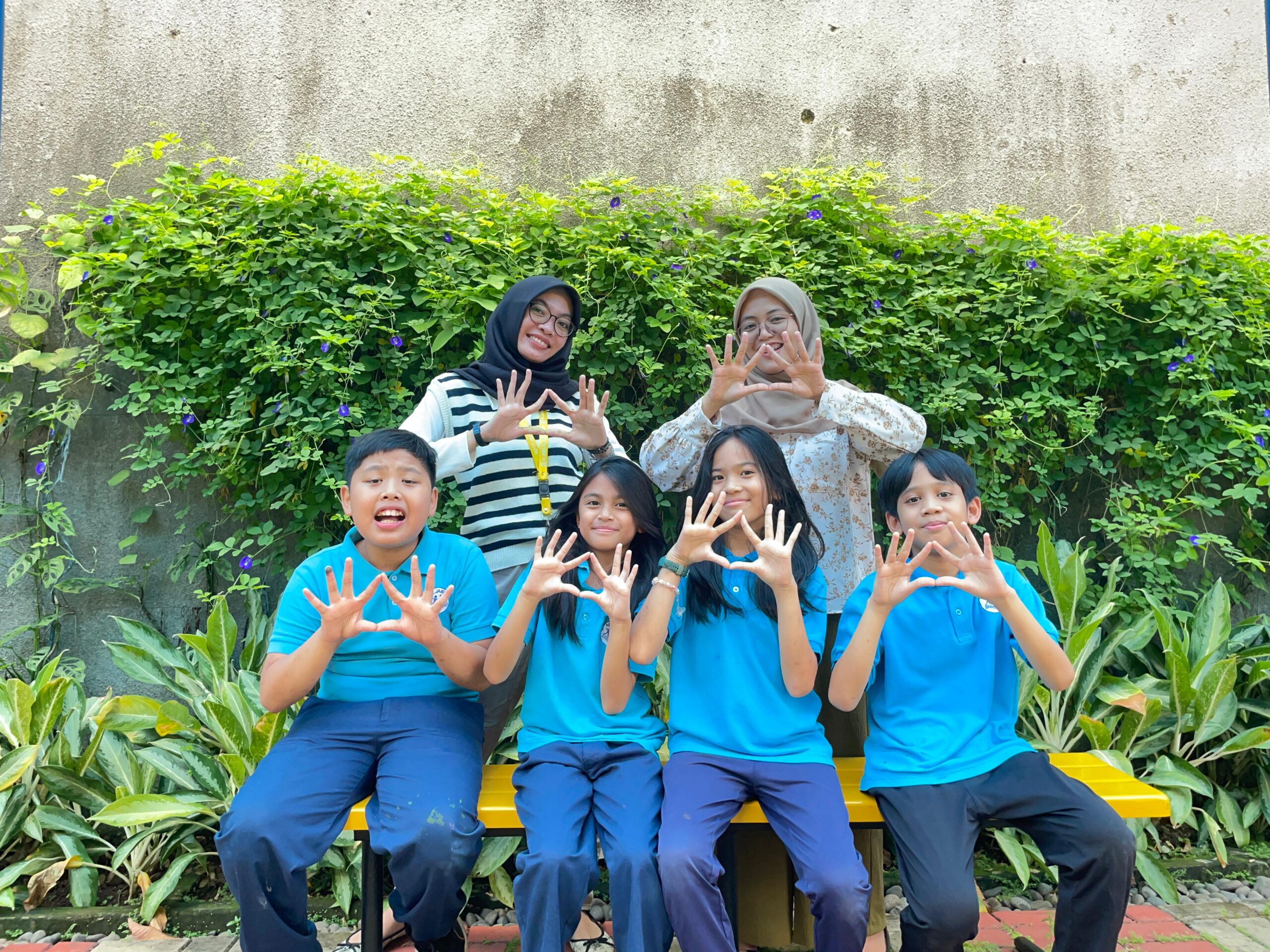
The Researchers

Hi, it's Haruka!
I went to fun field trips and got many knowledge from the experts. Sometimes, it is hard because we also get homework from our homeroom teachers and also homework for our action.
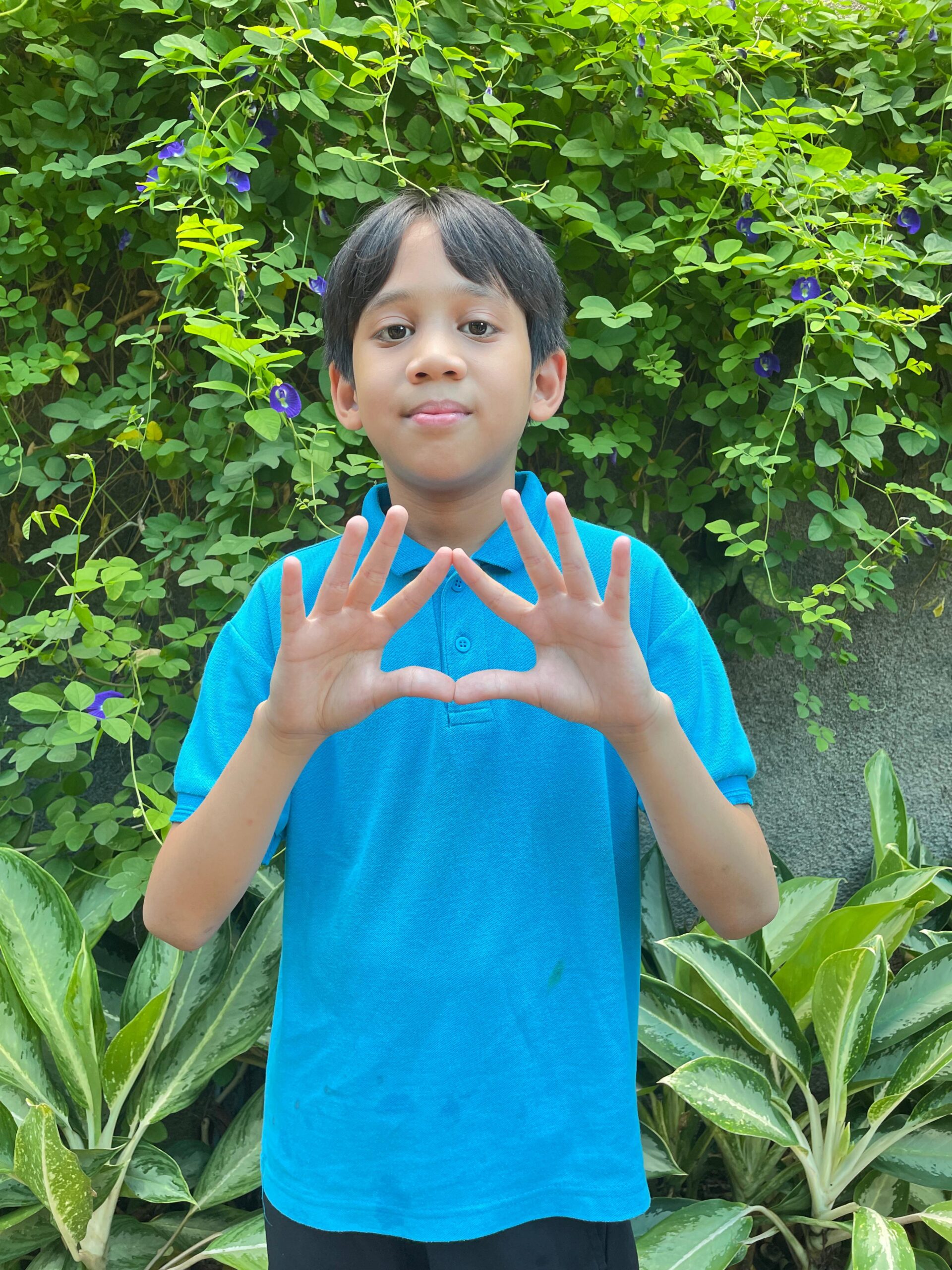
Hello, I'm Raushan!
In my exhibition journey, I went through a lot of fun field trips with my mentors and friends. There was also a time where I had so many homework so I was a bit stressed out.

Hi, I'm Kana!
I had a good experience from many field trips and a lot of research. I shared knowledge to other community (Labschool) and through planting class.
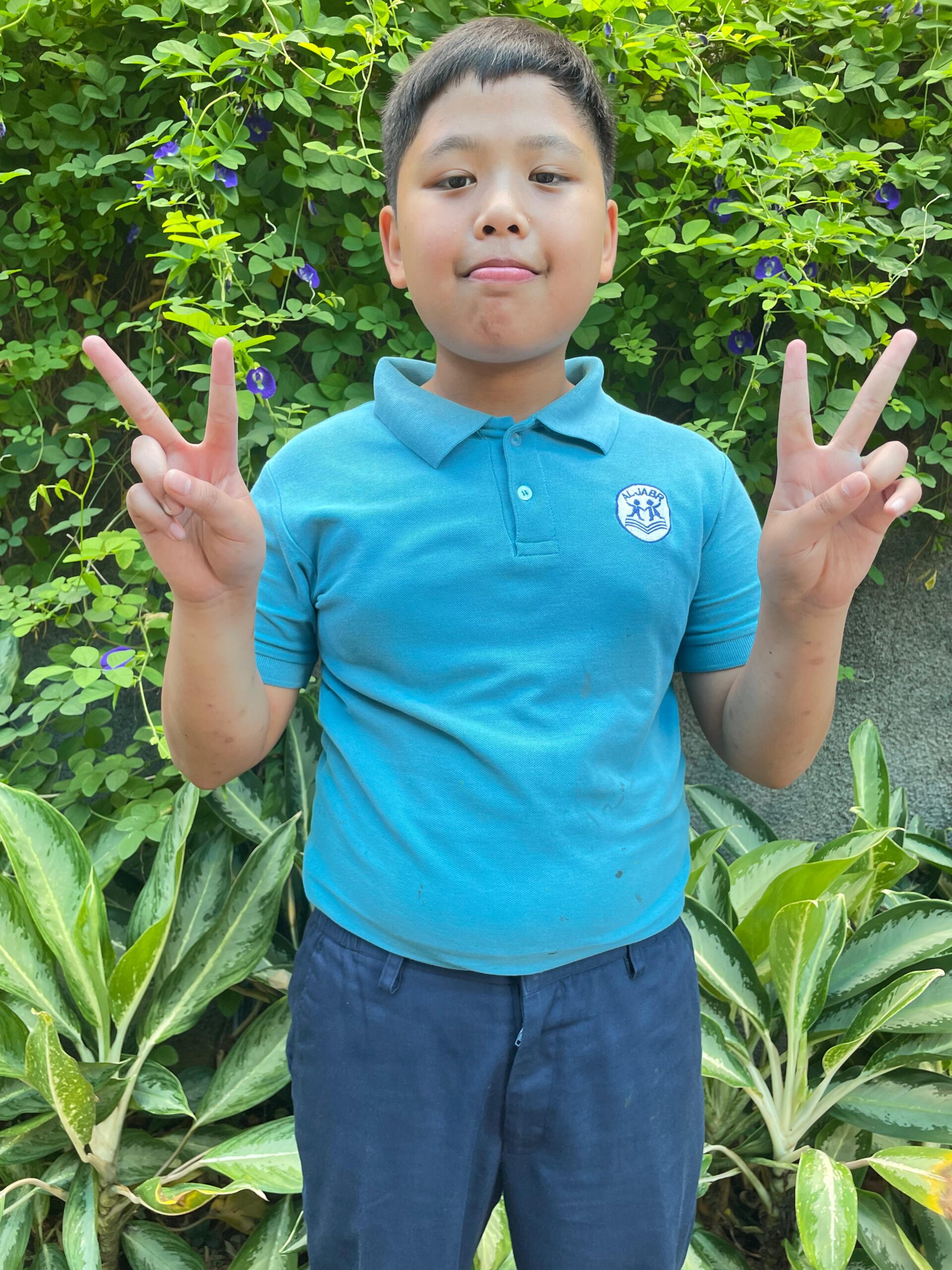
Bonjour, it's Ranafi!
My experience journey was very cool! From field trips, the experts, and more. It is fun because I can share my knowledge to another school and planting class.
Behind the Researchers
We are deeply thankful and thrilled to be part of this journey. Our students are not only thinkers and communicators but also inquirers who constantly seek more knowledge. It is truly inspiring to witness how they identify a minor issue that has a significant impact on our lives. Following and observing their journey from identifying a problem to taking creative and innovative actions is incredibly rewarding.
As mentors, we are immensely proud to witness the students reach their goals. We hope that their actions will inspire and educate more people to not only be aware of environmental issues but also to take small actions; to plant more natural purifiers.
(Ms. Syifa and Ms. Widi)
How the World Works
An inquiry into the natural world and its laws; the interaction between the natural world (physical and biological) and human societies; how humans use their understanding of scientific principles; the impact of scientific and technological advances on society and on the environment.
Central Idea
Plants can support the reduction of air pollution.
Key Concepts
Function,
Connection,
Responsibility
Related Concepts
Plants,
Pollution,
Health
Lines of Inquiry
The relationship between air pollution and human health. (connection)
What plants provide for us and other living things. (function)
Our responsibility towards challenge and risks of air pollution. (responsibility)
LEARNING GOALS
Identify the role of plants in sustaining life.
Analyze health issues and the impact.
Show responsibility to reduce air pollution.
SUCCESS CRITERIA
We are able to describe the function of plants.
We are able to identify the connection between air pollution and human health.
We take responsibility to reduce air pollution.
Sustainable Development Goals (SDGs)

Ensure healthy lives and promote well-being for all at all ages

Take urgent action to combat climate change and its impacts

Protect, restore, and promote sustainable use of terrestrial ecosystems, sustainably manage forests, combat desertification and halt and reverse land degradation and halt biodiversity loss
The Doughnut of
Planetary and Social Boudaries

Ecological Ceiling
Our Ecological Ceiling is air pollution because it is one of the major problems happening now in Jakarta. This causes so many effects to the social foundation that we choose.
Social Foundation
Our Social Foundation is health because our health is much affected by the air pollution.
WHY we choose this problem?
We chose this problem because Air Pollution and Health are two major things that are related. Air pollution can cause dangerous problems to our health, such as asthma, stroke, lung cancer, and more.
Al Qur'an Verse

QS. Ar-Ruum (30) verse 41
ظَهَرَ الْفَسَادُ فِى الْبَرِّ وَالْبَحْرِ بِمَا كَسَبَتْ اَيْدِى النَّاسِ لِيُذِيْقَهُمْ بَعْضَ الَّذِيْ عَمِلُوْا لَعَلَّهُمْ يَرْجِعُوْنَ
“Telah tampak kerusakan di darat dan di laut disebabkan perbuatan tangan manusia. (Melalui hal itu) Allah membuat mereka merasakan sebagian dari (akibat) perbuatan mereka agar mereka kembali (ke jalan yang benar).”
This verse explains that because human destroyed the Earth that Allah creates by making air pollution. Allah gave them a consequence which is sickness like lung cancer badly coughing and more.


A silent yet grave threat to human health, the unseen hazard we consume daily, it is the air pollution.
From the cities to rural areas, the impact of pollution is extensive and indiscriminate. Infiltrate our lungs, leading to respiratory illnesses, and even serious disorders. For every breathe that we take, we not only endanger our own well-being but also jeopardizes the health of future generations.
This crisis is not just about policy; it is an emergency call to protect all life on land.
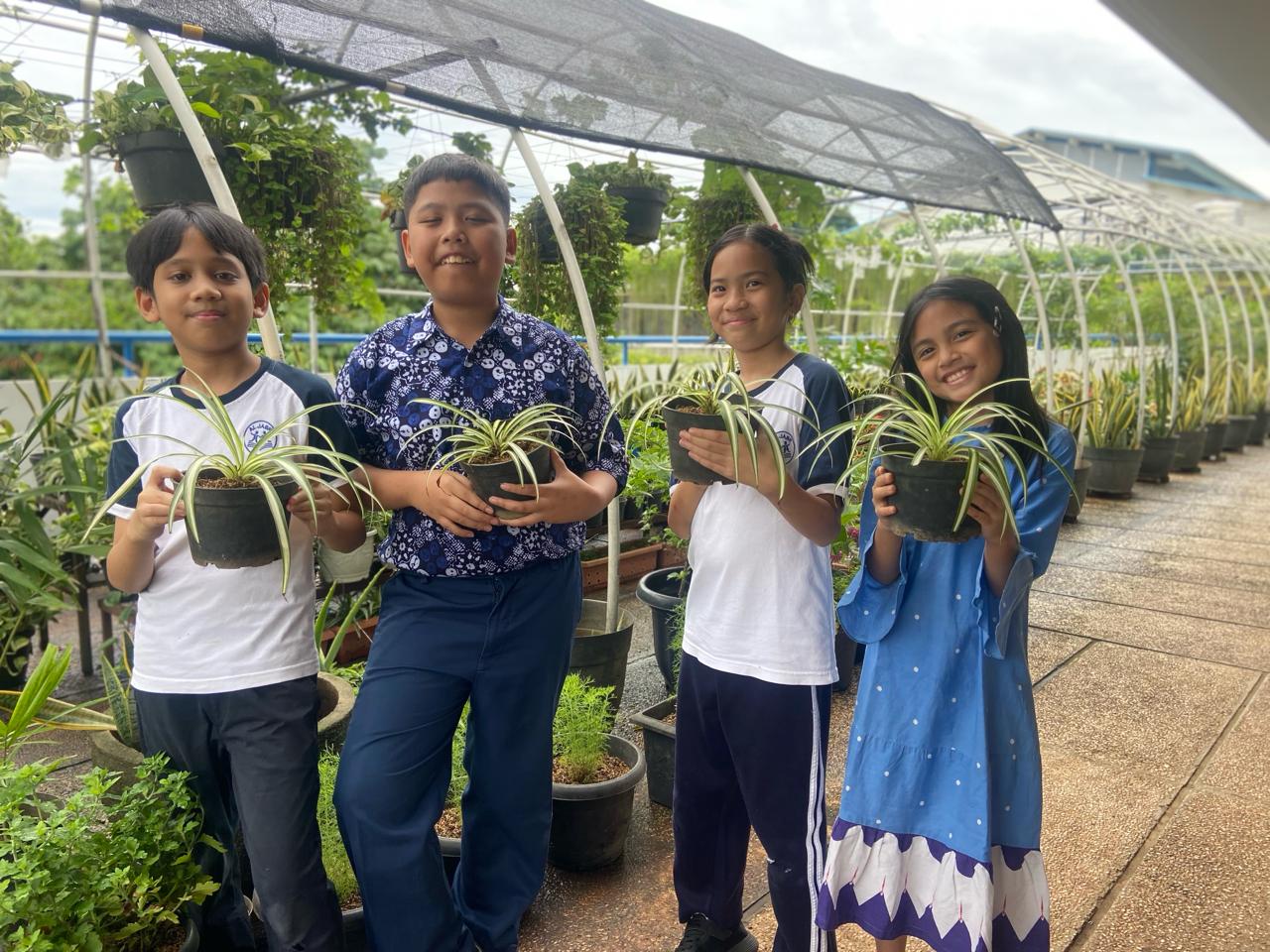
Here we are, Ranafi, Haruka, Raushan, and Kana, standing right before you. We will share our findings on what we can do to address this pressing issue. Remember, even small actions matter!
STEP i:
Identifying Globally Significant Issues
Exploring, Wondering, and Questioning
STEP iI:
Determining Timing and Time Frame
Making Connections between Previous Learning and Current Learning
To achieve our goals, we collaborate and formulate a timeline to ensure that the project runs well. To gain a better comprehension, we also invited the experts to share their perspectives on current situation of environmental issues. We plan to take an action within the specified time frame once we gathered enough information.
To achieve our goals in this PYP Exhibition, we collaborate and set the time lines. The students, teachers, mentors and parents collaborate effectively and give feedback throughout the process. To monitor the progress, we have mentor meeting three times a week and PYP Exhibition journal to be completed.
The Learning Continuums
These are the connections between our topic with our previous learnings.
Kindergarten 1
Unit 4:
Plants
Living things sustain life on Earth and play a role in our lives.
in this unit, we learned about how plants contribute to life on Earth.
GRADE 2
Unit 6:
Natural Habitats
Human interactions with natural habitats have impacts on other living things.
in this unit, we learned about balance between rights and responsibilities when interacting with natural habitats.
GRADE 3
Unit 1:
Human Body System
Effective interactions inside human body systems contribute to their health and survival.
in this unit, we learned about the impact of lifestyle choices on our body.

the Guest Speakers
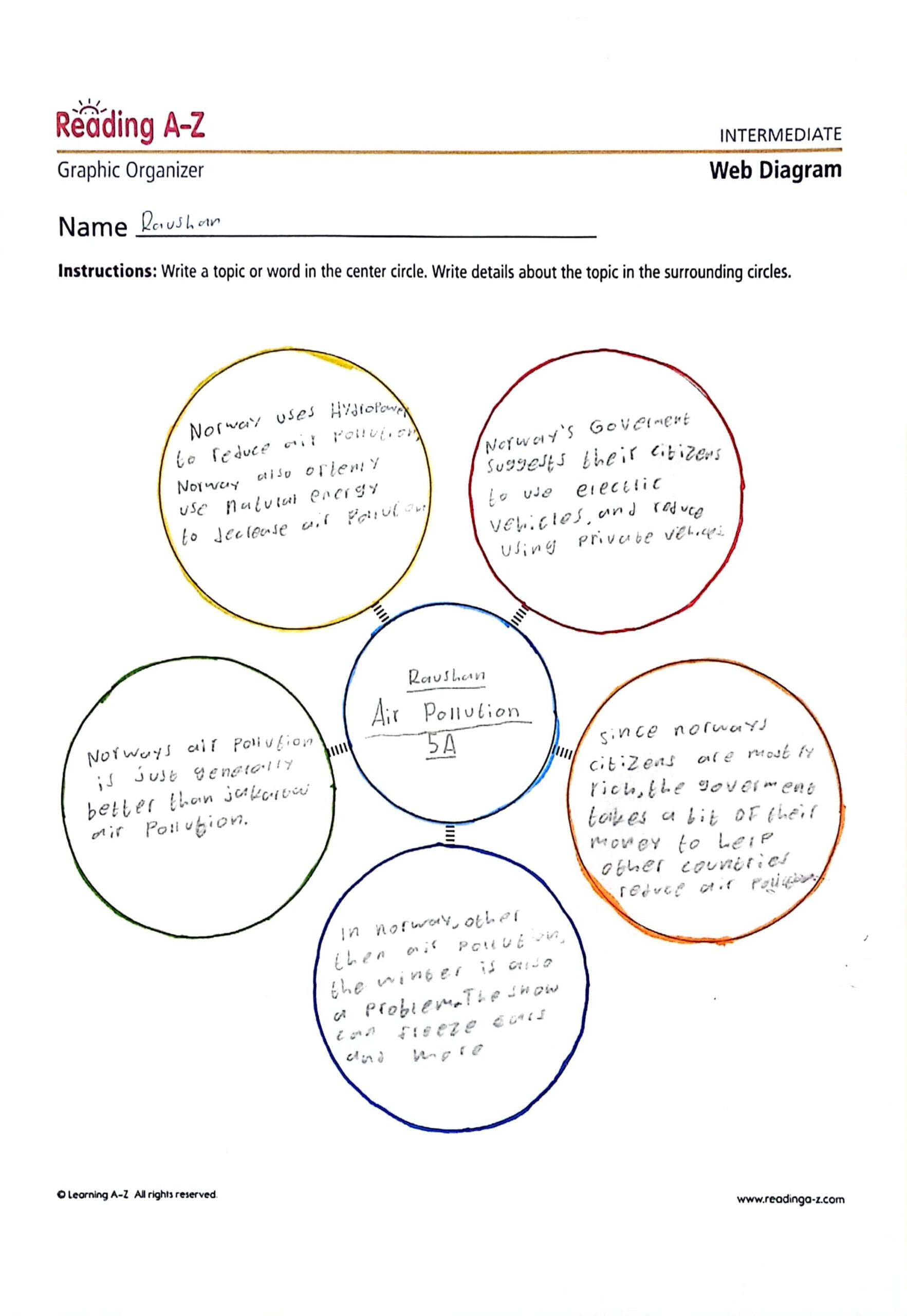
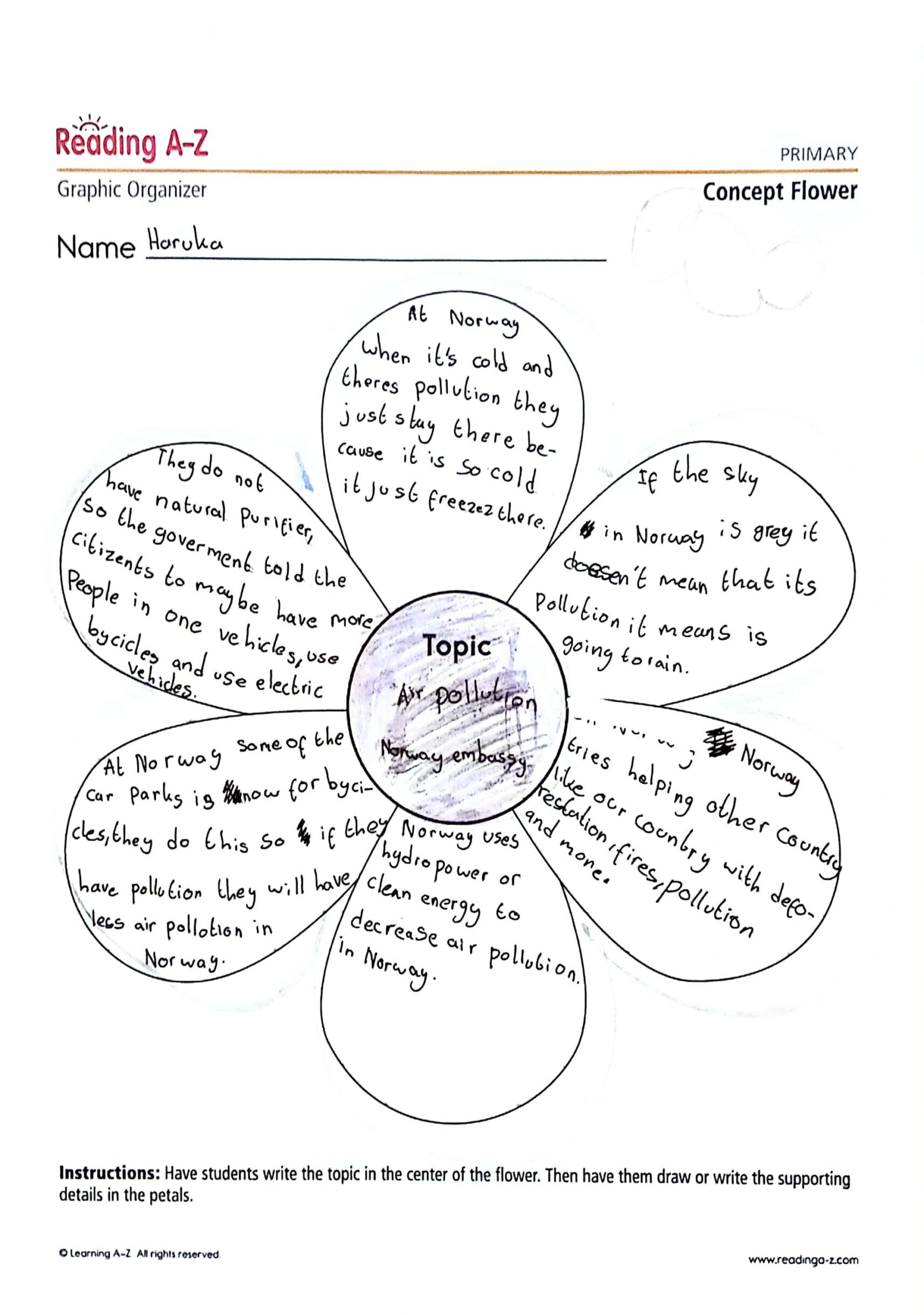
From our interview and discussion with the people in Norway Embassy, now we know that the major causes of air pollution are included: the emissions from transportation, open waste burning, and Industrial activities.


From our interview and discussion with the people in Dinas Lingkungan Hidup, we know the causes of air pollution in outdoor and indoor rooms. The major causes of air pollution in indoor rooms are included: wall paint (chemical), mite animal hair, microorganism, smoke, etc. The poor air quality will have an impact on health.
This leads to many types of respiratory diseases which made over 100,000 cases on: cough, asthma, ISPA, pneumonia, lung cancer, and etc. Other than that, PPRDPU (Penanggulangan Penyakit Respirasi dan Dampak Polusi Udara) also found that there are over 630,000 cases of respiratory diseases caused by air pollution.


STEP iII:
Engaging Support from the Learning Community
Collecting Data and Reporting Findings or Researching and Seeking Information
To answer all of our questions we collected in Step 1, we invited the experts in handling air pollution through interview. There are Norway Embassy, Dinas Lingkungan Hidup, Carbon Ethics, and BRIN (Badan Riset dan Inovasi Nasional). We gained many new insights about the things we are curious about and things we could possibly do as our action.
From our interview and discussion with Carbon Ethics, we know that the effective way to reduce the air pollution are to plant more trees, use public transportation, and use vehicles that do not produce pollution.


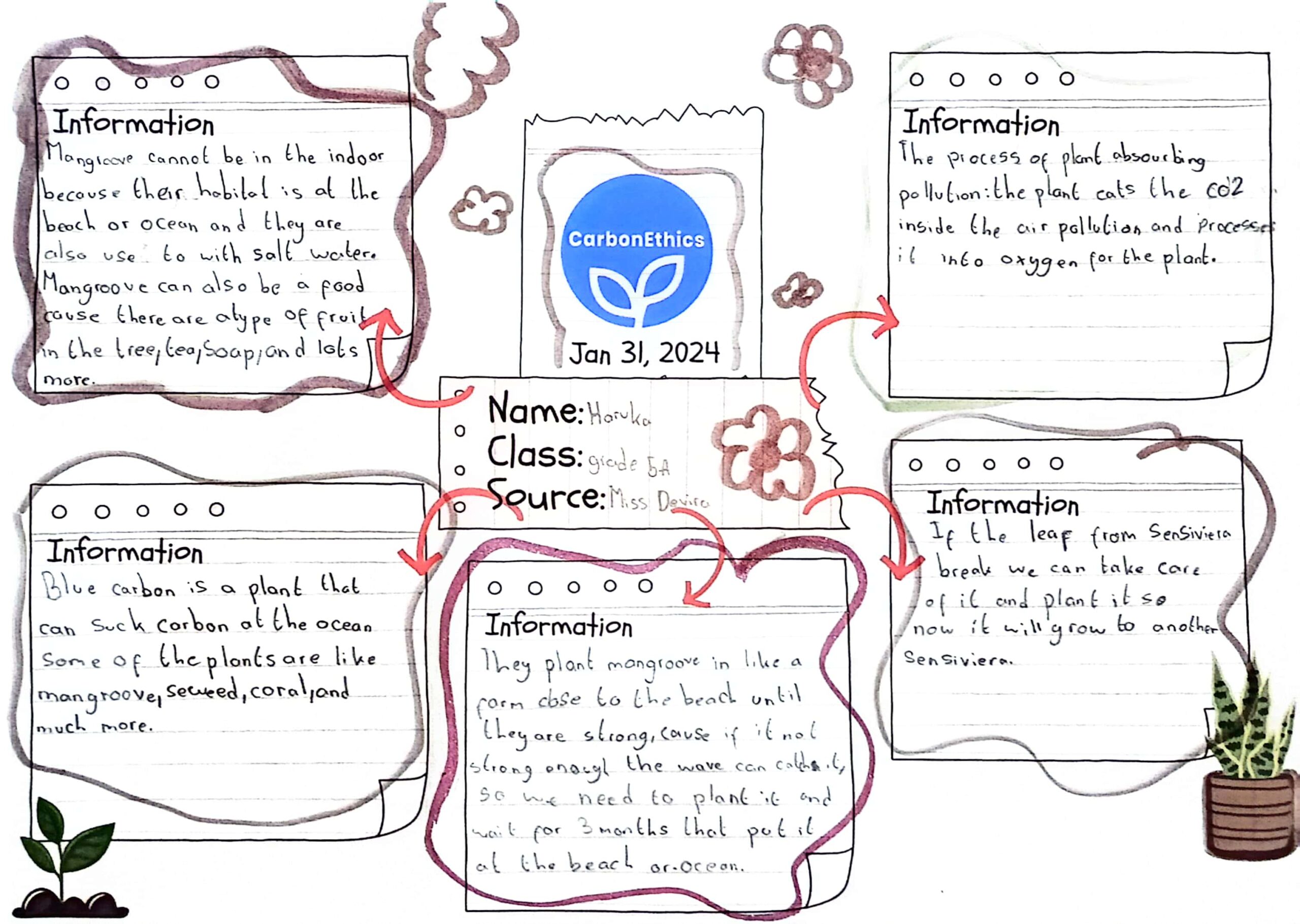
From our interview and discussion with Badan Riset dan Inovasi Nasional, we know that the most effective way to reduce the air pollution is to plant more trees, because plants can absorb the carbon dioxide.


STEP iV:
Organizing Learning
Experimenting and Playing with Possibilities Solving Problems in a Variety of Way
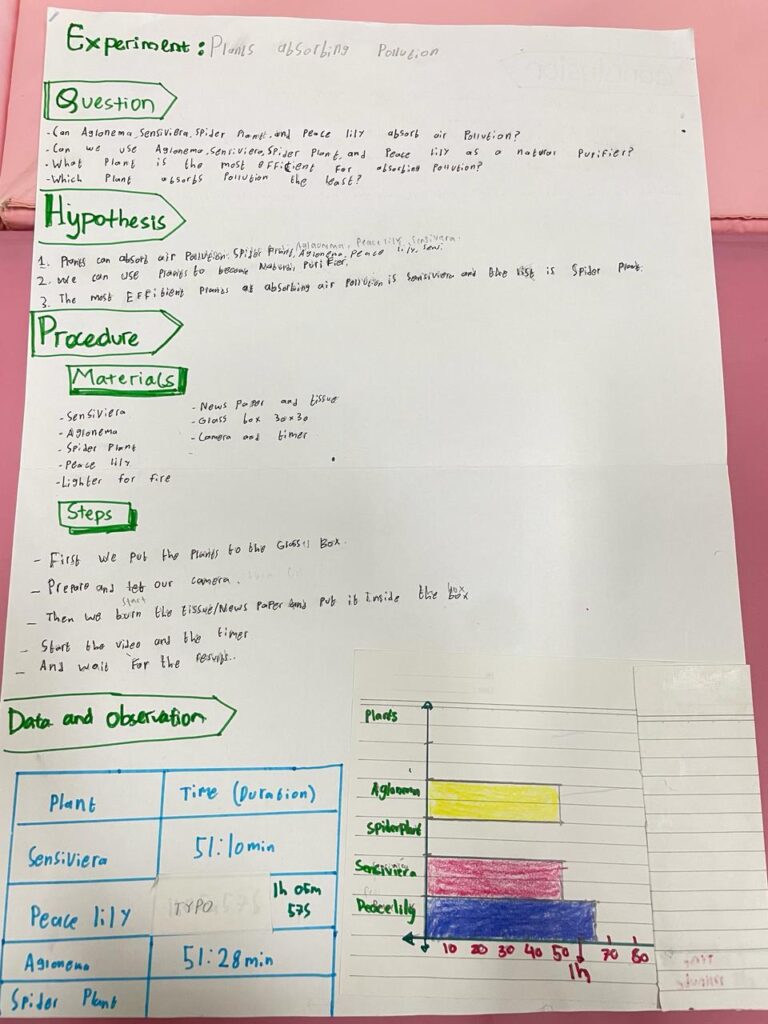
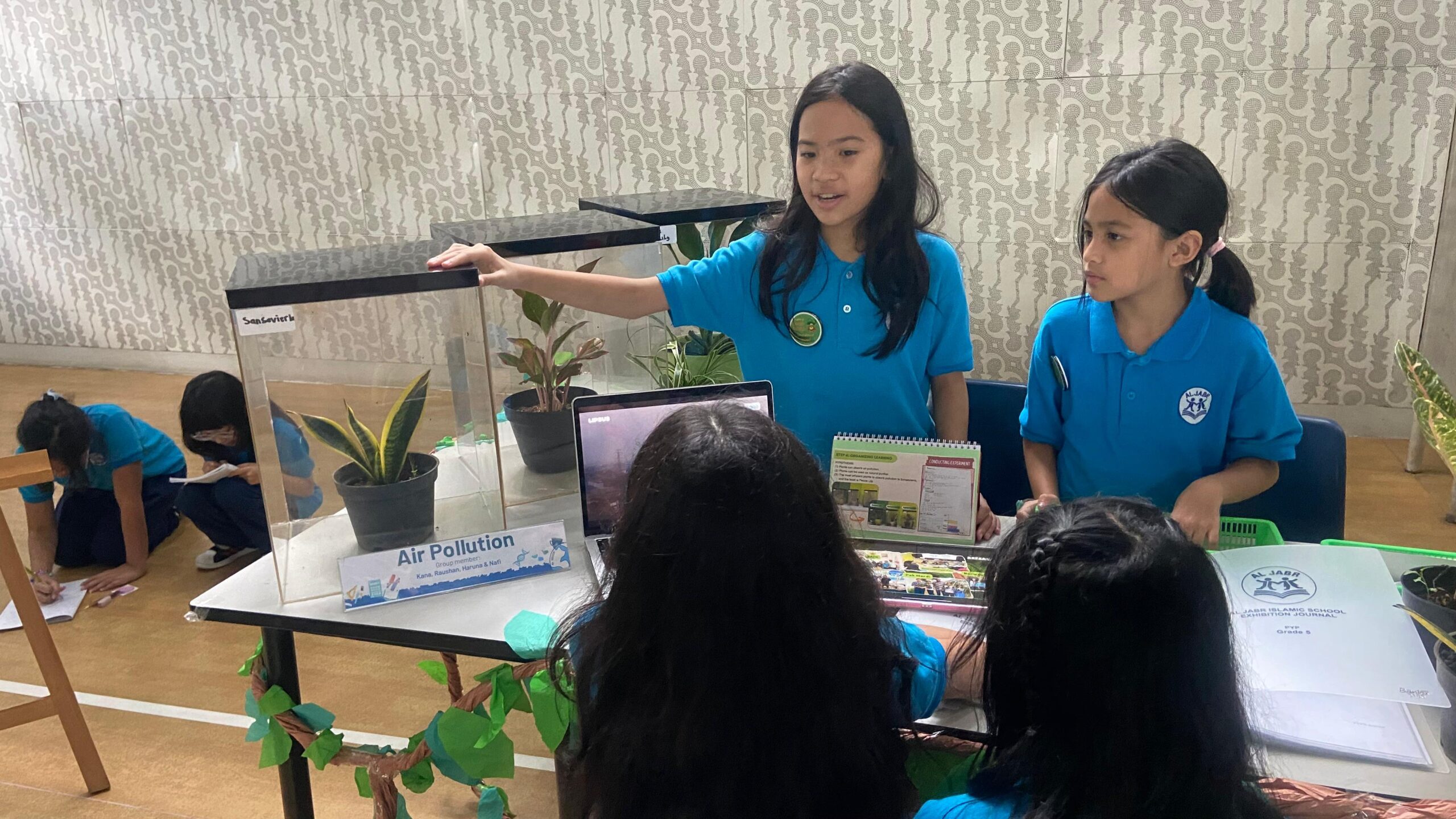
After collecting data from the experts, we decided to further our learning through an experiment. We applied our thinking and research skills by conducting an experiment on several plants that can absorb pollutants. This experiment aims to get physical proof that the plants can absorb air pollution and which plant can absorb better (more efficient) than others.
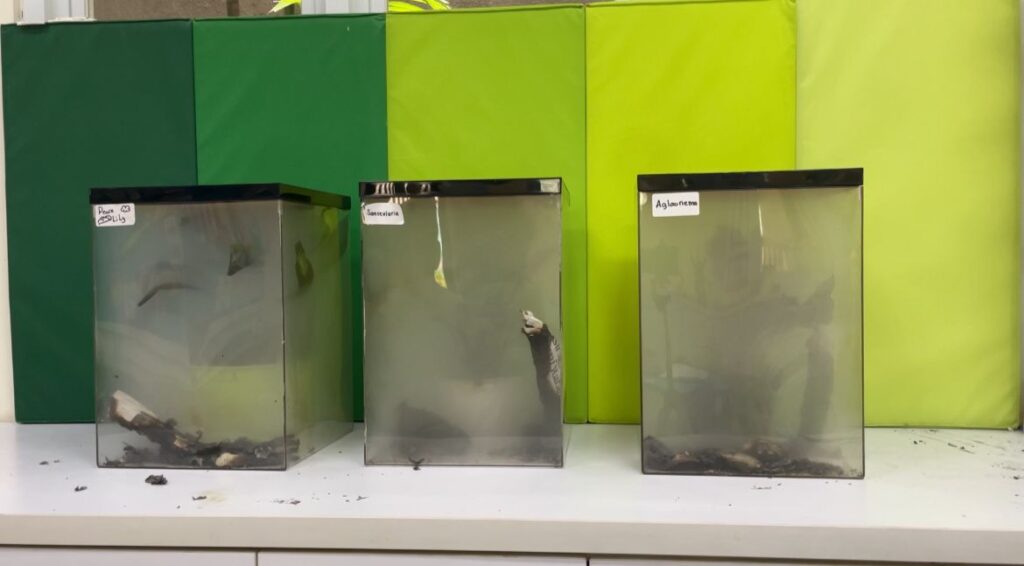
The experiment starts off with three glass boxes contain 3 types of plants (Sansevieria, Aglaonema, and Peace Lily). Then, we put each plant in each box. When the plants are inside the box, we light up newspapers to create smoke. Then, we close the box and record the process.
Our hypothesis towards this experiment are the plants can absorb air pollution, the plants can be used as natural purifier, the most efficient plants to absorb pollution is Sansevieria and the least is Peace Lily.


The procedure
Materials
- 3 types of plants; Sansevieria, Aglaonema, Peace Lily
- Lighter for fire
- Newspaper
- Tissue
- Glass boxes 30 x 30 cm
- Camera
- Timer
Steps
- Put each type of plants into the glass boxes
- Prepare and set the camera
- Start the recording
- Burn the tissue/newspaper and put it inside each box
- Start the timer
- Wait for the results
data and observation
Before
after


During the observation process, These are the results. From the data, Sansevieria is the fastest plant to absorb the smoke or pollution. Sansevieria took up to 51 minutes and 10 seconds to absorb the pollution/smoke. The slowest plant is Peace Lily, Peace Lily took up to about 1 hour and 5 minutes to absorb the pollution/smoke.
Discussions
Parents-Mentors Meeting
STEP V:
Monitoring the Exhibition
Taking and Depending a Position
We monitor the progress of our exhibition project by joining a mentor meeting three times a week every Monday, Wednesday, and Friday with all members and all mentors. We put ideas we had during discussions, we combined ideas and suggestions from our mentors and the experts in the exhibition journal.
SELF-ASSESSMENT
- We learned the process of photosynthesis.
- We learned types of plants that can absorb pollution.
- We learned types of pollutants in indoor rooms.
- We can successfully share knowledge to other people.
- We collaborate well.
We are grateful that we can share knowledge to other people, and get knowledge for our own.
Reflects Upon and
Modifies Inquiry
We feel great because we shared our knowledge and exhibition topic to others through our “Planting Class”.
In our “Planting Class”, we initially open only for 30 students. Unexpectedly, there was a lot of interest from other students and classes (around 60+). As a result, we divided Batch 1 into 2 sessions. After completing the Batch 1, we received many other requests to reopen the “Planting Class”. Therefore, we conducted 2 sessions in Batch 2 the following week.
STEP VI:
Sharing the Exhibition
Establishing and Testing Theories
After we have done the experiment, we decided to plan our action by using GRASPS (Goal, Role, Audience, Situattion, Product or Performance, Standard).

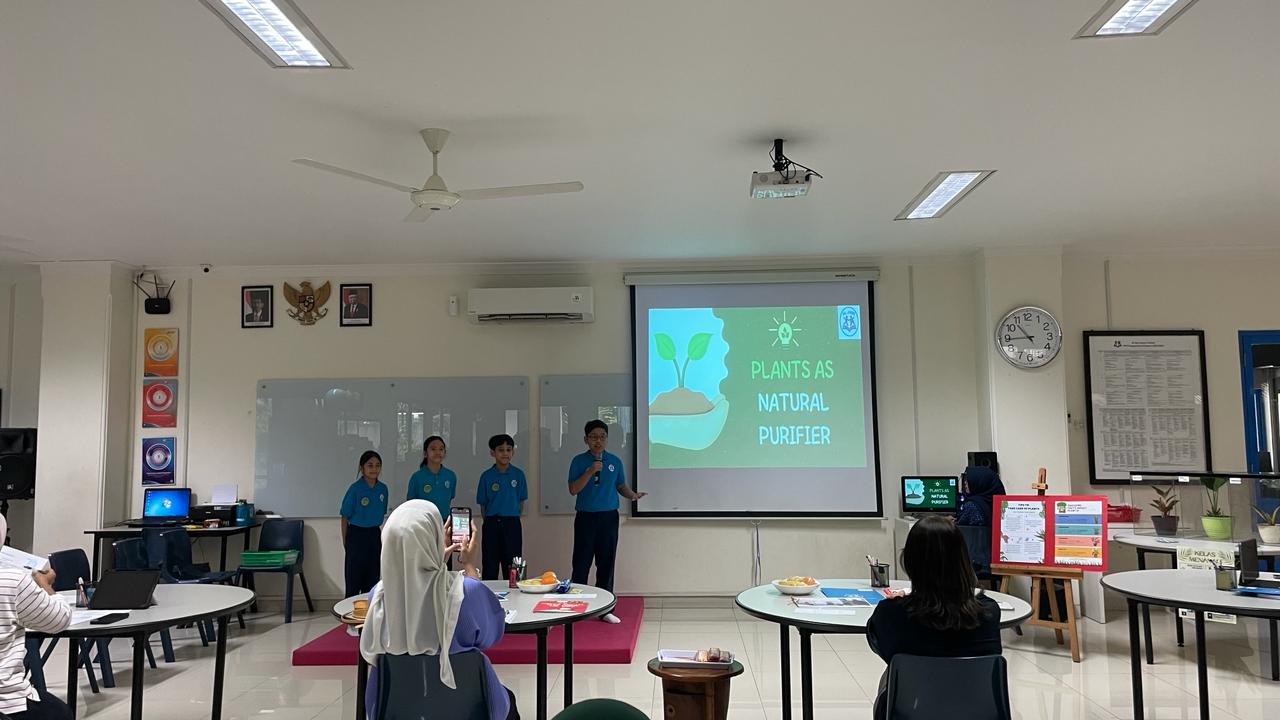
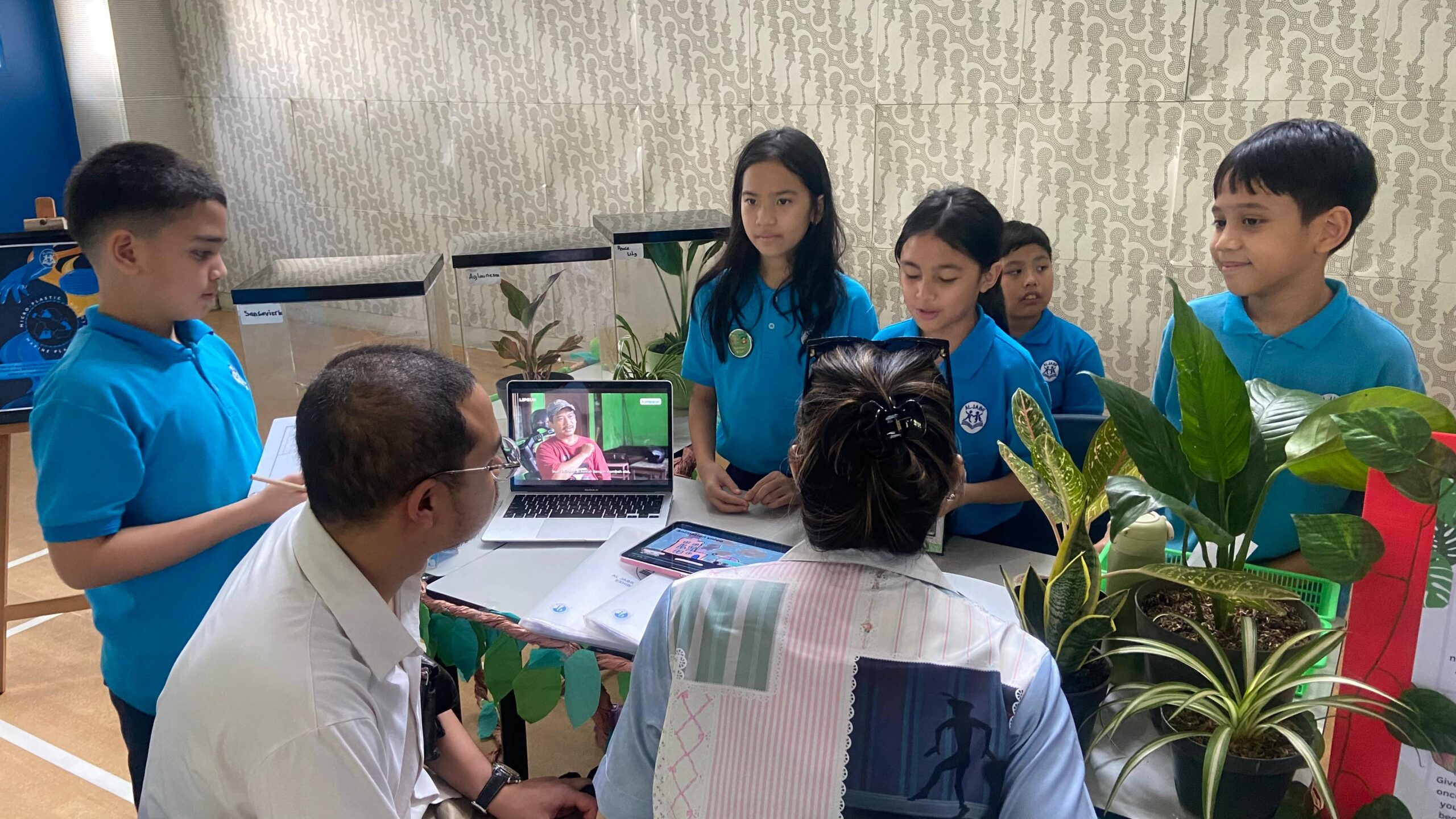
To share our knowledge, we planned 2 types of action; Advocacy and Social Entrepreneurship.
Animation Video

Our Action to Al Jabr Community
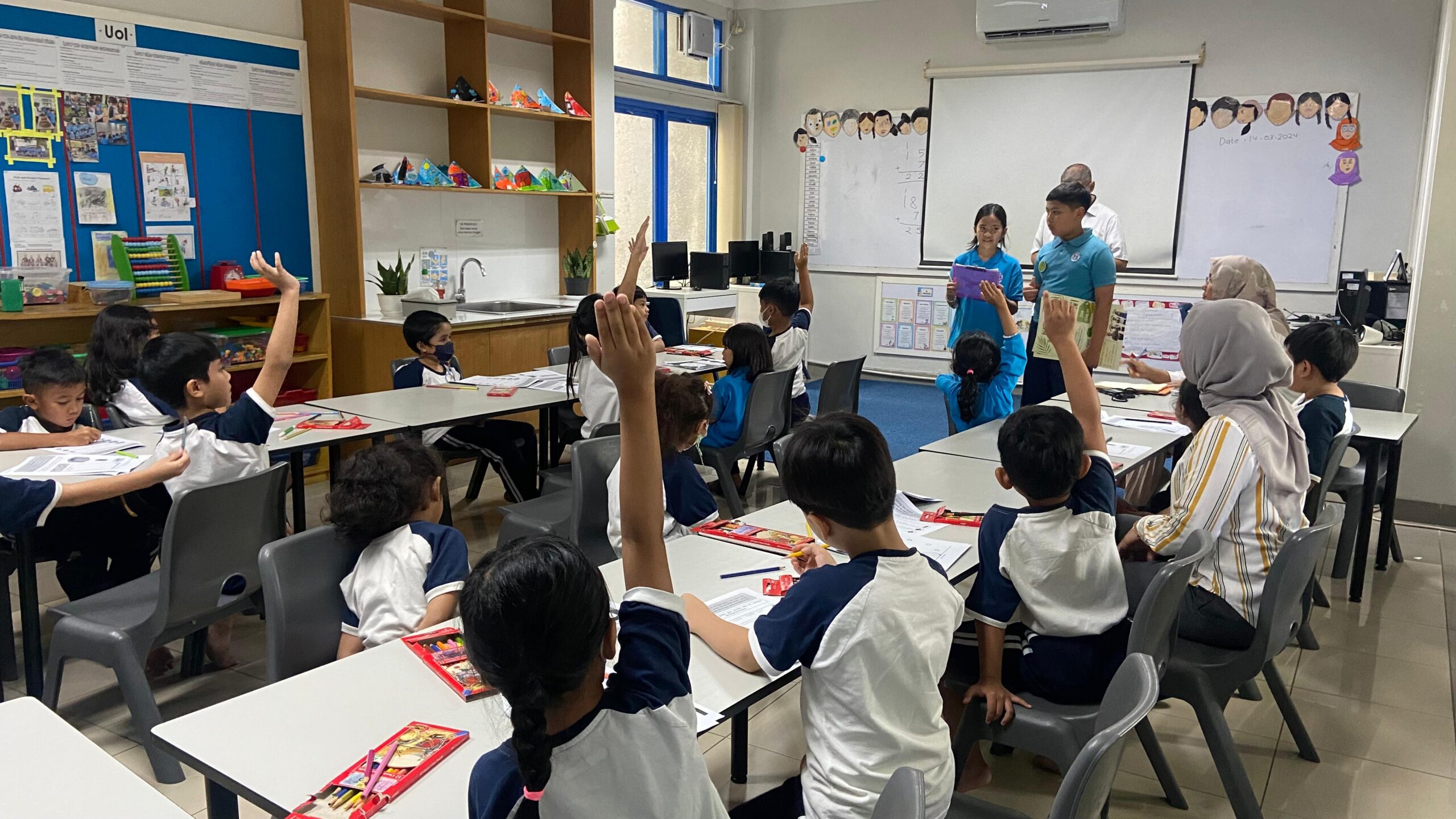
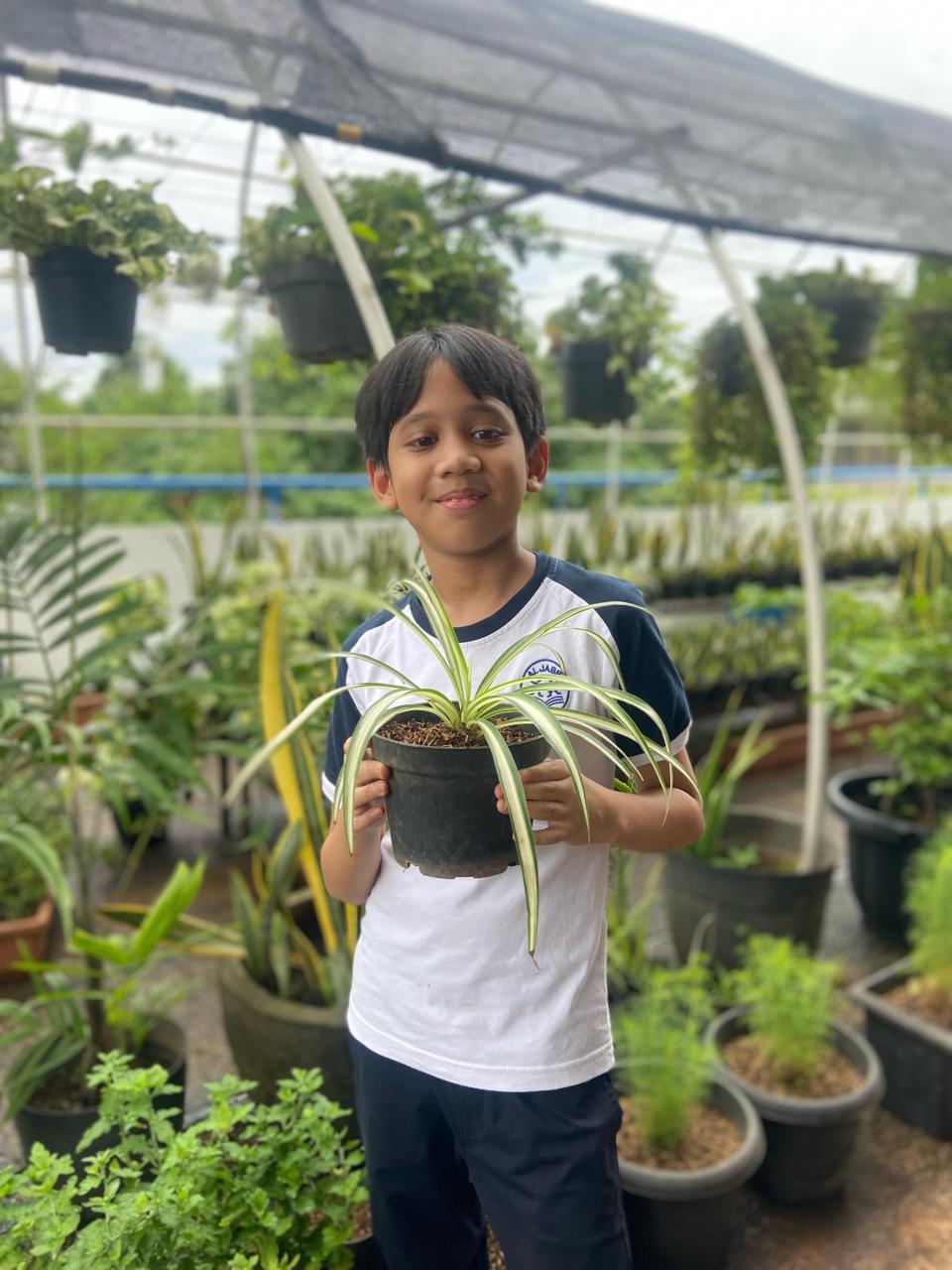
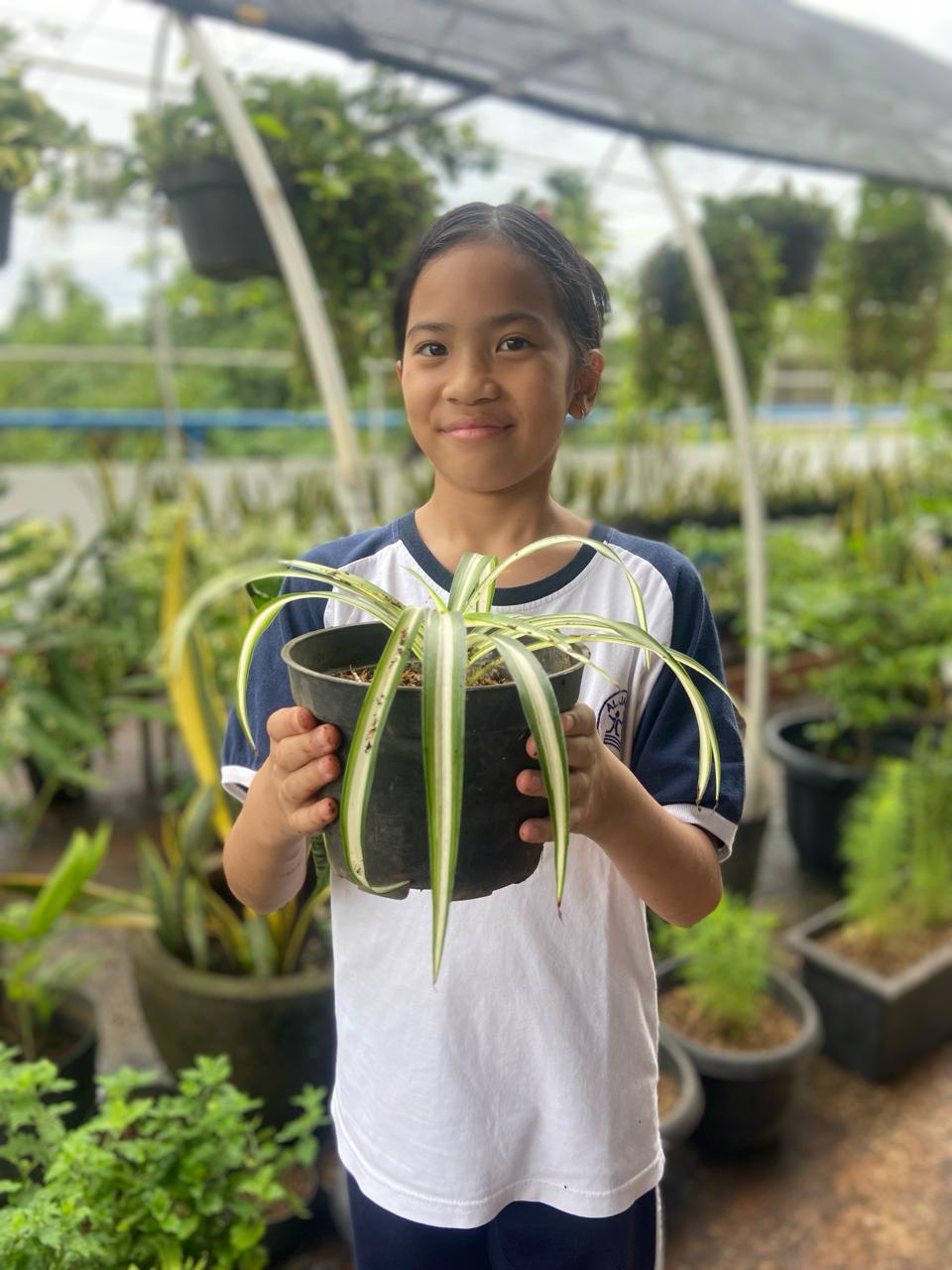
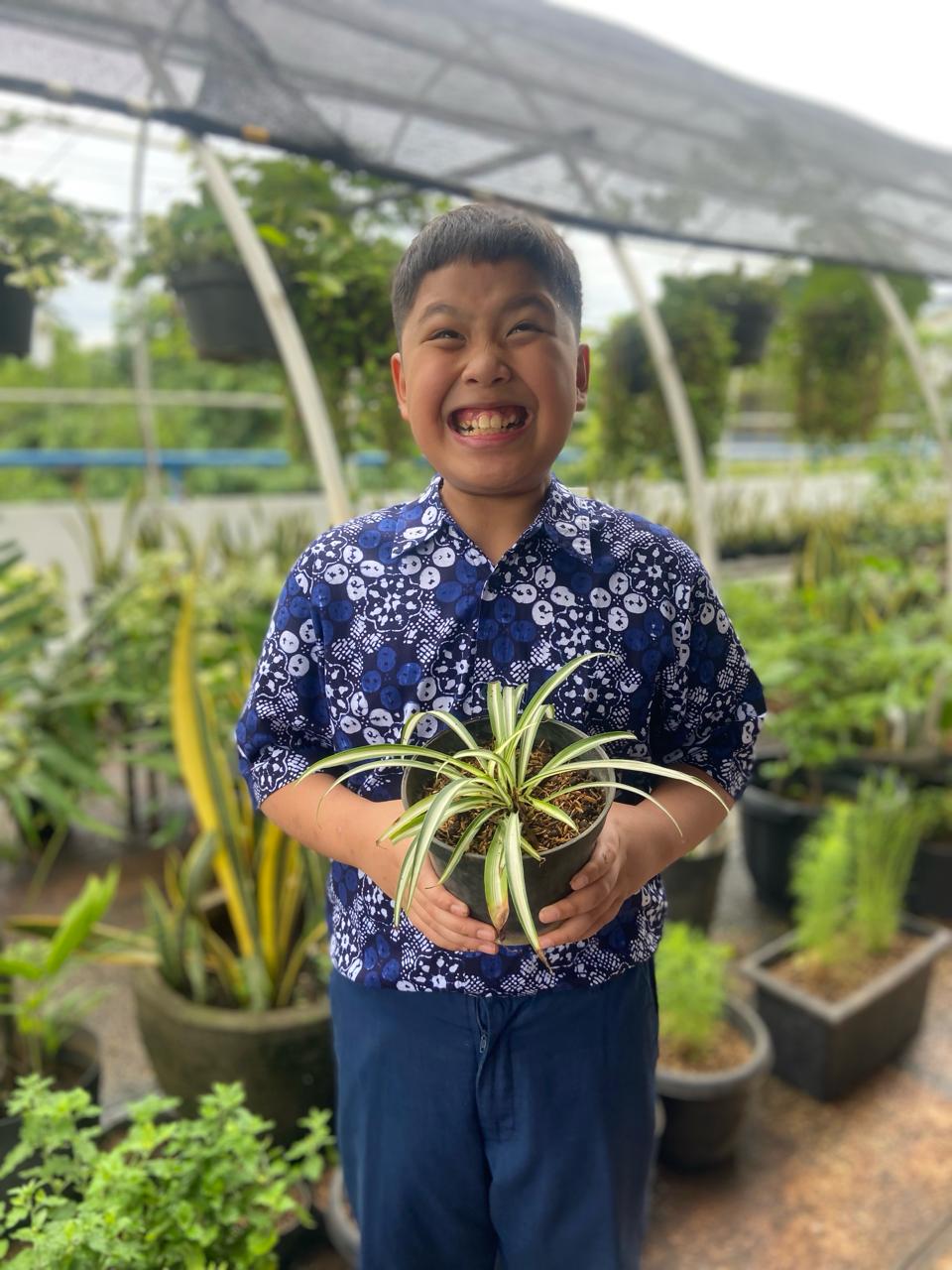
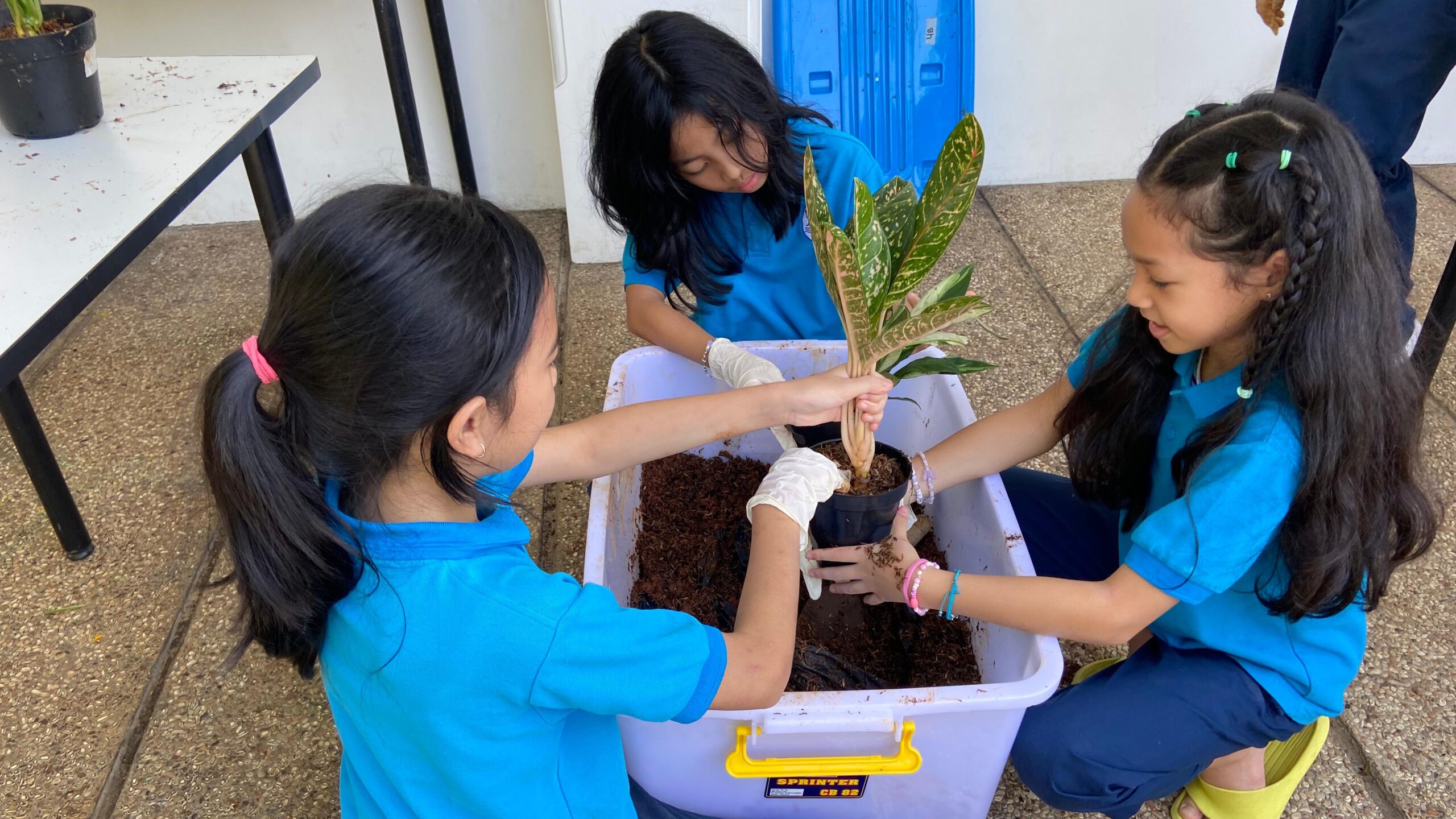
First, is when we share the knowledge to our close community which is Al Jabr Learning Community. We educate Al Jabr students about how plants can be used as natural purifiers and can absorb pollutants, also the importance to plant more trees. We also invite them to join the “Planting Class” to experience it.



Workshop with Pak Mardi
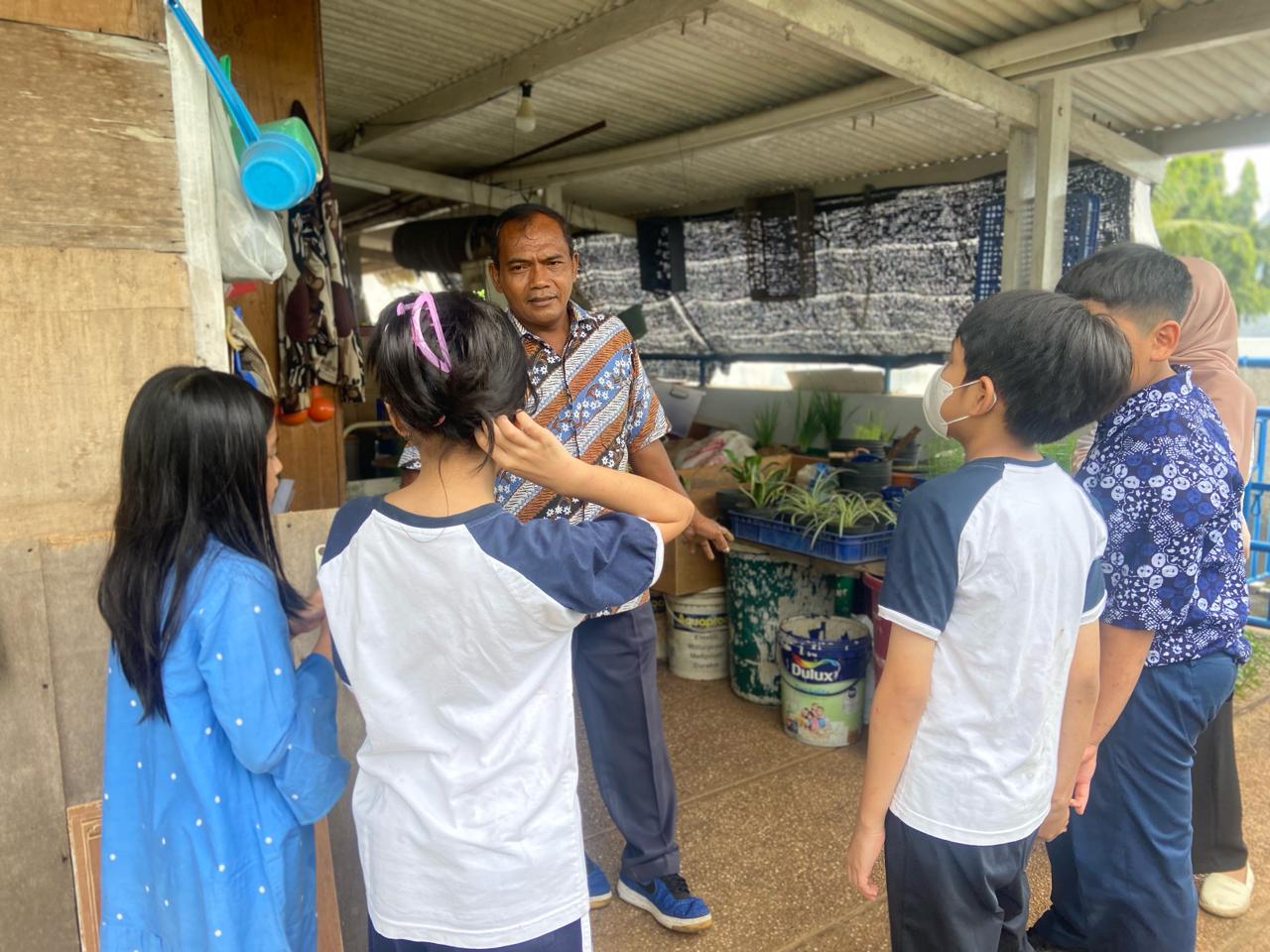
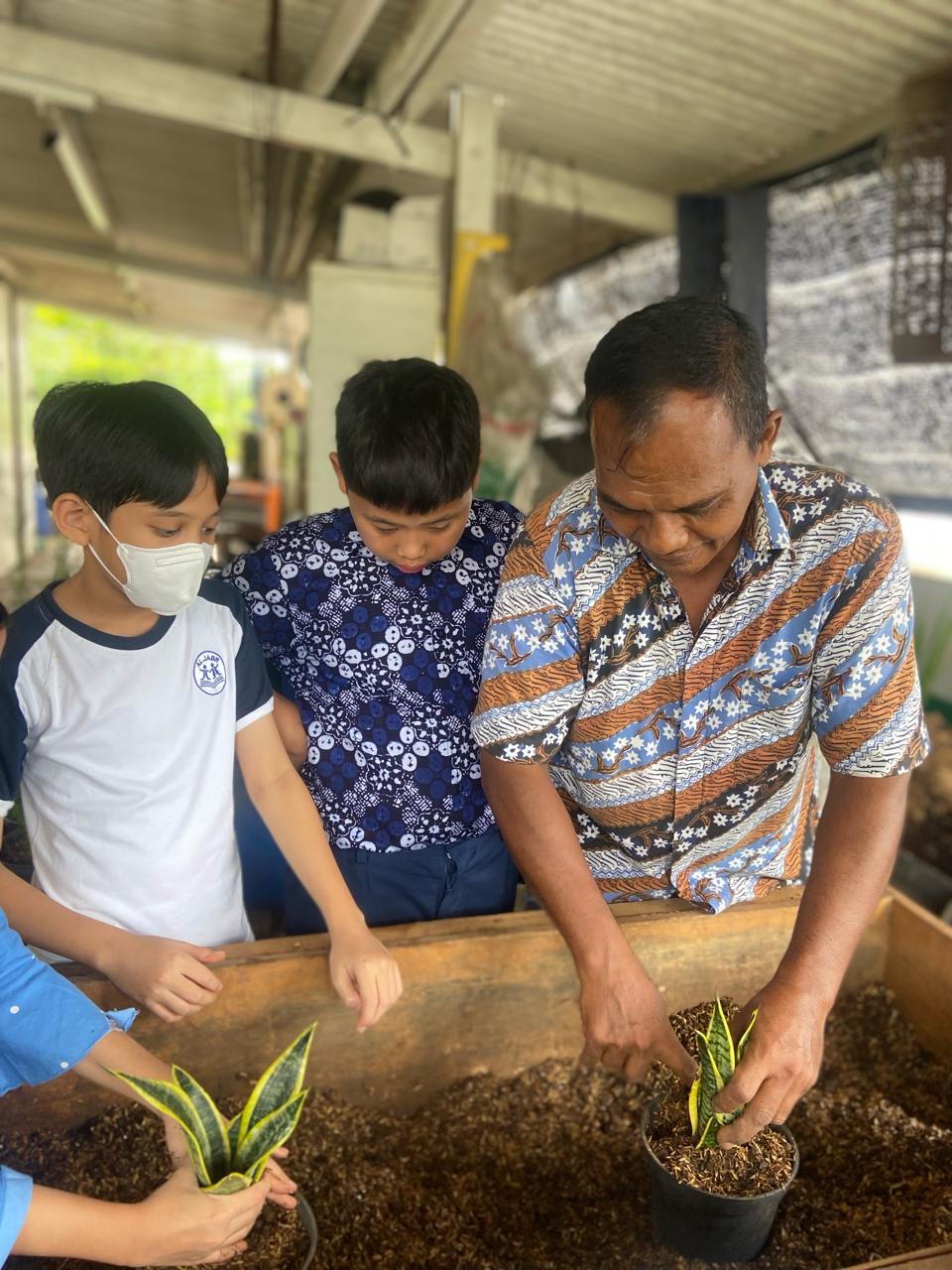
Other than just sharing knowledge, we also collaborate with Pak Mardi on how to how to plant trees properly from the start and how to take care of the plants.

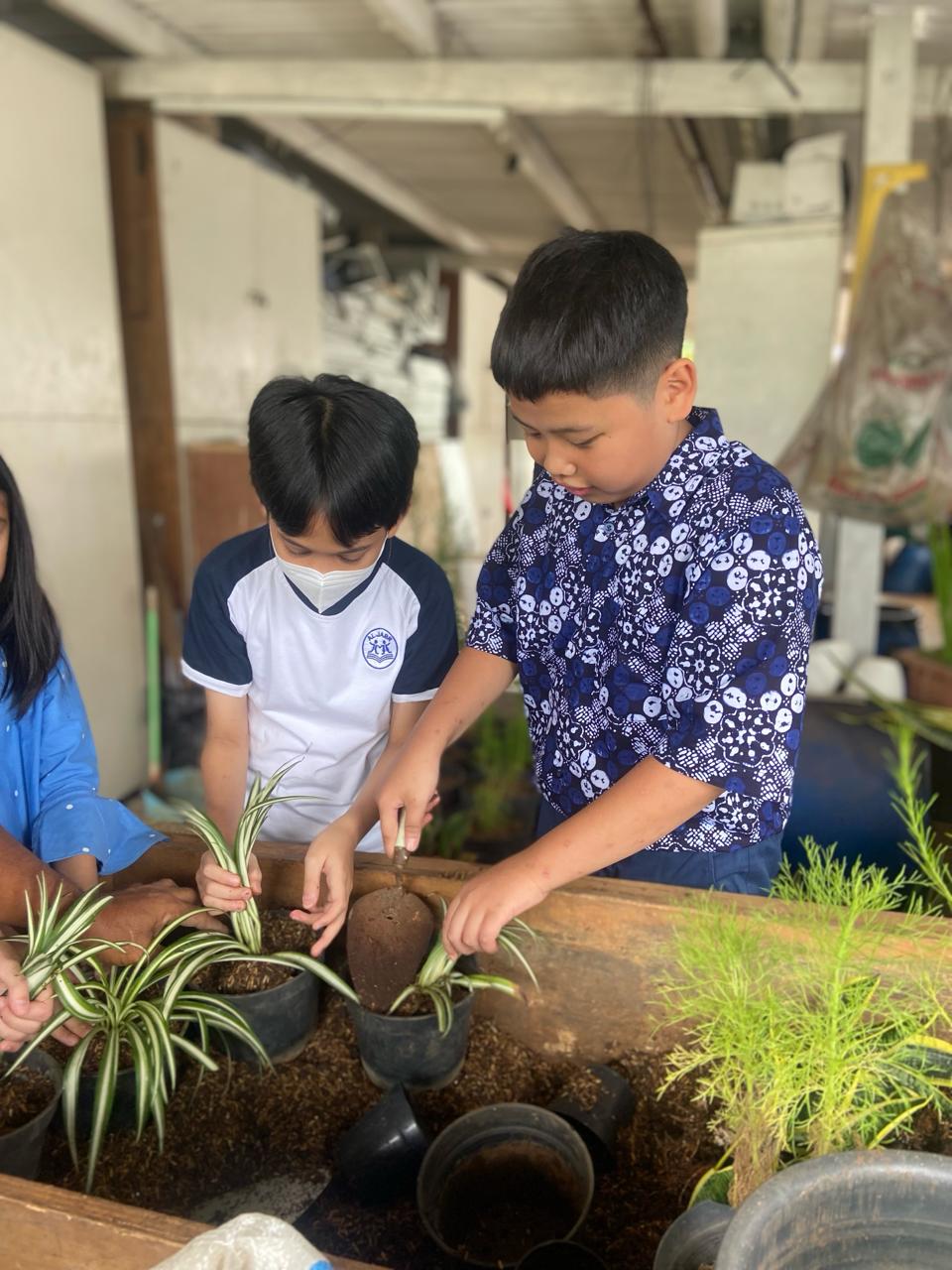

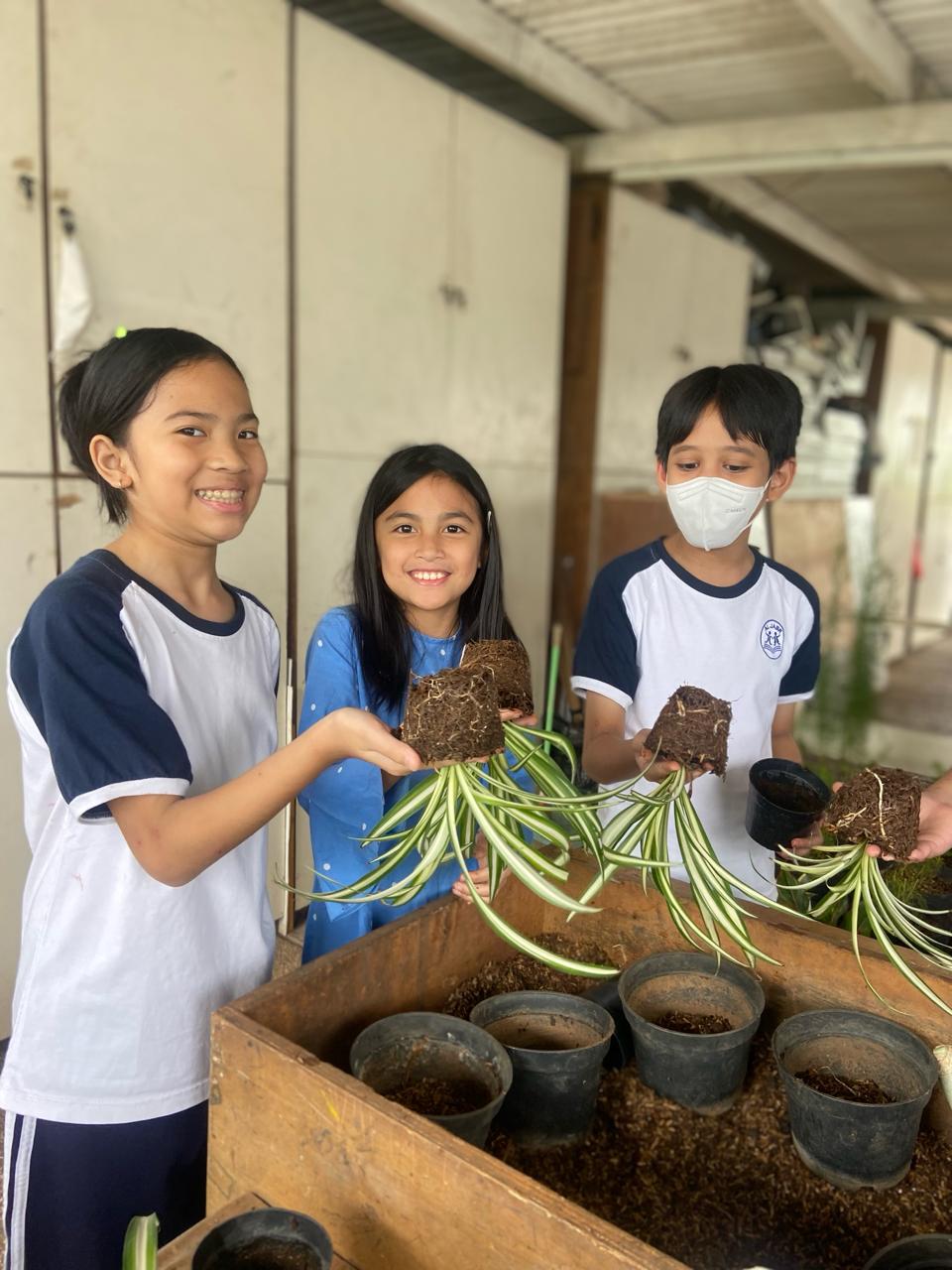


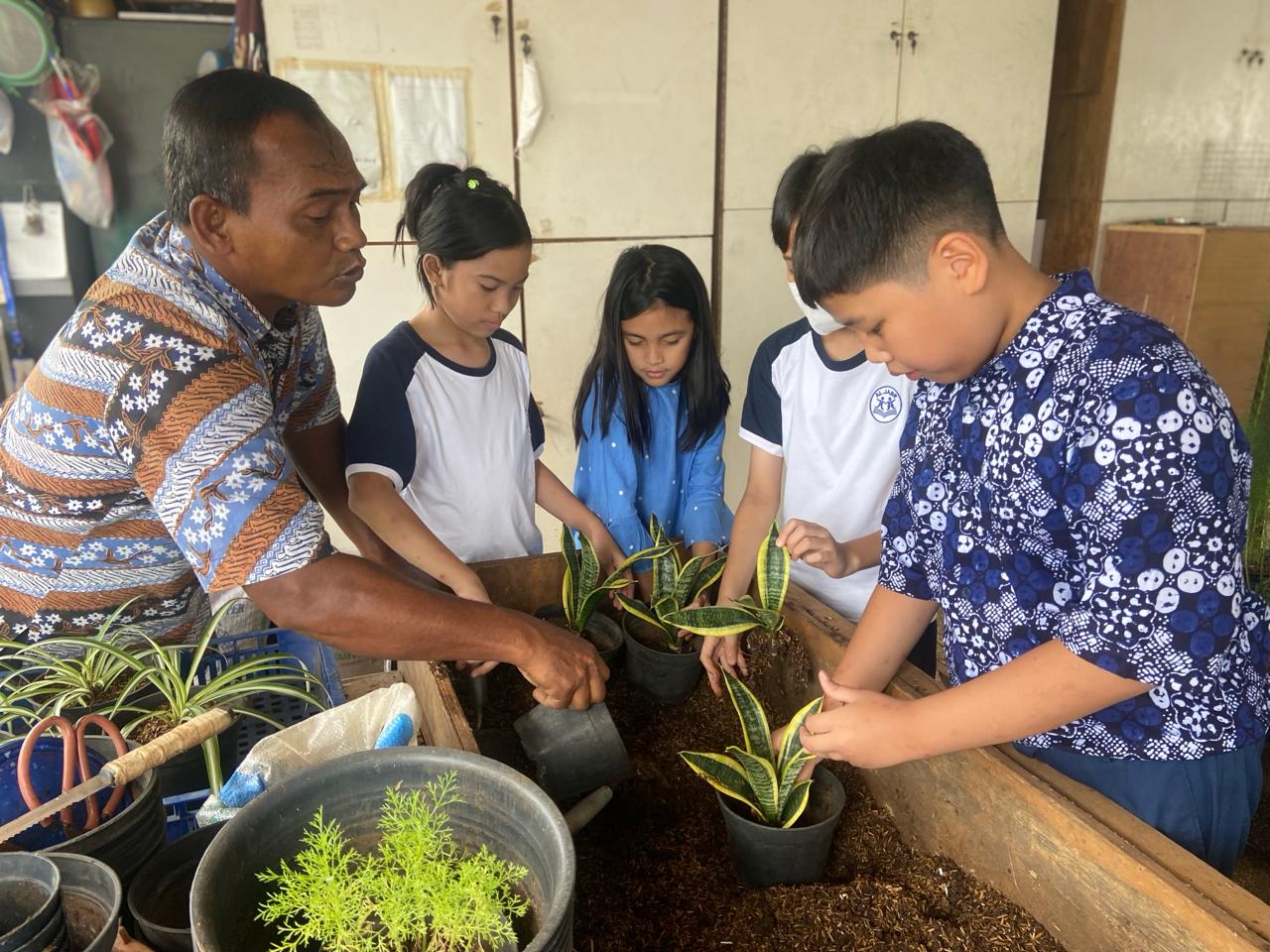
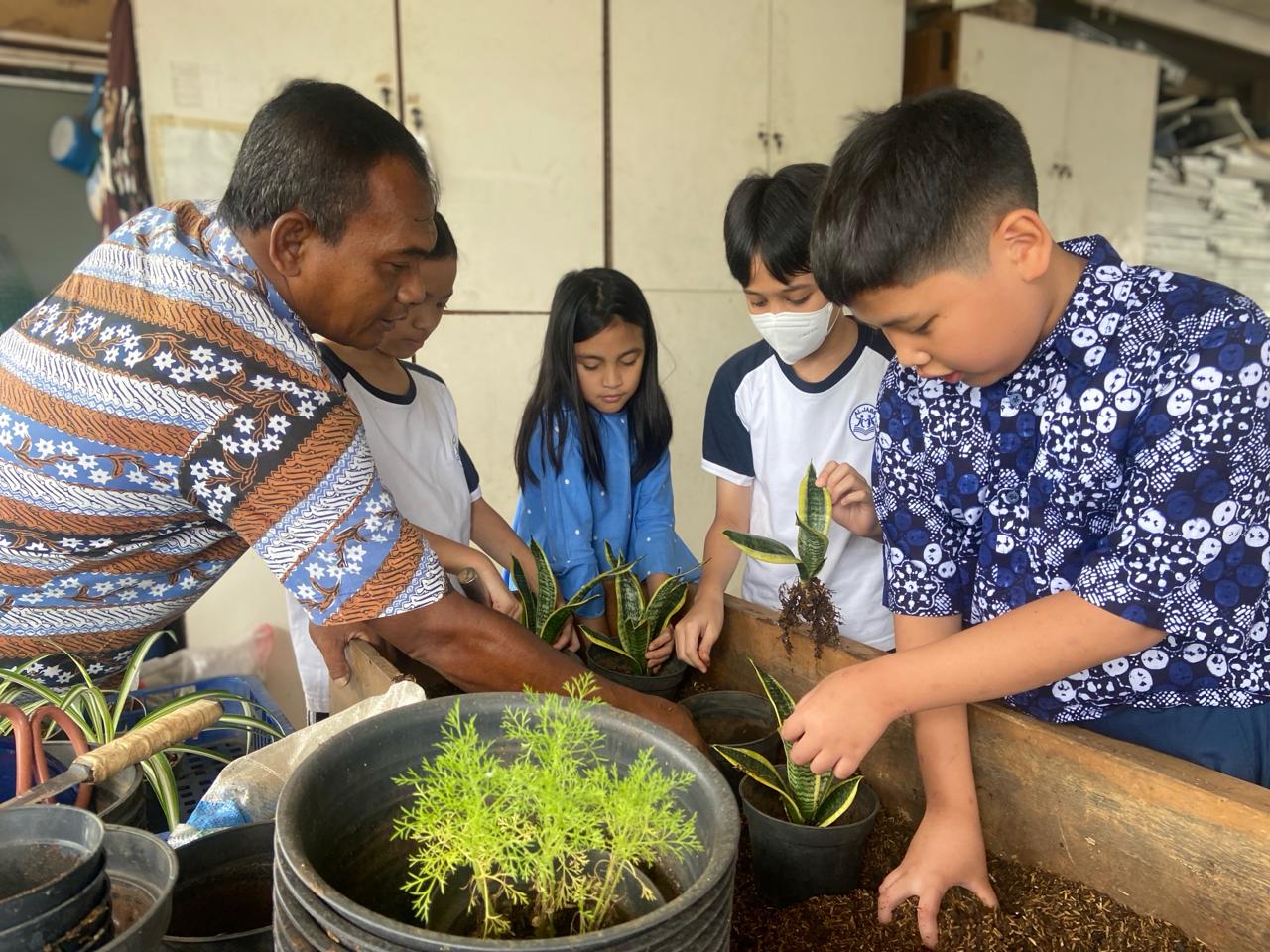


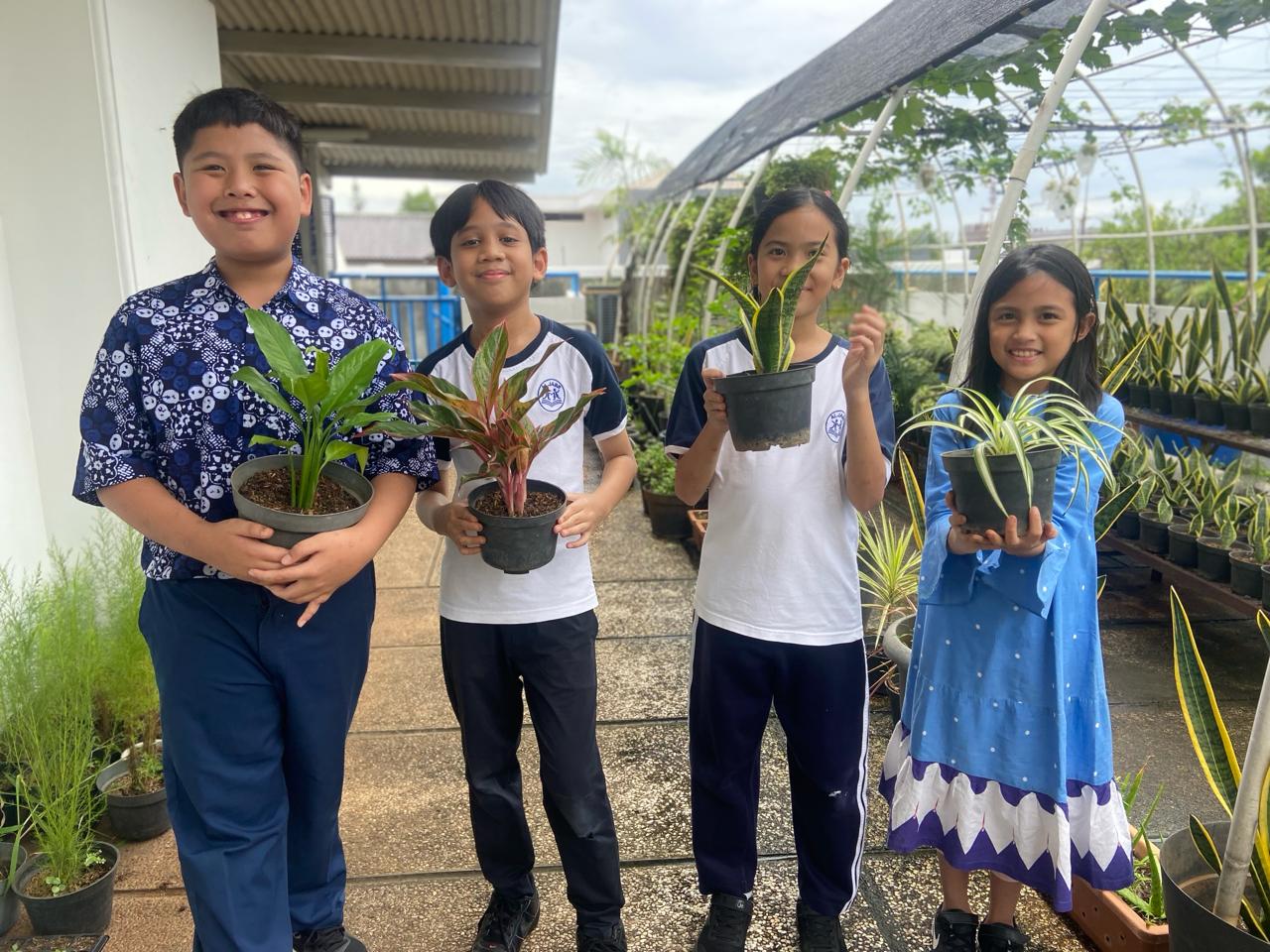
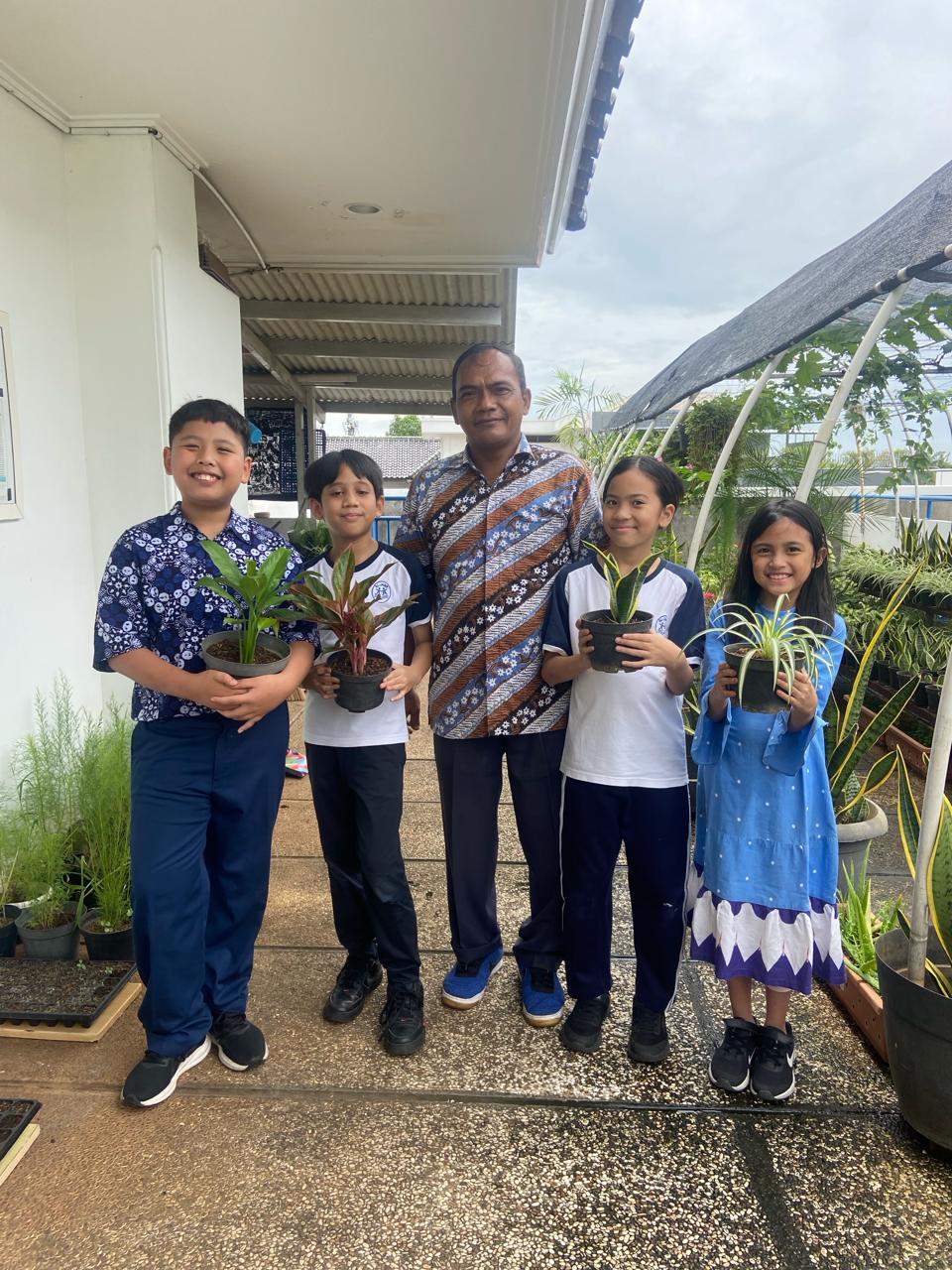
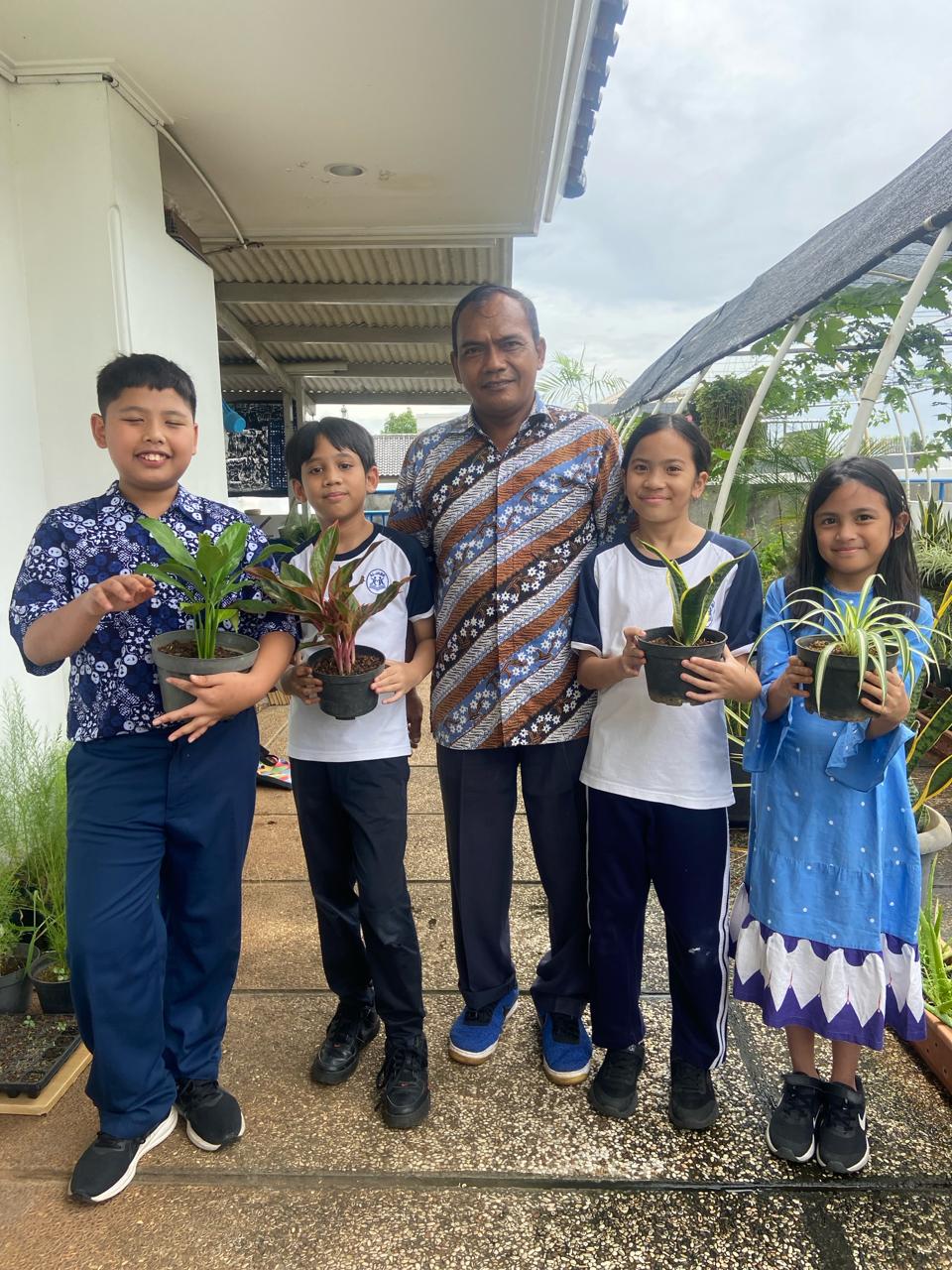
Planting Class
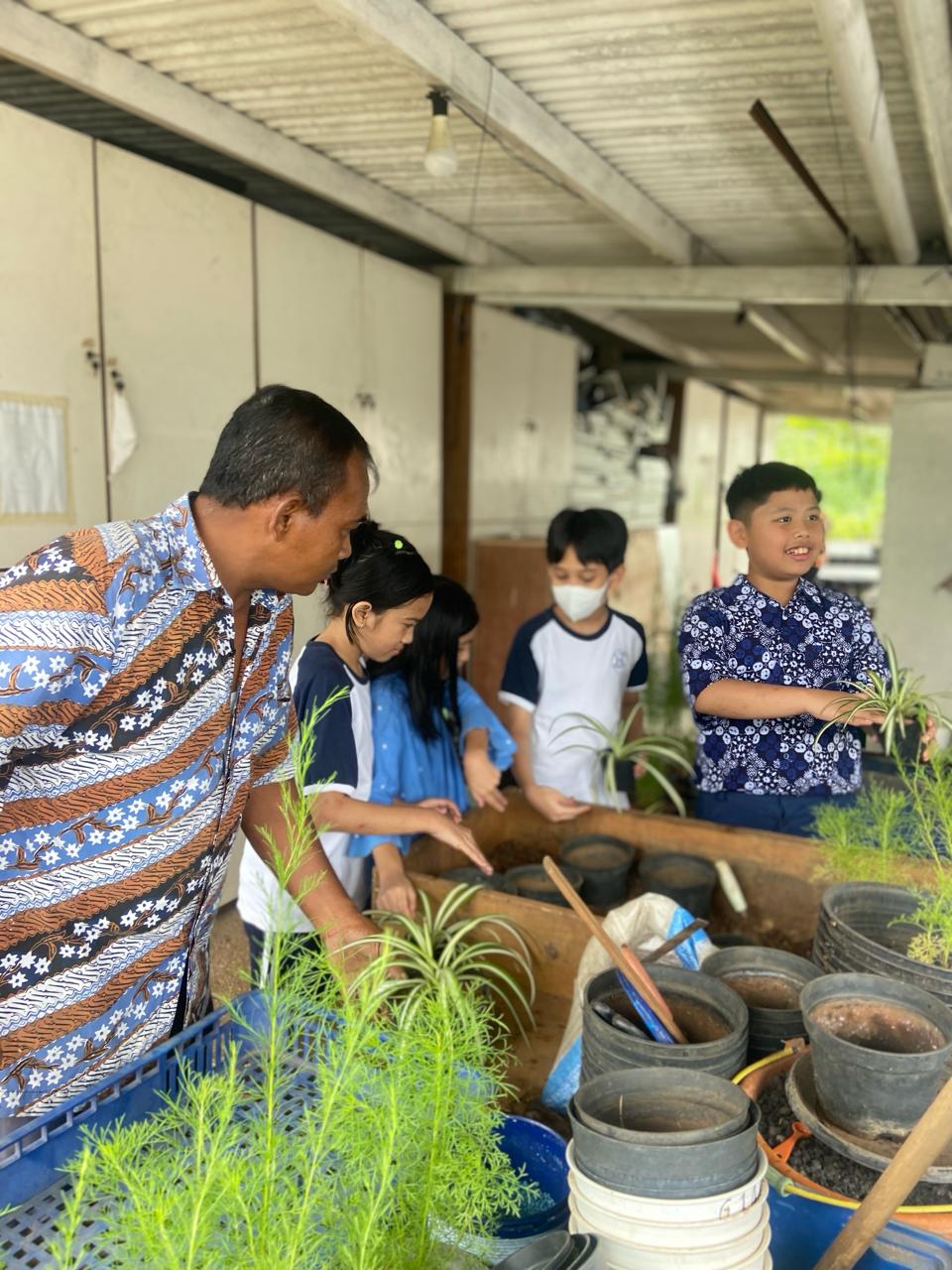
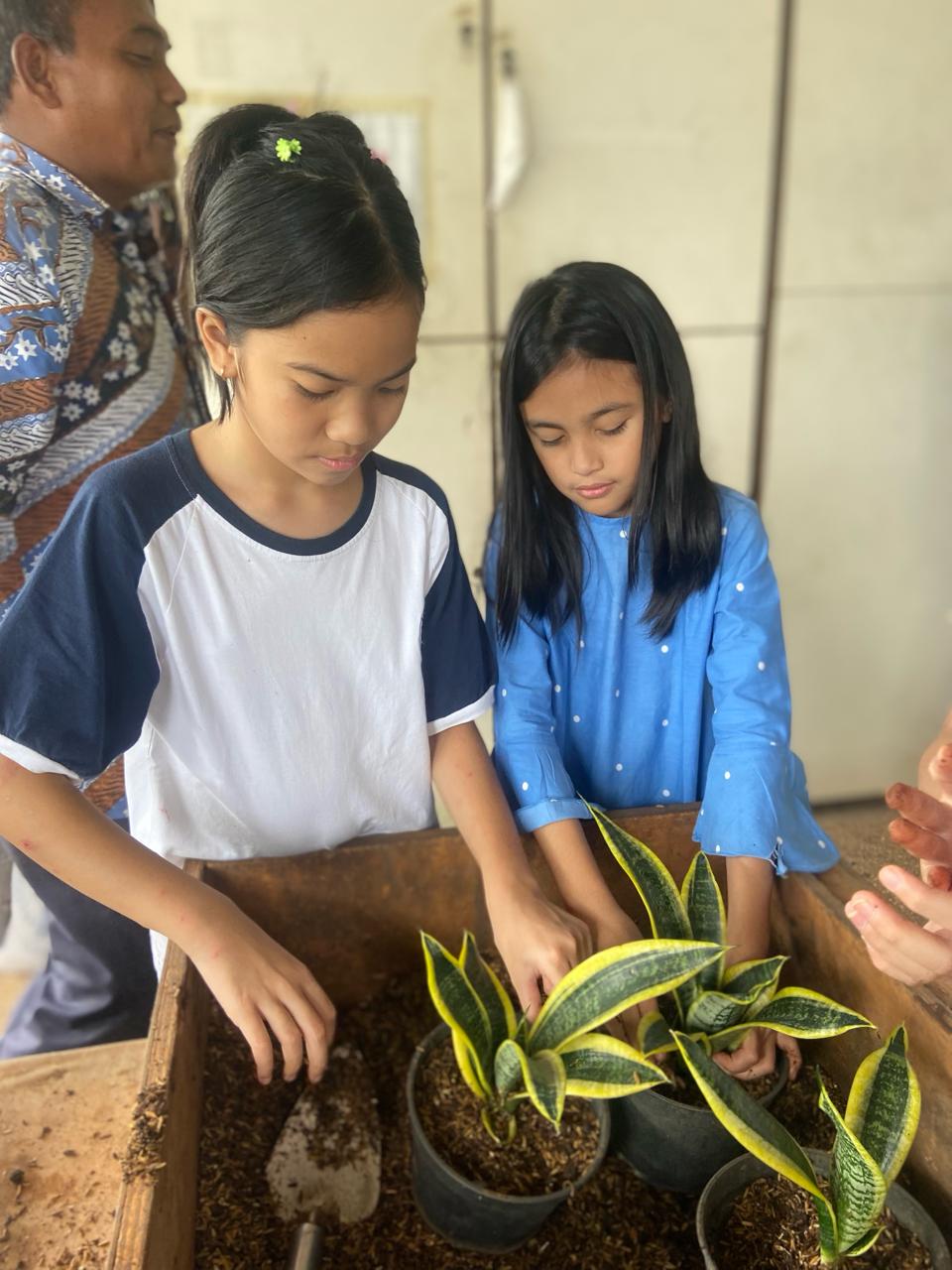
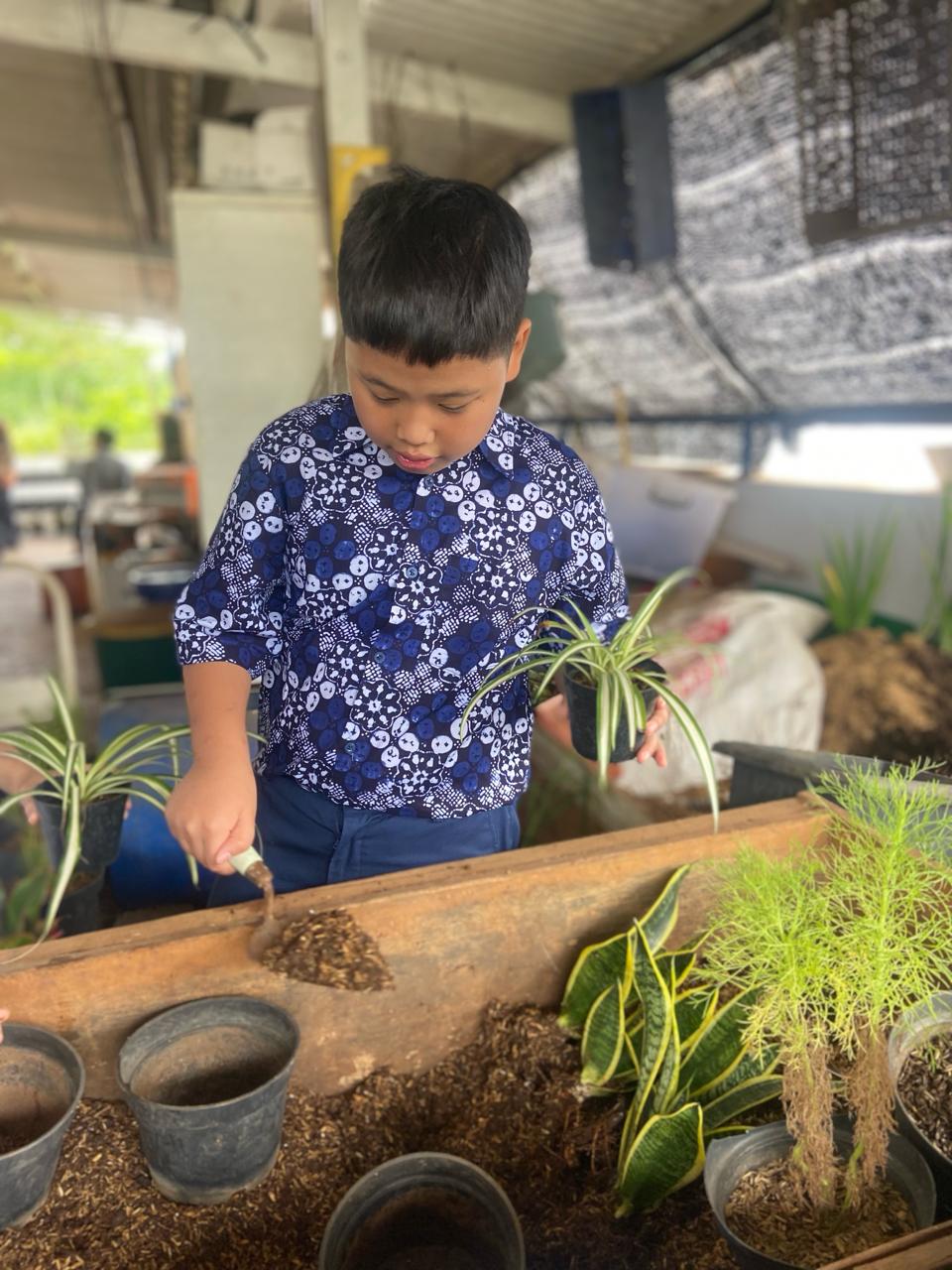
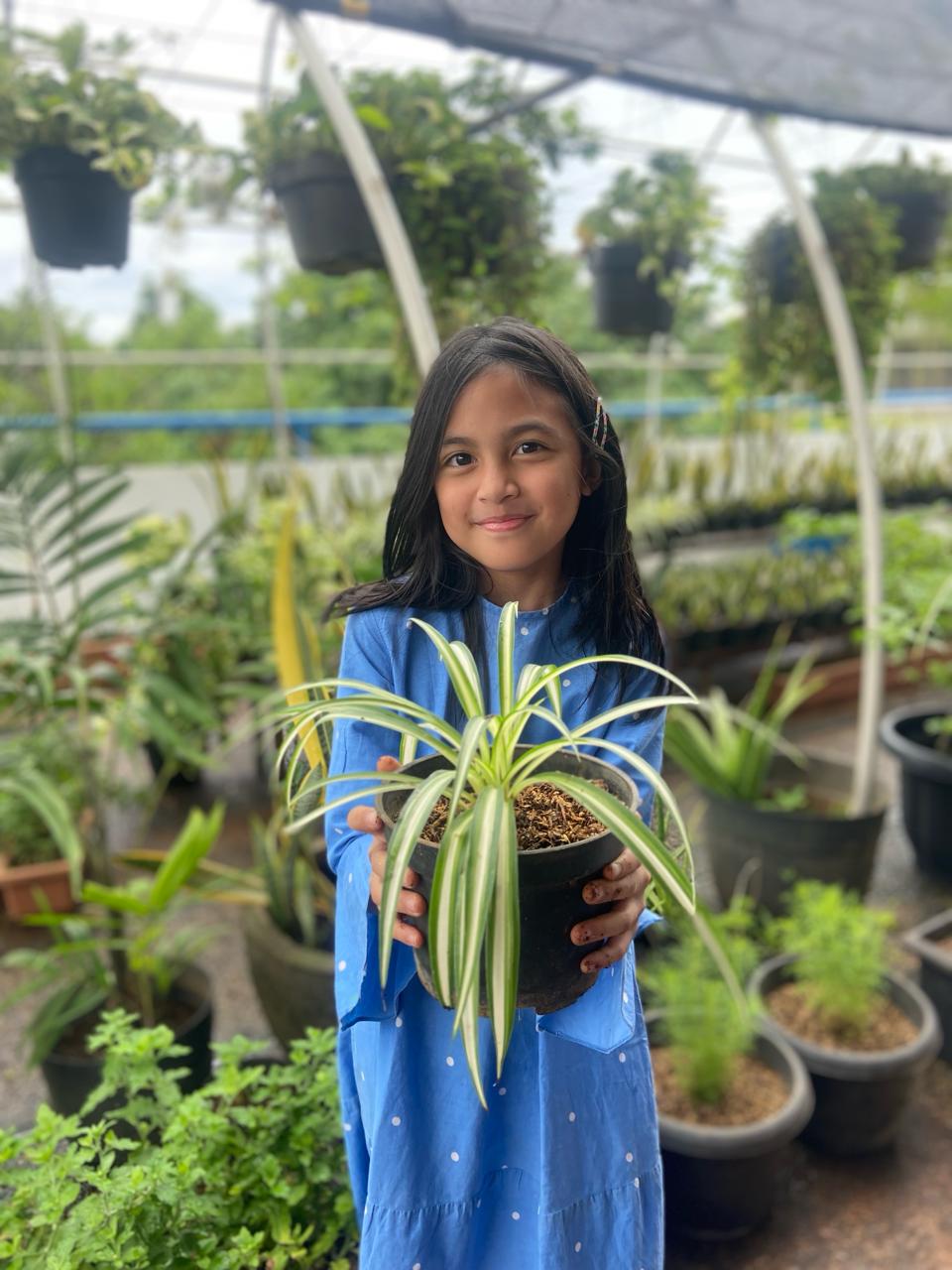
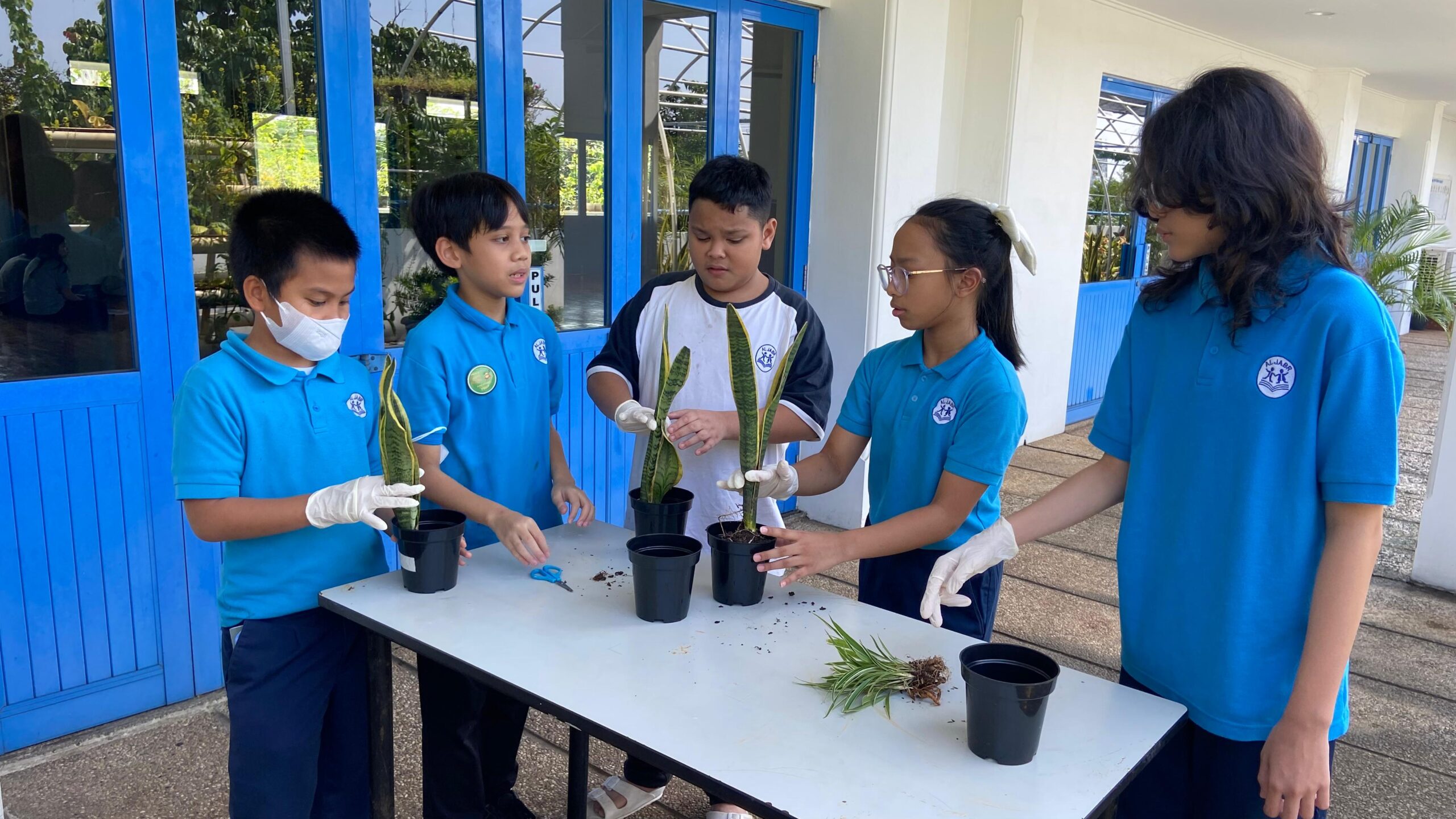
In the “Planting Class”, we teach other students on how to plant from the start. The class is open for 20,000 rupiah and they will get a plant that we already provided, the pot, also the soil. They can also bring the plants home.
UNEXPECTEDLY, there are so many students that to join the class so we made 2 batches with 2 sessions each. The profit we got will be used to buy aesthetic plants that can also absorb air pollution and will be placed in Al Jabr toilet.












References
our experts:
- Royal Norwegian Embassy
- Dinas Lingkungan Hidup
- Carbon Ethics
- BRIN (Badan Riset dan Inovasi Nasional)
- Pak Mardi
additional sources:
- https://www.kompas.id/baca/english/2023/08/23/en-pasang-surut-penanganan-polusi-udara-jakarta
- https://en.antaranews.com/news/294240/weather-is-huge-factor-in-greater-jakartas-air-pollution-ministry
- https://www.lowyinstitute.org/the-interpreter/jakarta-s-air-quality-kills-its-residents-it-s-getting-worse
- https://www.voanews.com/a/coal-power-traffic-waste-burning-create-toxic-smog-in-jakarta-/7376668.html
- https://www.thejakartapost.com/adv/2018/08/15/air-pollution-in-jakarta-an-invisible-health-threat.html
- https://smartairfilters.com/en/blog/where-indonesia-jakartas-air-pollution-come-from/
- https://uiii.ac.id/features/read/57407/clean-air-what-the-indonesian-
- https://nafas.co.id/article/How-is-Jakarta-s-air-quality
- https://time.com/6305644/indonesia-air-pollution-jakarta-smog-jokowi-cough/