Hi, welcome!
Shrimp Ecosystem In The River
We are 5th grade students and this is our exhibition website. Enjoy!
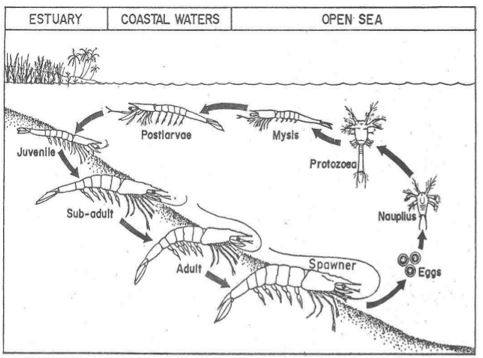
In reality, the shrimp ecosystem is in huge danger, which can lead us to lose our food chain specimen. Why? Lets dive in!
Source: Jala.tech
Shrimp ecosystem is dangered because of human activity, mostly because of the habitat destruction and water quality.
A study report from JALA Indonesia shows that the survival rates in Indonesia’s shrimp ponds are not good. According to The Fish Site, the ideal survival rate (SR) in shrimp ponds is approximately 80-90%, although many ponds in Indonesia only achieve SRs of 70-80%.
Meet Our Team

Abigail

Amanda

Aqil

Azima

Ratu
Meet Our Mentor

Ms Eva

Ms Jessica

Ms Icha
Our Foundation
Central Idea
“Biodiversity relies on maintaining the interdependent balance of organisms within systems.”
- Ways in which organism and plants are interconnected in nature.
- Ways in which ecosystems, biomes, and environments are independent.
- How human interaction with the environment can affect the balance of systems.
Living things. The study of the characteristics, systems, and behaviours of humans and other animals, and of plants; the interactions and relationship between and among them and with the environment.
- Causation
- Connection
- Responsibility
Biodiversity, ecosystem, homeostatis, plants, conservation, organism.
Lake and River Ecosystem (Shrimp and Fishes)
The Doughnut Economics
Based on the background, we conclude that the ecological ceiling is freshwater withdrawals and biodiversity loss, which socially and economically impact water, health, and food.
The Quran Quotation
Q.S Ar-Rum Verse 41
“Telah nampak kerusakan di darat dan di laut disebabkan karena perbuatan tangan manusia; Allah menghendaki agar mereka merasakan sebagian akibat dari perbuatan mereka, agar mereka kembali ke jalan (yang benar)”
Q.S Ar-Rum Verse 41
“(yaitu) orang-orang yang mengingat Allah sambil berdiri, duduk atau dalam keadaan berbaring, dan mereka memikirkan tentang penciptaan langit dan bumi (seraya berkata), “Ya Tuhan kami, tidaklah Engkau menciptakan semua ini sia-sia; Mahasuci Engkau, lindungilah kami dari azab neraka.”
The connection between the Quran quotation and our exhibition is we should not destroy the earth just like we destroy the shrimp ecosystem, and we need to maximize Allah’s creation just like we used the shrimp shell to make the shrimp powder and did not waste it.
The Learning Continuum
In our International Baccalaurete (IB) curriculum, we believe that what we learn today is the learning continuum of our previous learning.
Pre-K
In Pre-K, we learnt about living and non living things. In our topic, shrimp is the one example of the living things.
K2
In K2, we learnt about the life cycle. As the living things, shrimp also have their own living things.
Grade 2
In grade 2, we learnt about the habitat. The habitat of the shrimp is in the water which it can be in the river, ocean, or in between of those.
Grade 3
In grade 3, we learnt about the water. Nowadays, the shrimp ecosystem is dangered because of the human activities. That is why, this topic is related to our exhibition topic.
IB Profiles
ATL Skills
The Timeline
Student's Questions
In IB schools, the learning profile emphasizes inquiry. These questions below showcase our inquiry process before we begin our exhibition project.
1. What is the shrimp ecosystem?
2. What do shrimp eat?
3. What role do shrimp play in the food chain?
4. How many species of shrimp are in Indonesia?
5. How many shrimp species have already become extinct in Indonesia?
6. Why are shrimp important in our lives?
7. How to care for shrimp?
8. What is the impact of shrimp extinction?
9. Where is the place with the highest shrimp population?
10. How do shrimp reproduce?
Success Criteria
We know the factors that affect the shrimp ecosystem
We understand each variant of the shrimp need different treatment
We reflect a lot of knowledge about shrimp need to deliver to our surroundings
Let’s dive into our favourite part in this exhibition,
The Data Collection
Kali Krukut Survey


There are 3 main points in our survey to Kali Krukut that guided by Om Widodo,
- There is no shrimp in Kali Krukut
- River ecosystem nowadays is unhealthy
- Nowadays and past condition of the river condition
In our survey, we were guided by Om Widodo. He has lived near Kali Krukut since he was a child. Kali Krukut is located near our school, so we could just walk there.
We observed the current condition of Kali Krukut. Our observation results showed that the water in the river had been polluted. It was unclear and there was a lot of trash. Moreover, in terms of the animal life, we did not see any shrimp and there were only a few types of fish.
Meanwhile, Om Widodo told us about the past condition of Kali Krukut, which was completely different from the current condition. Om Widodo said that in the past, the water of Kali Krukut was clear and free of trash. He also mentioned that he could find various freshwater animals in the past, such as gurami fish, nila fish, shrimp, mini crabs, and other kinds of fish.
Through this field trip, we felt both happy and sad. Happy because we could see the shrimp ecosystem near us. Sad because in reality, the shrimp ecosystem is endangered due to the polluted river.
Field Trip to Balai Laboratorium Karantina
There are 3 main points in our field trip to Balai Laboratorium Karantina that guided by Bu Agustina,
- Shrimp habitat and ecosystem
- Shrimp diseases
- References book and website
This field trip is the furthest location we’ve visited for this exhibition project. It’s in Cengkareng, which took around 2 hours by car.
We were pleased to visit because all the staff here are kind to us. We toured the fish ponds, where both finished and unfinished fish were checked in the laboratory. The Balai Laboratorium Karantina is an important place for assessing the condition of living organisms (animals and plants) before exporting or importing them.
We also had the opportunity to observe shrimp decorations. Interestingly, the decorative shrimp look amazing in aquariums with wonderful lighting. However, this environment can be harmful to their eyes because their natural habitat is usually dark or dimly lit.
Furthermore, we observed the laboratory process for checking the condition of animals. They determine whether the animals carry bacteria or viruses. The area is highly sterile, so we had to wear caps and rubber sandals. Through microscopes, we could see how bacteria move.
It was a fantastic field trip! Bu Agustina was incredibly kind to spend time with us for a Q&A session. We asked her many questions, and she also provided us with a recommendation book for reference, called SOVIA 2022.
WWF (World Wild-life Fund) Session


There are 3 main points in our session with WWF that shared by Kak Tiara,
- Aceh and Cirebon have the most production of shrimp in Indonesia
- Vannamei Shrimp is from North to South America, not from Indonesia
- The Seafood certification
WWF is an international non-governmental organization focused on the conservation of nature and biodiversity worldwide. During our meeting, Kak Tiara from WWF shared a wealth of information with us about shrimp and their habitats.
One surprising fact that caught our attention was the original location of the Vannamei shrimp. Although Vannamei shrimp is highly popular in Indonesia due to its ease of cultivation and reproduction, we learned that its original habitat is not in Indonesia but in America (from North to South). Additionally, Kak Tiara informed us that Indonesia has two main production areas: Aceh and Cirebon. While we were already familiar with Cirebon, learning about Aceh was new to us.
Finally, Kak Tiara discussed seafood certification with us. She introduced various certifications such as ASC, BAP, and MSC. These certifications, released by international non-profit organizations, establish standards to protect freshwater animals and ensure the sustainability of their habitats. The primary purpose of seafood certification is to preserve small shrimp by setting size standards and to maintain the overall quality of shrimp and fish ecosystems.
Market Survey
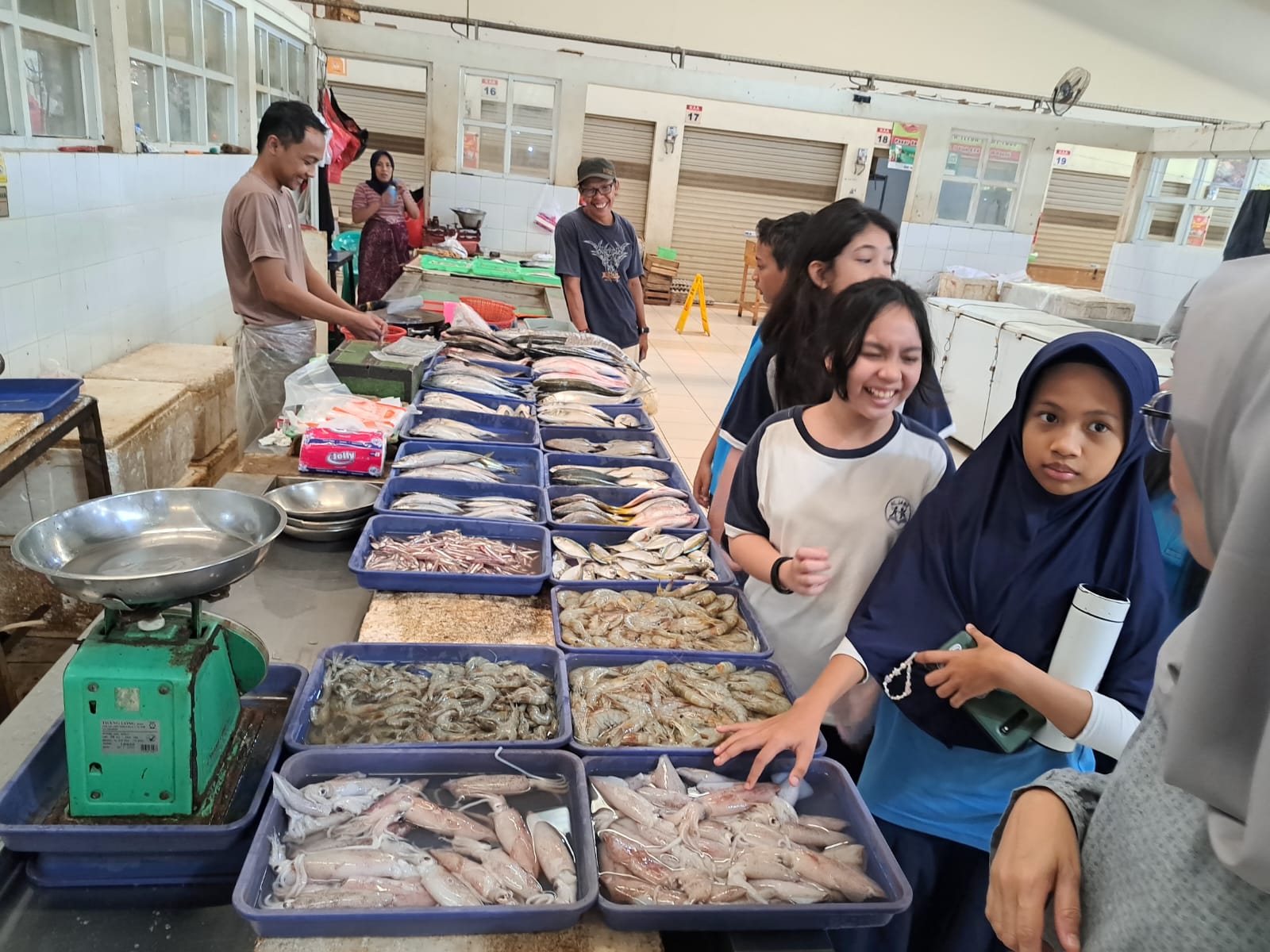
We surveyed 3 places to see the seafood certification and buy some sample,
- Pasar Segar Cinere
- Superindo Cinere
- Grand Lucky Cinere
For seafood certification, the only market that is already certified is Superindo Cinere.
At Grand Lucky Cinere, although they do not have seafood certification, they provide excellent service by differentiating between the newest and last day stock shrimp.
Similarly, at Pasar Segar Cinere, despite lacking seafood certification, they almost always offer shrimp from the newest stock.
Online Form Survey


In our online survey form, there are three main points gathered from approximately 100 respondents:
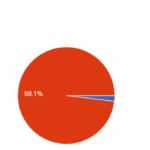
1. The most commonly known type of shrimp is Windu Shrimp, rather than Vannamei Shrimp.
2. Respondents mostly choose shrimp based on color.
3. Many respondents either do not know or are unsure about seafood certification.
This online survey form is for our foundation to gather information about what people need to know about shrimp. By the end of this project, we will take action, and the results of this form will help us decide what kind of action we will take.
Experimenting and Organizing Data
Experiment The Freshness of Shrimp
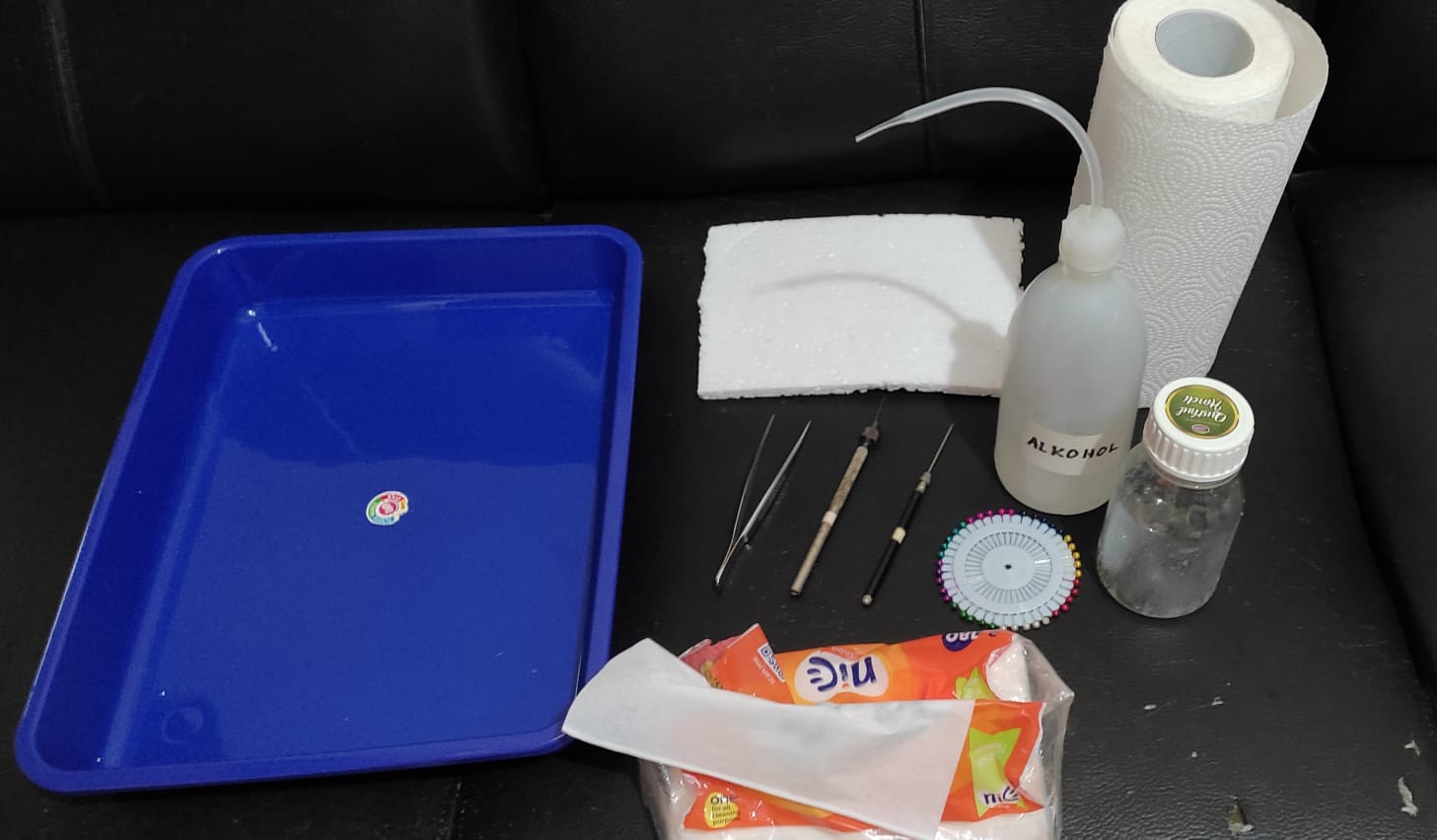
We conducted an experiment to test the freshness of shrimp by boiling them in equal amounts of water for the same duration. Additionally, we learned how to peel off the head and skin of the shrimp, as well as how to wash them. Our conclusions can be seen in the pictures and the points below.
Pasar Segar Cinere
- Various size
- Spongy textured
- Fresh look
- Normal fishy smell
Superindo Cinere
- Similar size
- Unspongy textured
- Too fishy smell
Grandlucky Cinere
- Fresh look
- Spongy textured
- Normal fishy smell
Experimenting Making Shrimp Seasoning Powder
We are conducting experiments to create shrimp seasoning powder to maximize the benefits of shrimp waste. Additionally, we have developed a shrimp seasoning powder recipe to enable others to create their own. By sharing our recipe, we aim to provide people with a consistent and reliable method for making shrimp seasoning powder whenever needed.
Experiment Cooking With The Shrimp Seasoning Powder
We conducted experiments to create shrimp seasoning powder to maximize the benefits of shrimp waste. Additionally, we developed a shrimp seasoning powder recipe to enable others to create their own. By sharing our recipe, we aimed to provide people with a consistent and reliable method for making shrimp seasoning powder whenever needed.
Taking Action
Al Jabr Community
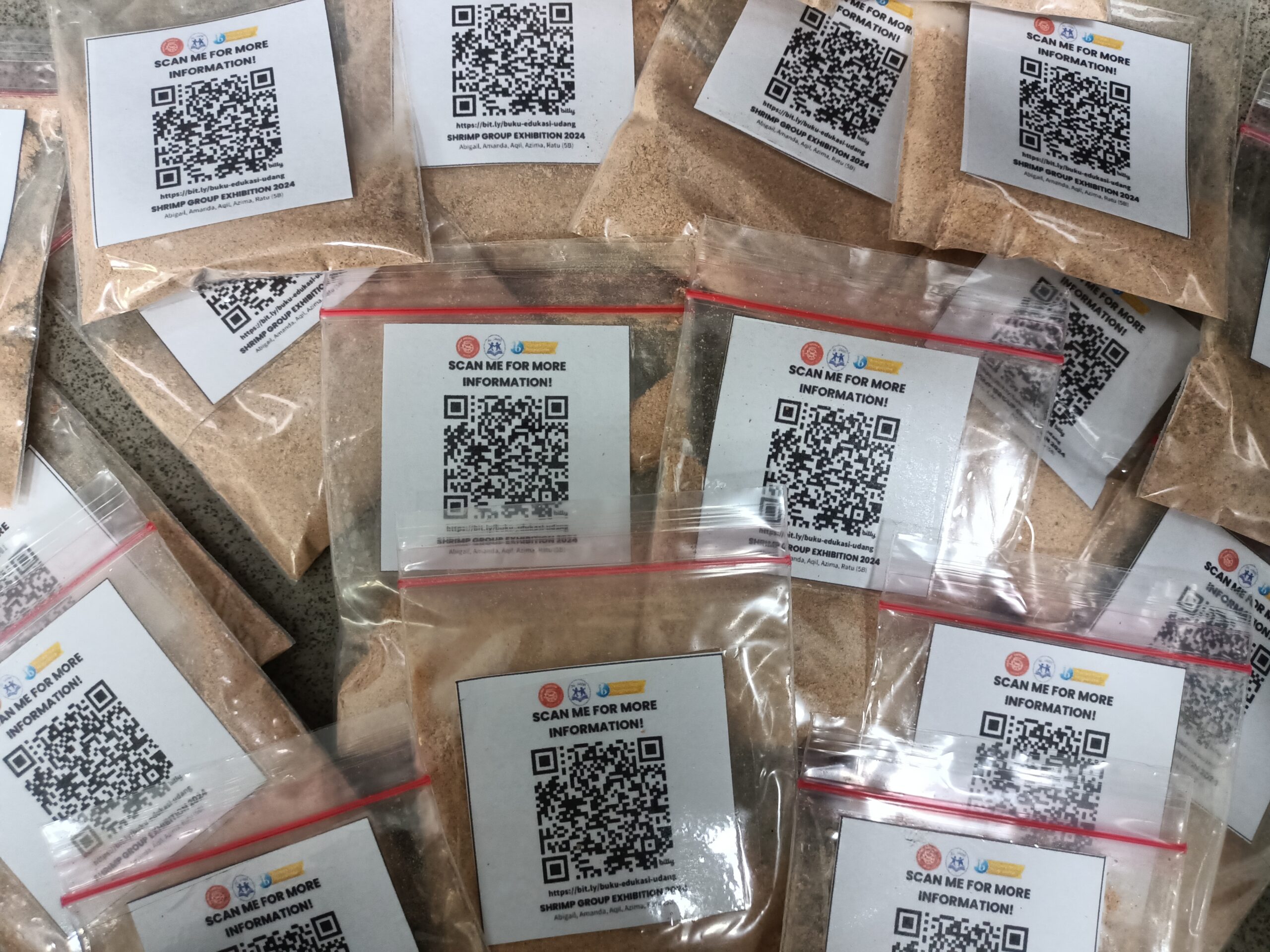
Our action to the Al Jabr community is the main action. Based on the online survey before, we see the needs to understand about shrimp especially the seafood certification and the shrimp disease. Instead of only sharing the knowledge about shrimp, we also shared with them our shrimp seasoning powder which there is a QRIS that linked to our book, “Know Your Shrimp”. This book is include the common types of shrimp, the shrimp disease, how people can alergy with the shrimp, and the recipe to make the shrimp seasoning powder.
Making Conclusion
- Nothing in God’s creation is wasted; for instance, we use shrimp shells to make shrimp powder.
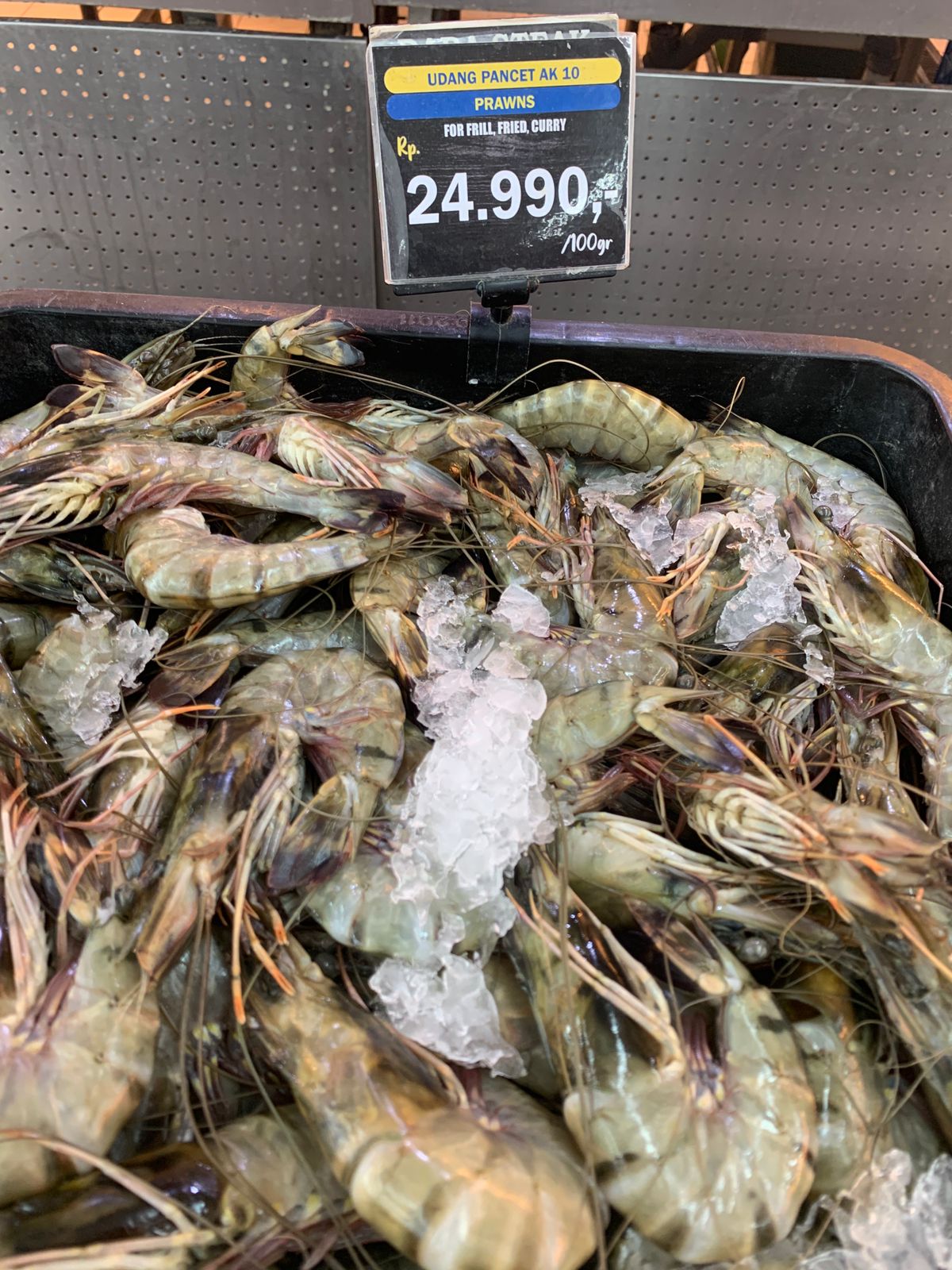
- We must protect the habitat of shrimp, which has almost been destroyed and is endangered.
- The function of the certificate is to supervise management to minimize damage to the living environment and regulate the distribution of shrimp on the market by monitoring shrimp diseases and size.
Self Assesment
Our exhibition process is a success for us because:
- We get so much information about shrimp.
- Working as a team, commitment, communication, and action.
3 things we had learned:
- Shrimp disease and seafood certification.
- There is a difference between male and female shrimp.
- The fun fact about the Vannamei Shrimp originally.
Things that makes this experience meaningful:
- When we experimented with differentiating the shrimp gender.
- When we learn to make shrimp powder.
References
- Om Widodo, warga sekitar Kali Krukut.
- Ibu Agustina, ahli udang dari Laboratorium Balai Karantina Ikan Kelas II, Tanjung Priuk
- Kak Tiara, (World Wide Fund for Nature) WWF
- Ibu Ita, ahli udang dan lobster dari Badan Riset dan Inovasi Nasional)
- Canva.com
- Globalseafood.org
- Aquatechcenter.com
- https://efishery.com/id/resources/udang-naik-di-permukaan-air-tambak/
- https://www.deheus.id/cari/berita-dan-artikel/jangan-salah-ini-5-tips-memilih-udang-yang-baik-untuk-konsumsi
- https://jala.tech/blog/shrimp-industry/highlights-of-the-2021-shrimp-industry-looking-at-the-target-of-increasing-exports
Our Product
Know Your Shrimp Book
The “Know Your Shrimp Book” is our product for sustainable action advocacy. Inside this book, people can learn about shrimp types, diseases, how to maximize shrimp waste, and seafood certification. Kindly click the button to see our book.
Panel Slides
The panel slides are our product when we present our project. Basically, you can see the overview of the panel on this website. But you can also see what it looks like inside by using these panel slides.
Our Panel Presentation
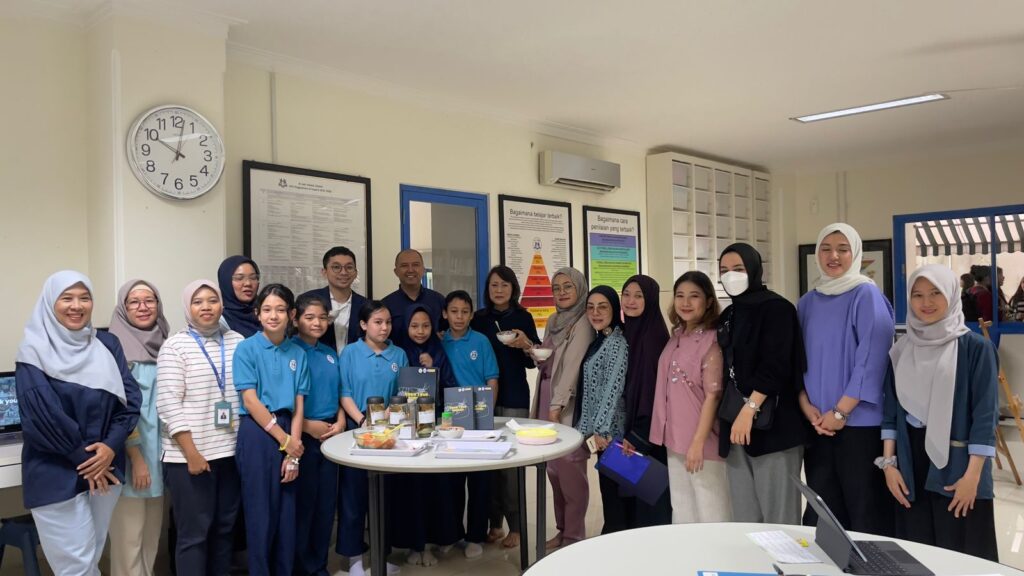
Even though one of our members got sick, she was excited to have the panel presentation. Bu Uchu, Bu Atya, Ms Dina, and Mr Ryan are our panelists. Our mentor guides and accompanies us there. Our parents also come to see us. This moment was so exciting but, at the same time, challenging (April 25th, 2024).
Our Staging
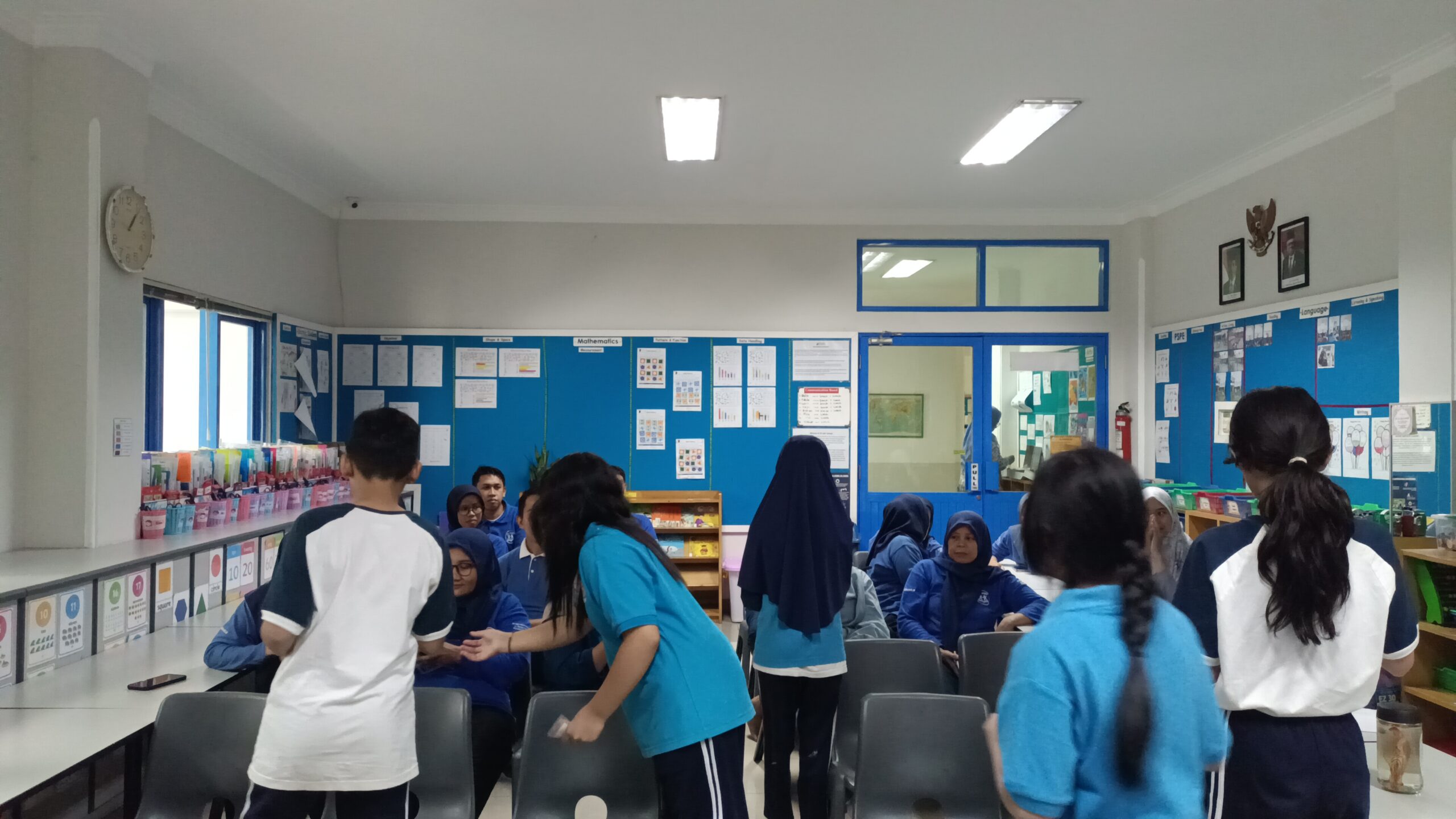
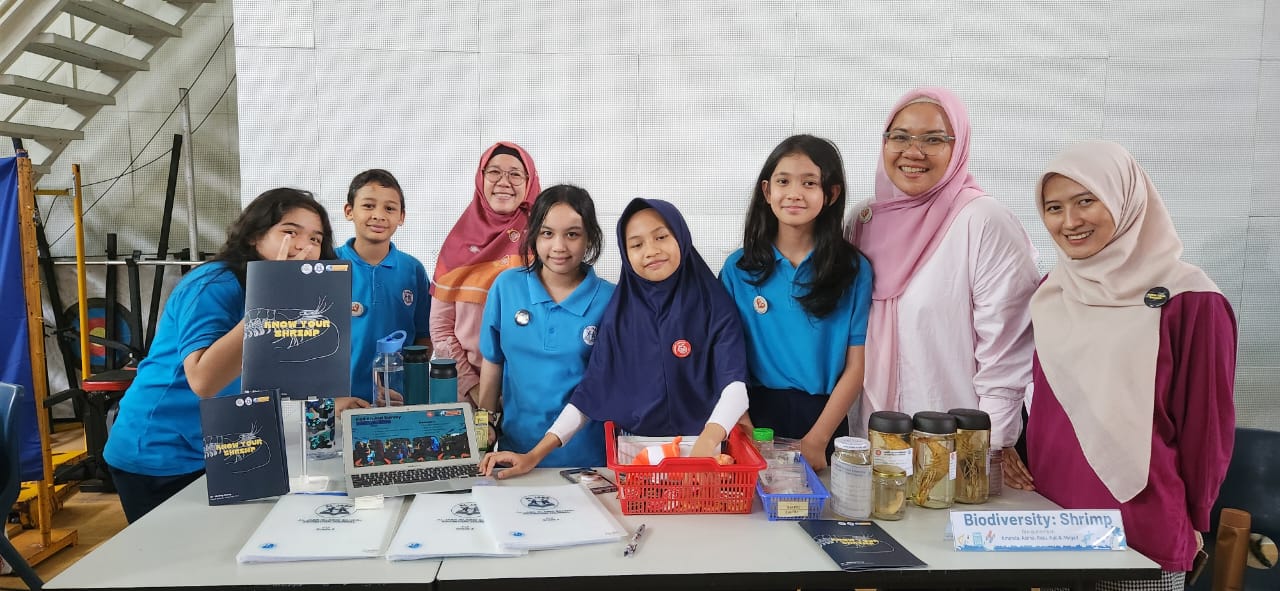
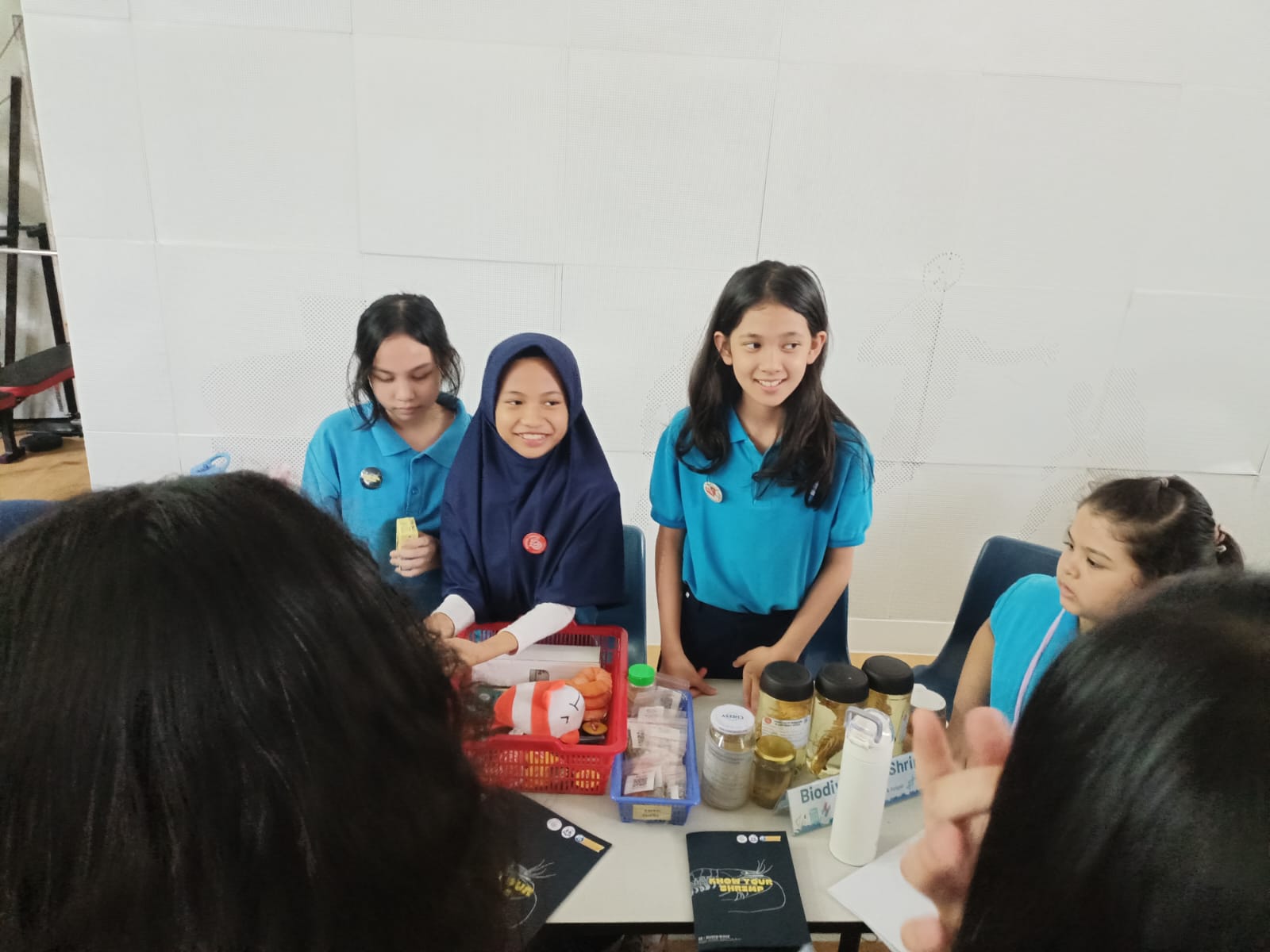
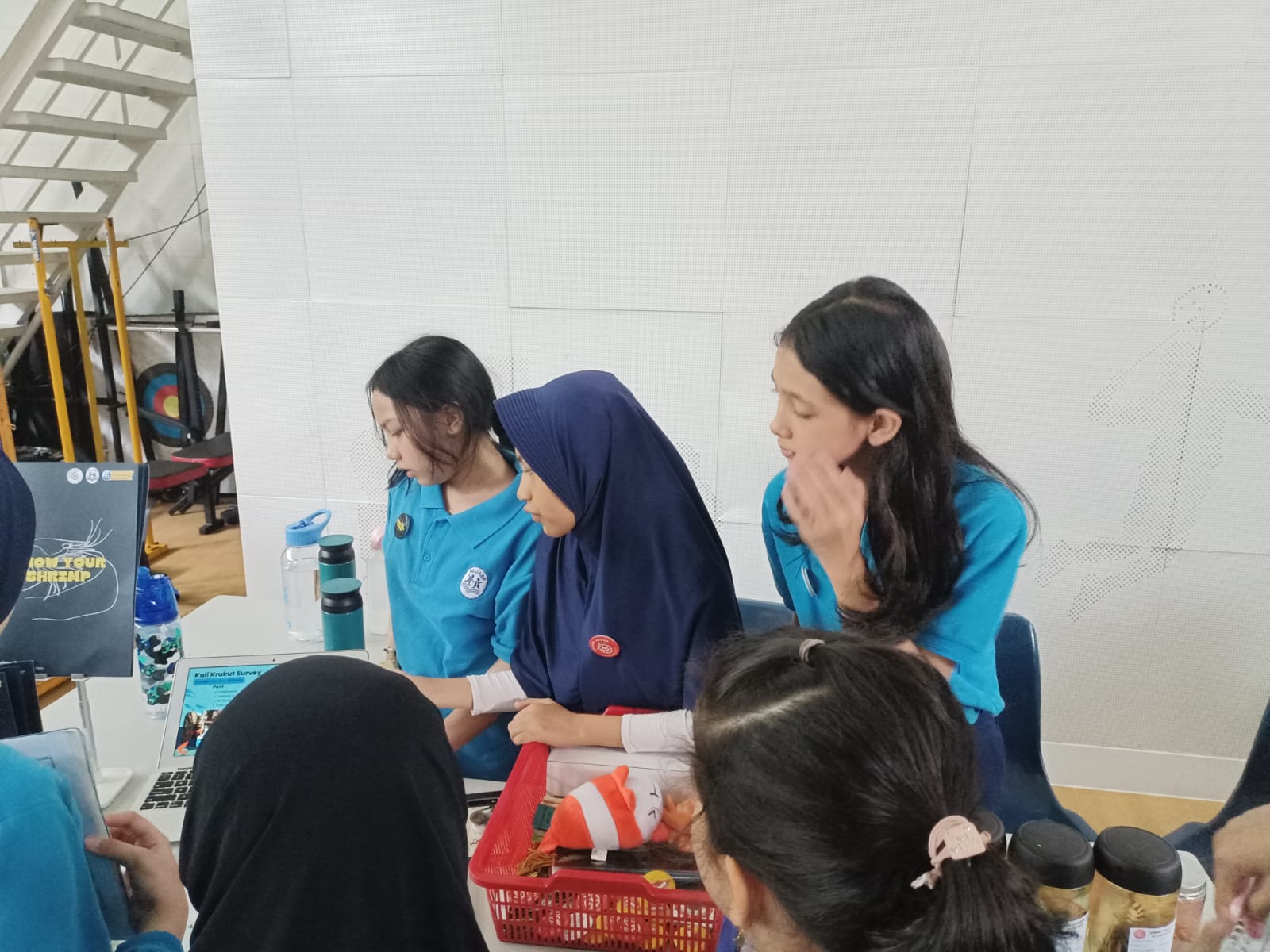
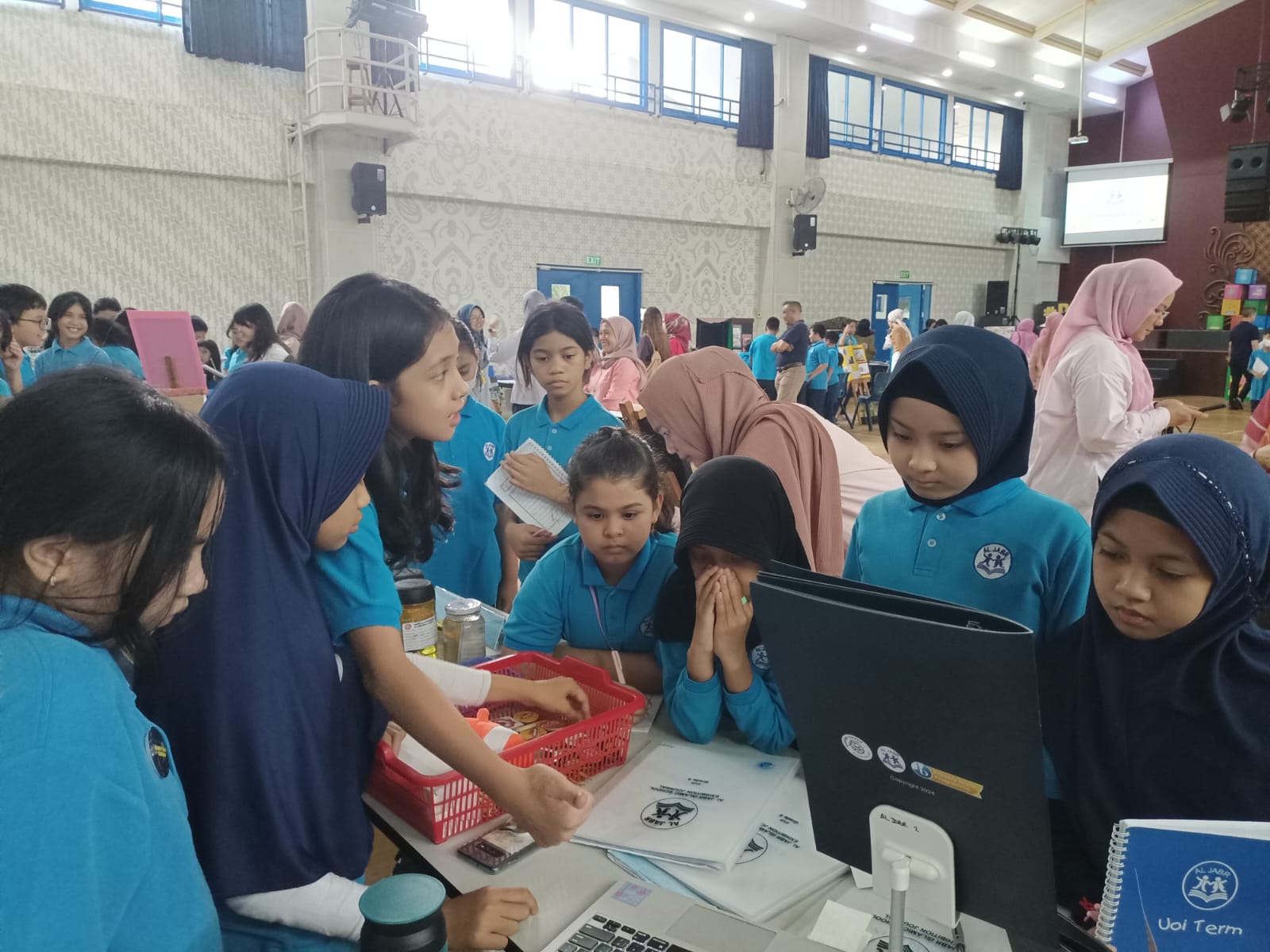
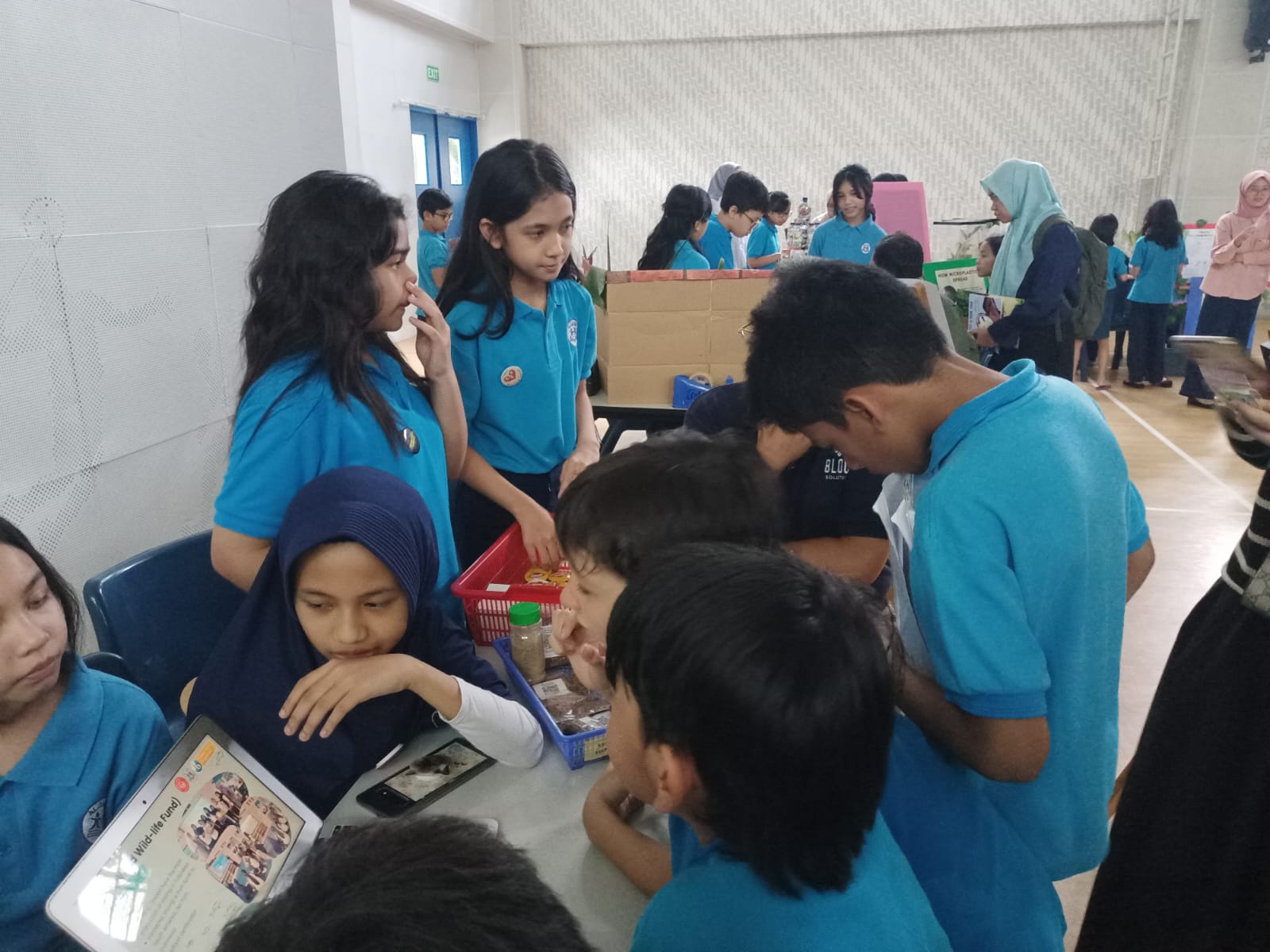
We showed what we have done for about these four months to our family, teachers, friends, community, and the visitors. They ask a lot of questions about our projects. We also have several quizzes for them and give them our merchandise. What an incredible moment is it! (April 30th 2024).