In our Grade 5 Exhibition, we explore Digitalization In Education
We are Zia, Aquilla, Aila, Dio, and Hima. In our Grade 5 Exhibition, we explore Digitalization in Education.
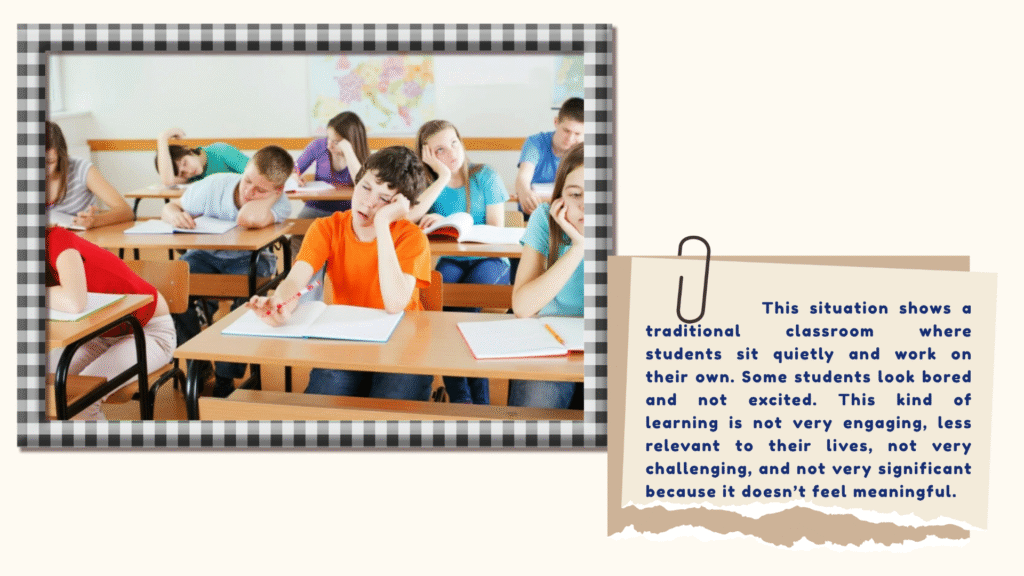
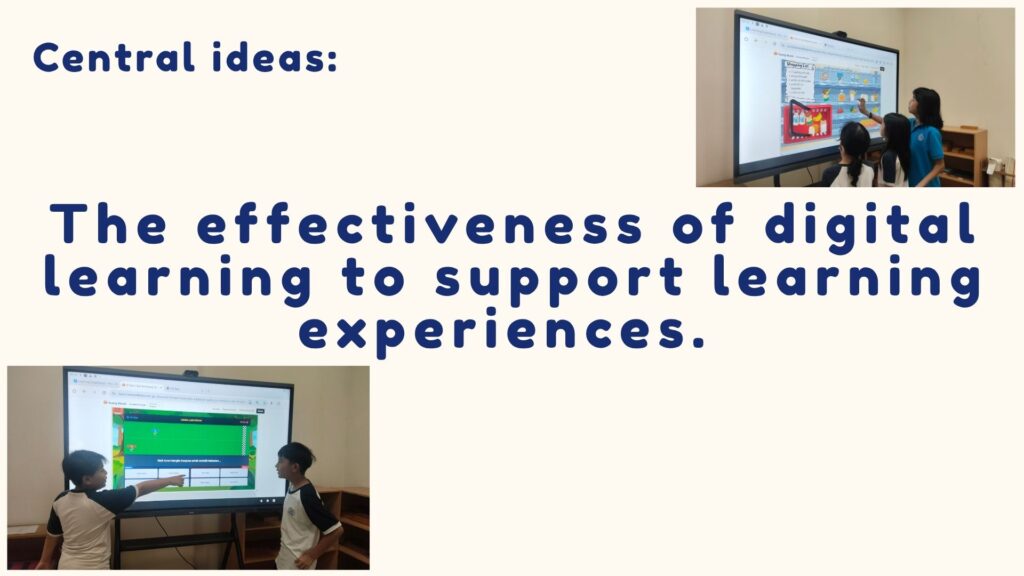
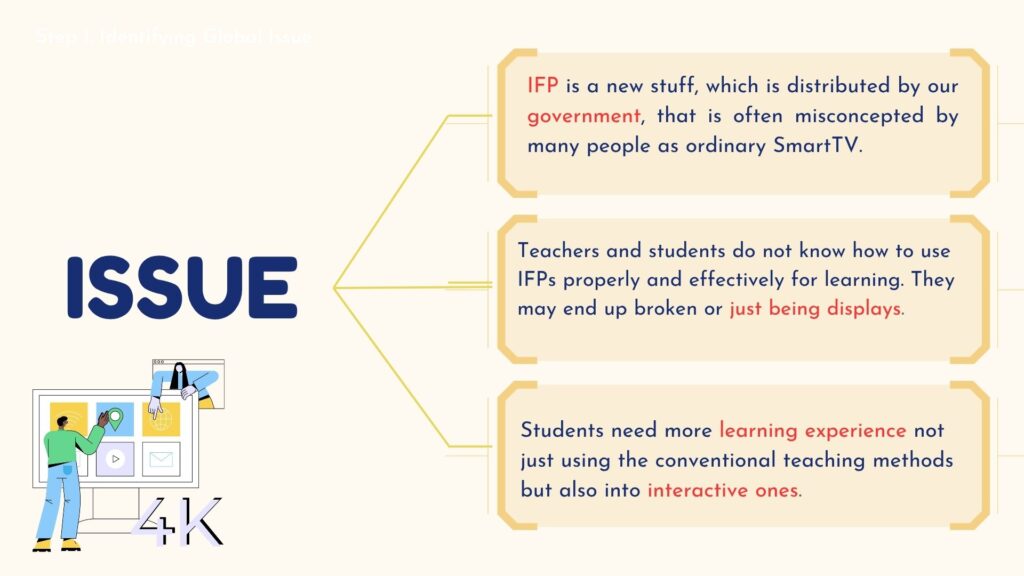
We identified a problem in traditional classrooms where students are less engaged and learning feels less meaningful. We connect this issue to government programs that promote digital learning, such as the use of smart boards and technology in schools. Through this inquiry, we aim to understand how digitalization can improve student engagement and create more effective learning experiences.
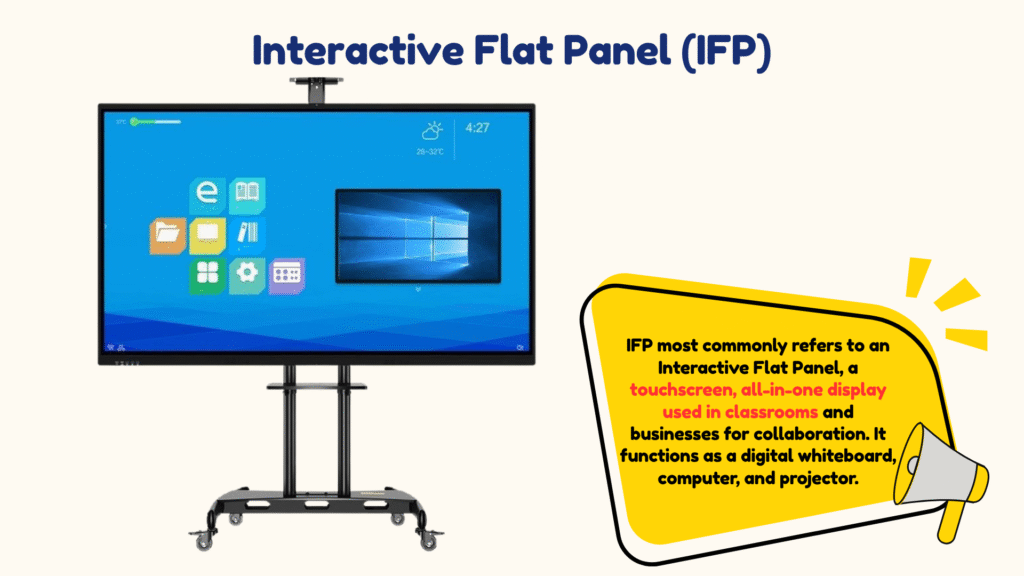
Interactive Flat Panel (IFP)
IFP most commonly refers to an Interactive Flat Panel, a touchscreen, all-in-one display used in classrooms and businesses for collaboration. It functions as a digital whiteboard, computer, and projector.
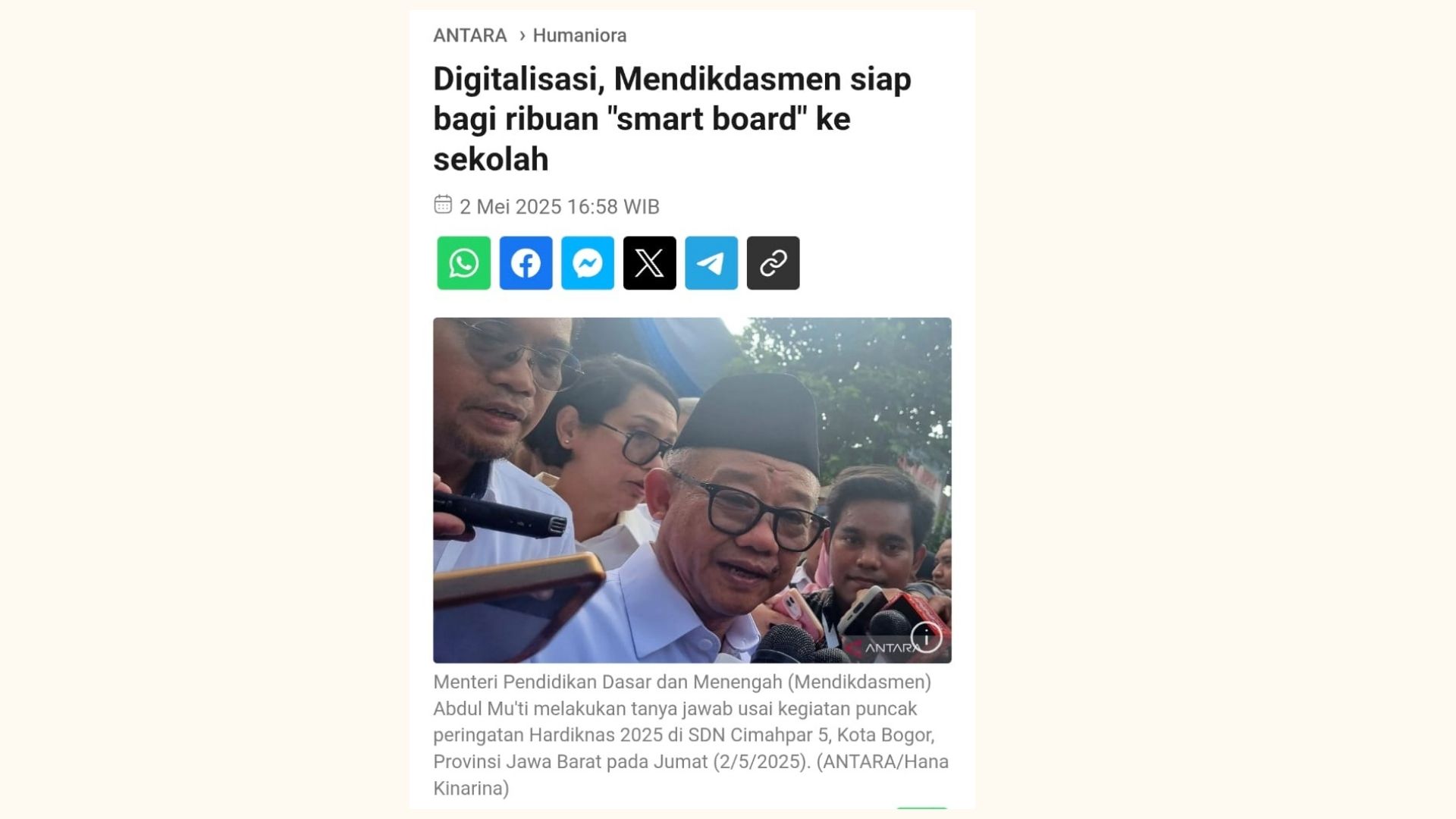
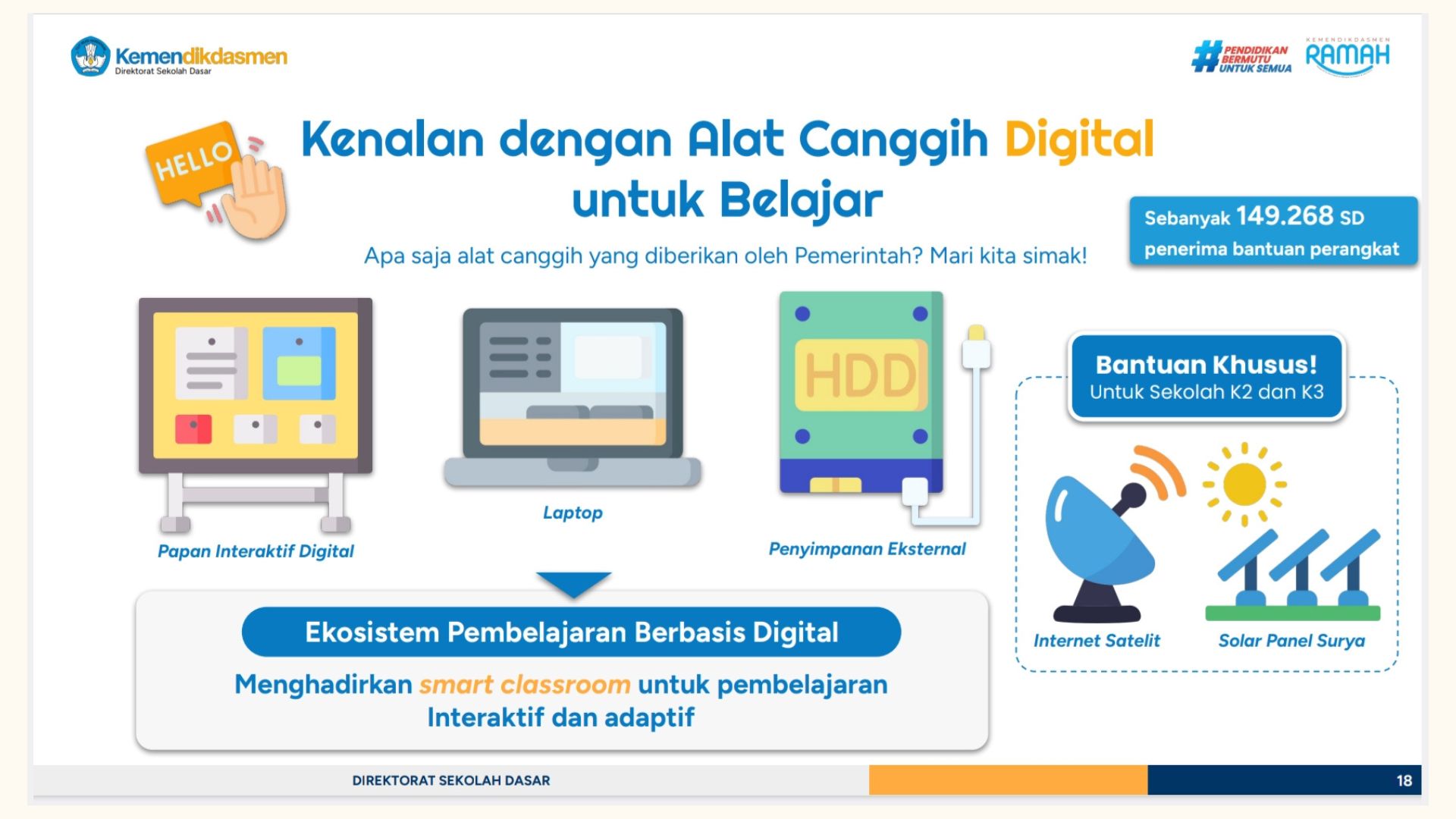
The Indonesian government is actively supporting the digitalization of education by providing advanced learning tools such as interactive digital boards, laptops, and external storage devices. In certain regions, additional support like satellite internet and solar panels ensures that schools in remote areas can also access technology.
These initiatives are part of a broader effort to build smart classrooms that promote interactive, engaging, and student-centered learning. By integrating technology into education, the government aims to address challenges in traditional classrooms, where students may feel less engaged, and to create more meaningful and effective learning experiences.
Step 1: Identifying Global Issue
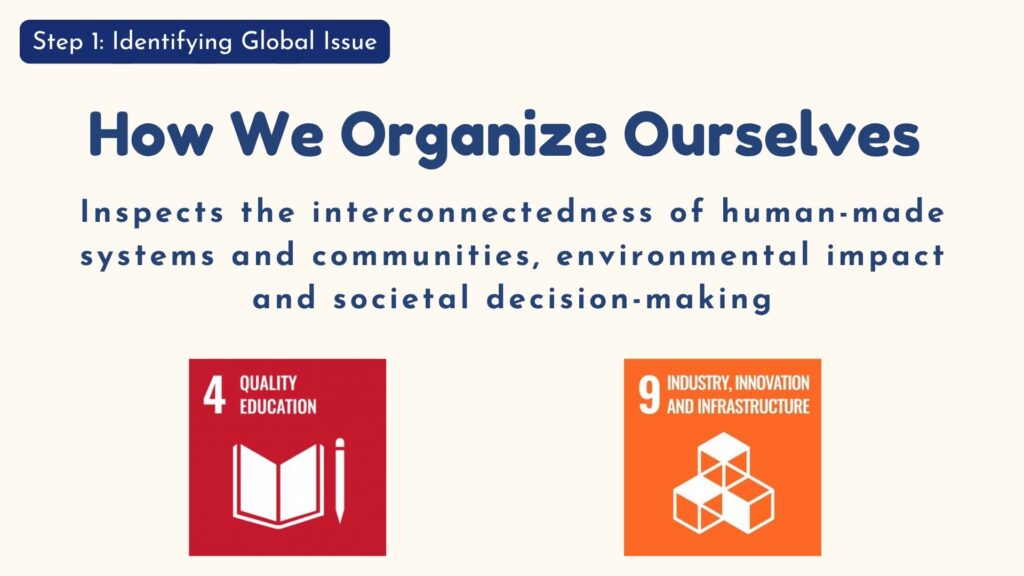
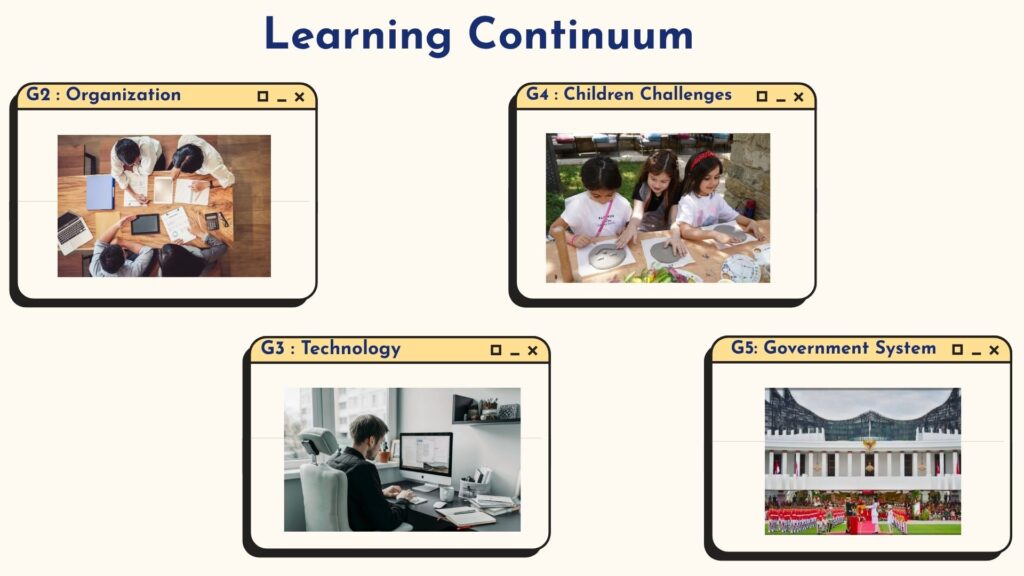
Students explore the transdisciplinary theme How We Organize Ourselves. This unit focuses on understanding how human-made systems and communities are interconnected, and how they influence environmental sustainability and societal decision-making.
Through this inquiry, students investigate closely connected to the United Nations Sustainable Development Goals (SDGs), particularly:
Industry, Innovation, and Infrastructure (Goal 9) – exploring how innovation and systems support sustainable development
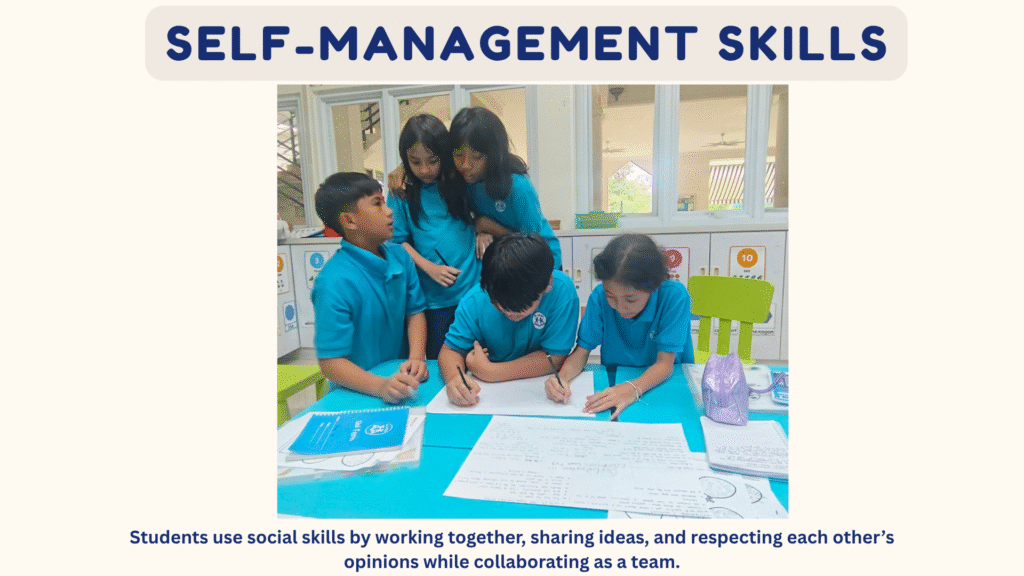
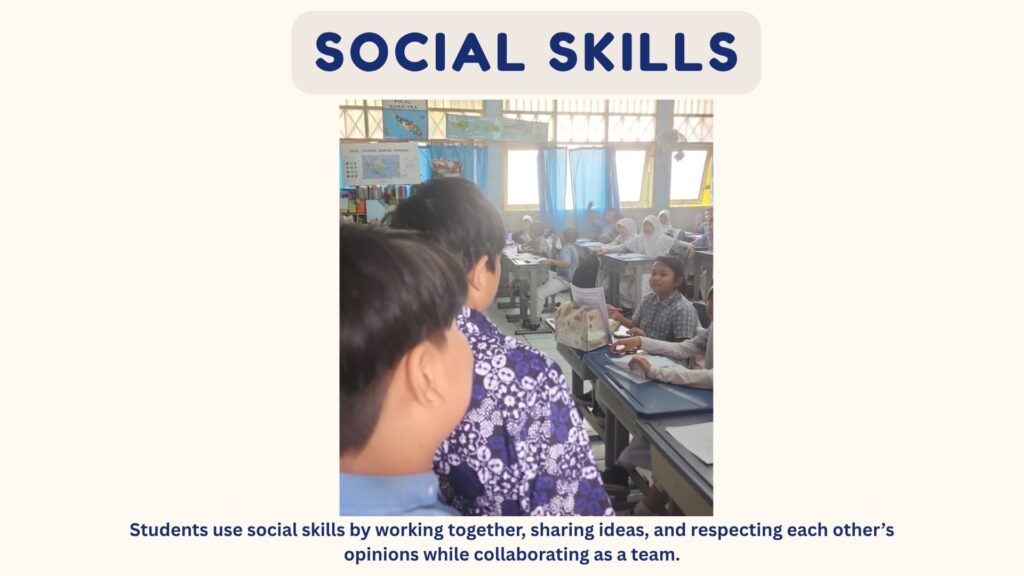
Students work collaboratively to research, analyze, and present their understanding of global issues. They develop key skills such as critical thinking, communication, and social responsibility, while taking action to make a positive difference in their communities.
ATL Skills
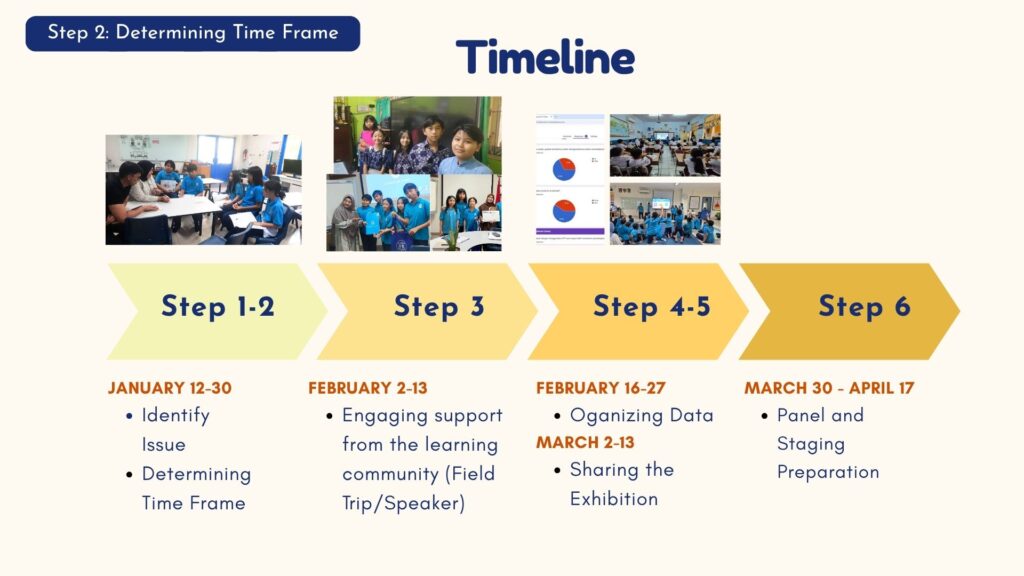
Step 2: Determining Time Frame
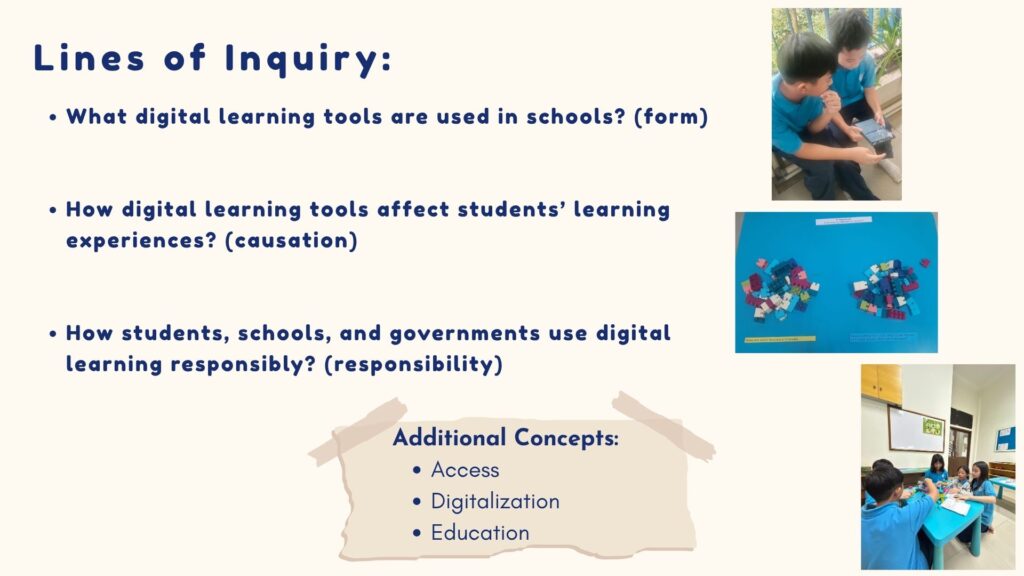
As we navigate this Unit of Inquiry, establishing a clear time frame is essential for deep exploration. This phase allows our students to pace their learning, moving from initial curiosity to meaningful action. By setting specific milestones, we ensure that our young Inquirers have the space to research, reflect, and collaborate effectively.
Step 3: Engaging Support From Community
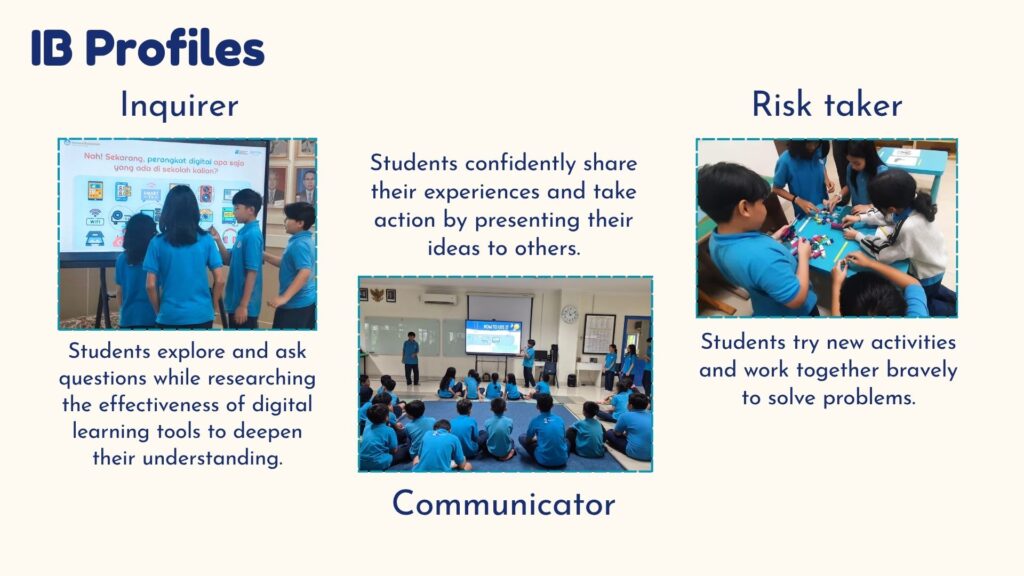
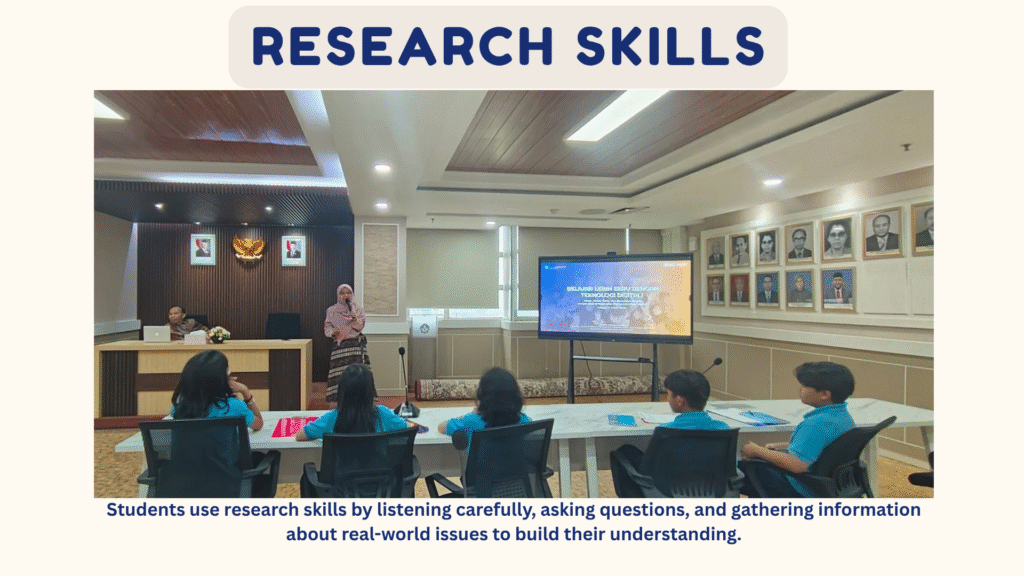
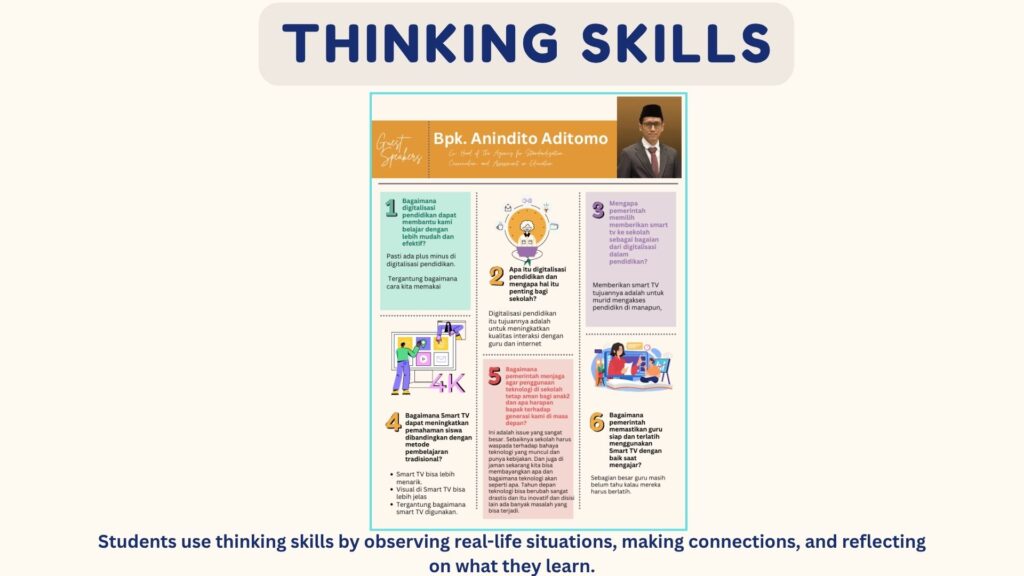
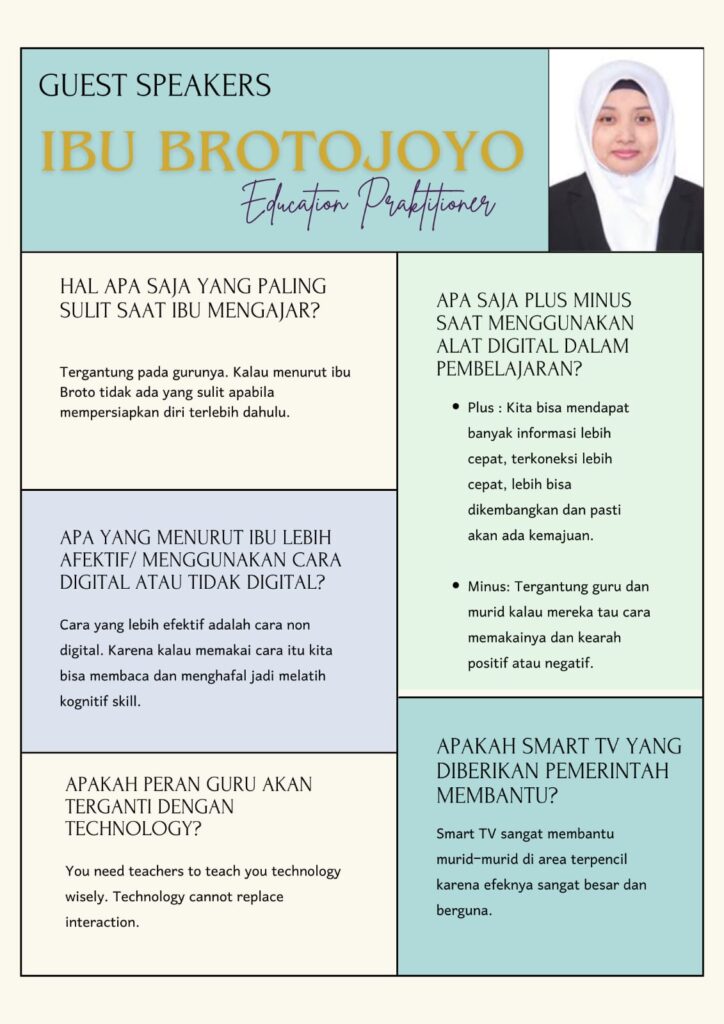
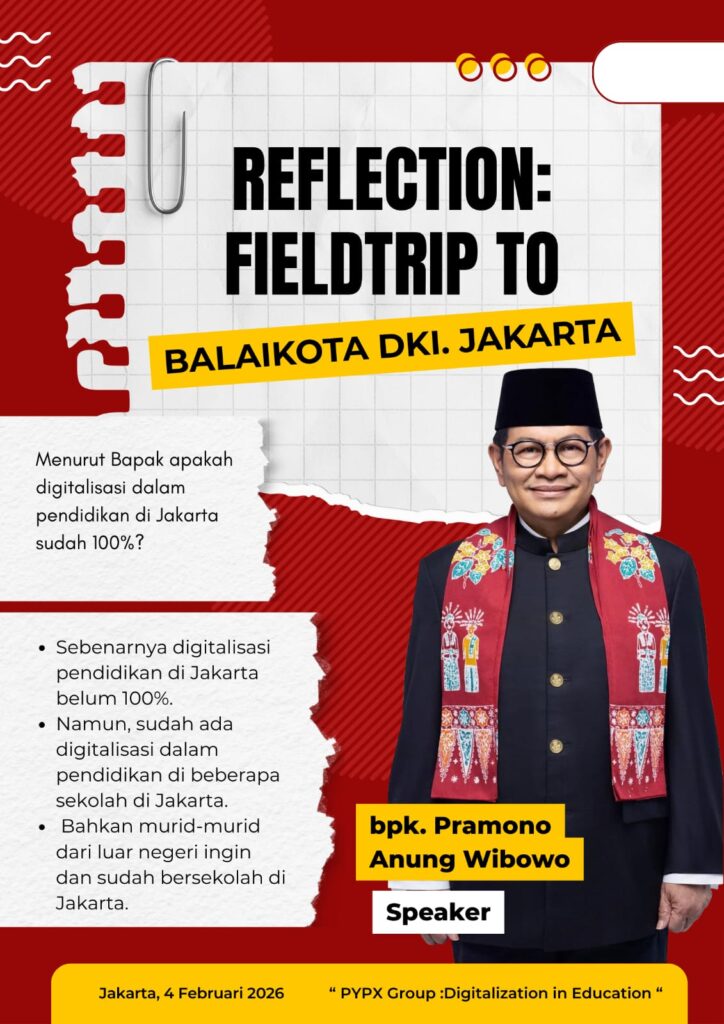
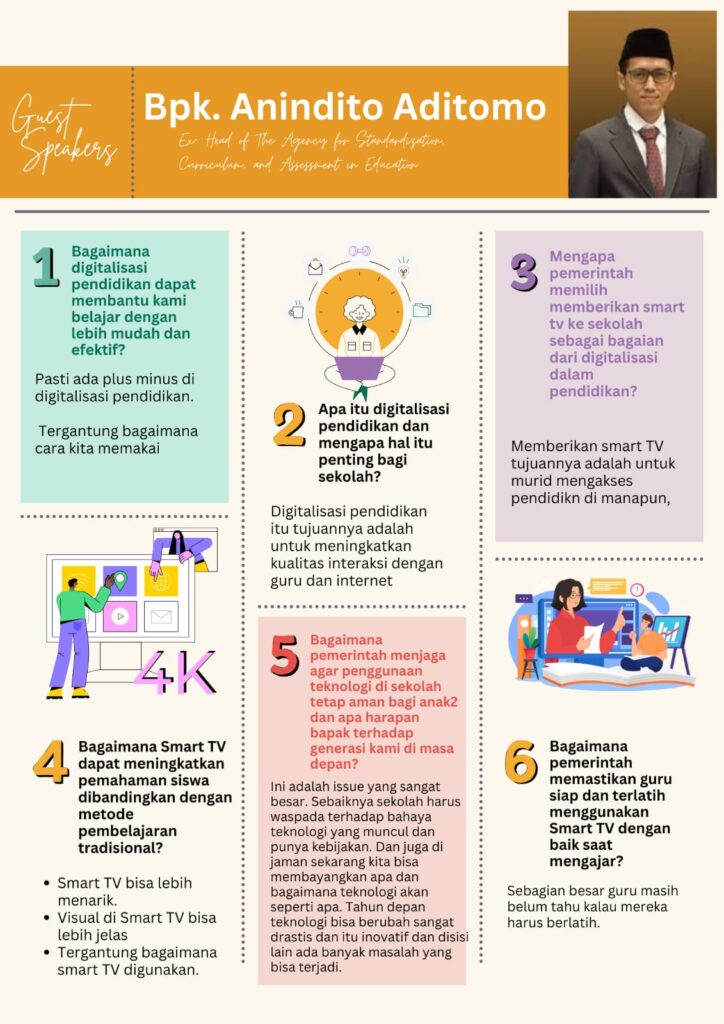
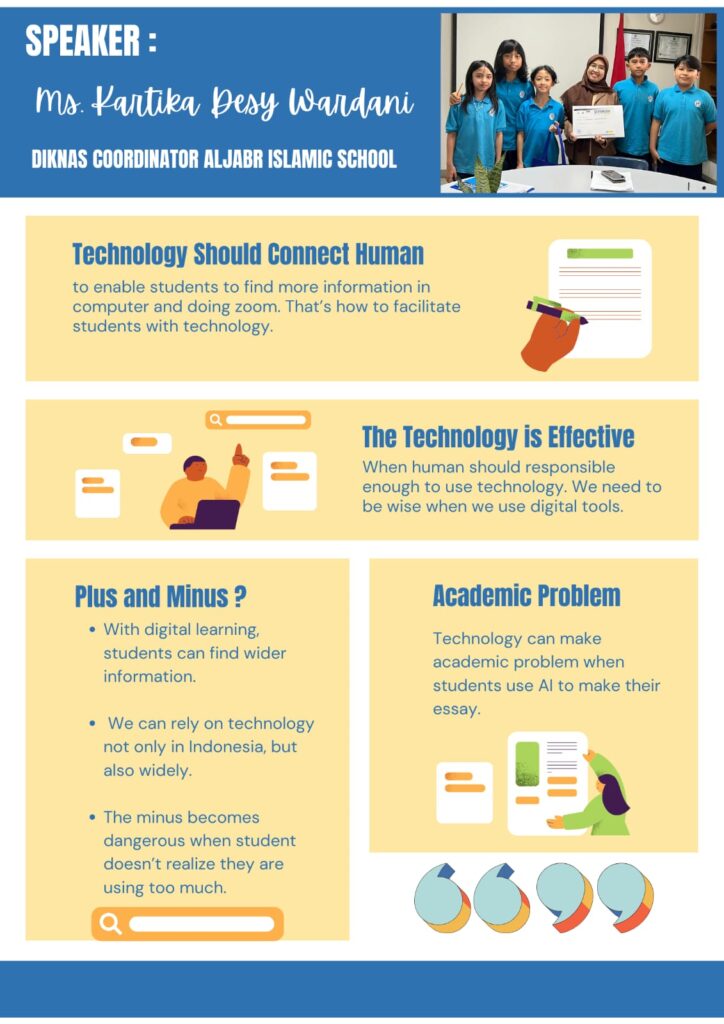
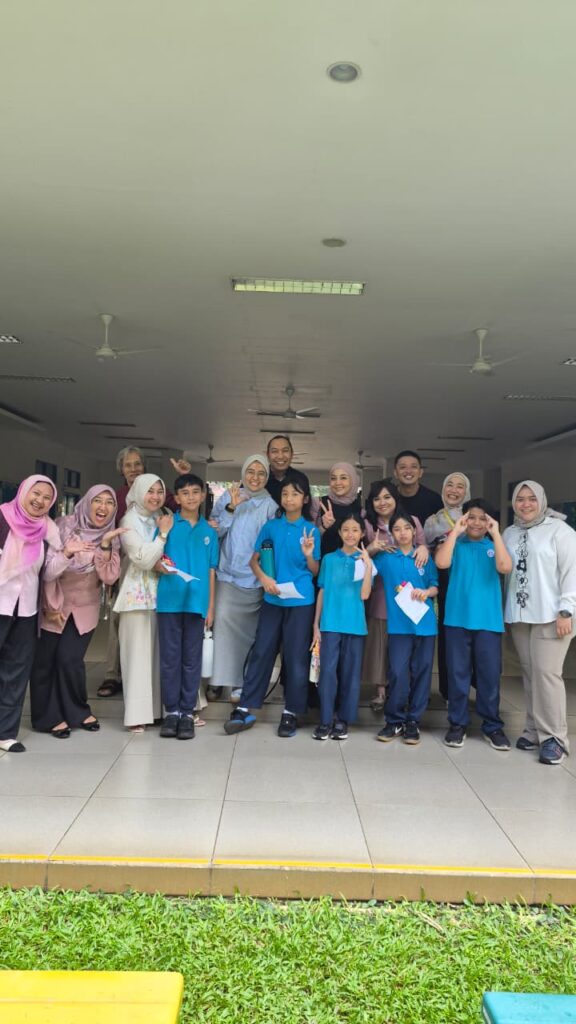
A huge thank you to our guest speaker for joining our Unit of Inquiry on Digital Learning. It was a fantastic session that challenged our students to think about how to use technology for effective education. Seeing our Risk-takers discuss smart ways to use digital tools with a professional was a highlight of the year!
Ibu Brotojoyo Retnowati
Education Practitioner
Bapak Anindito Aditiomo
Lorem ipsum dolor sit amet consectetur adipiscing elit dolor
Bapak Yayan dan Ibu Irma
Teacher and Principal of SD N 11 Pondok Labu
Bapak Nuril Farika Fitri
Director General of Primary Schools
Mr. Ryan and Ms. Desy
Al Jabr Community
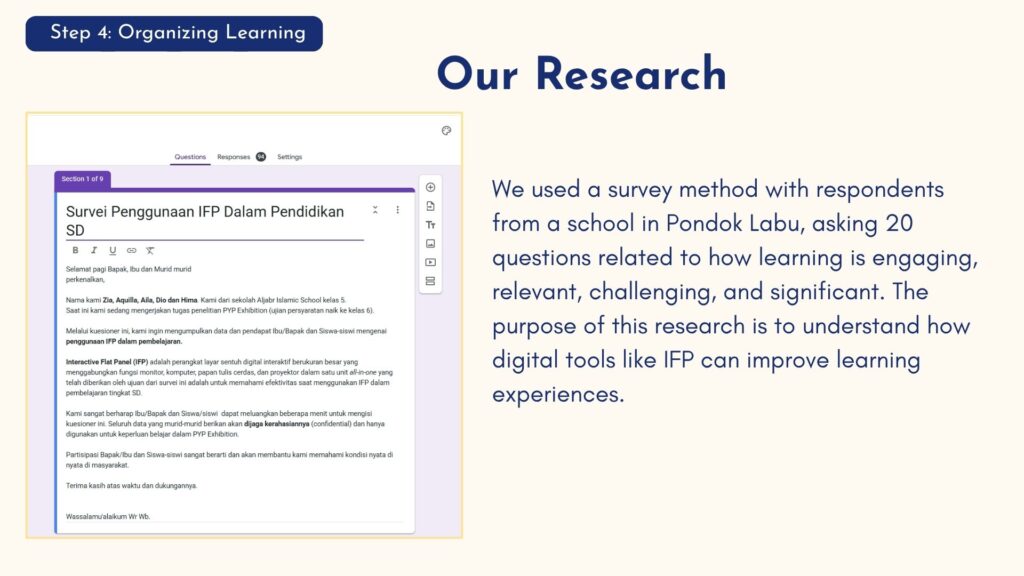
Step 4: Organizing Learning
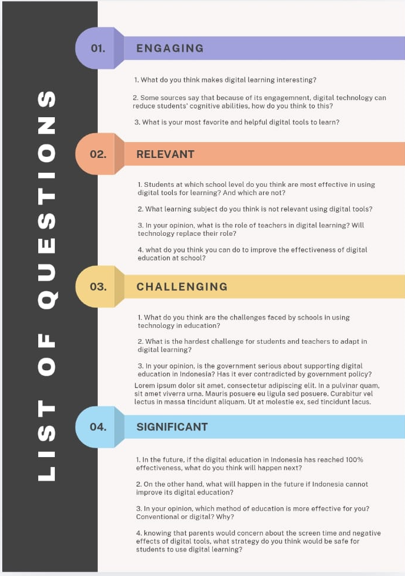
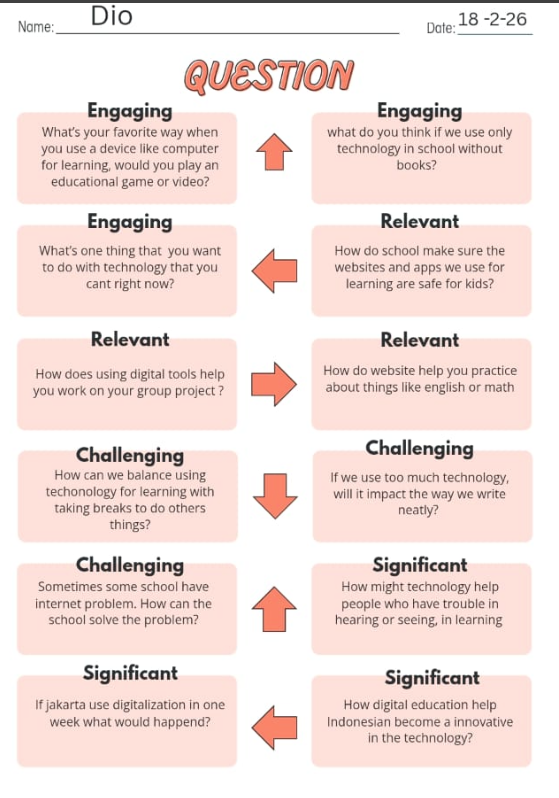
Teacher Questions
Click Here
Click Here
Click Here
Previous
Next
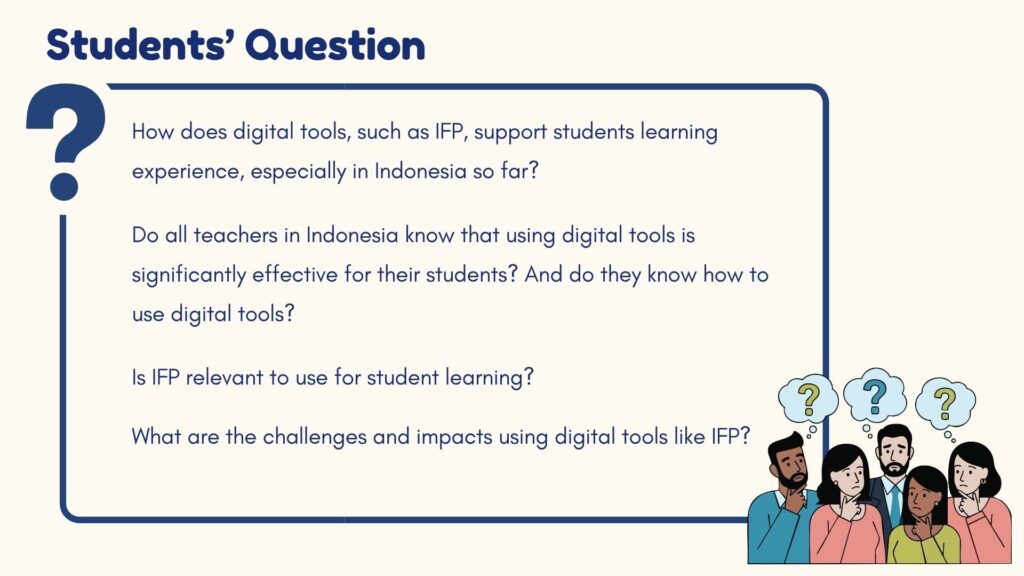
Student Questions
Click Here
Click Here
Previous
Next
Tips in Using IFP
Step 5: Sharing The Exhibition
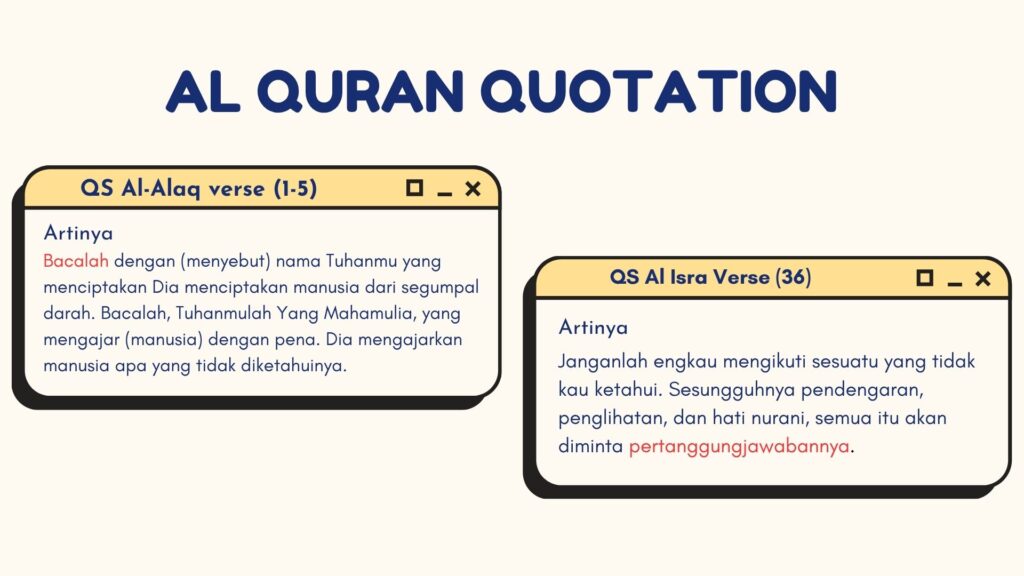
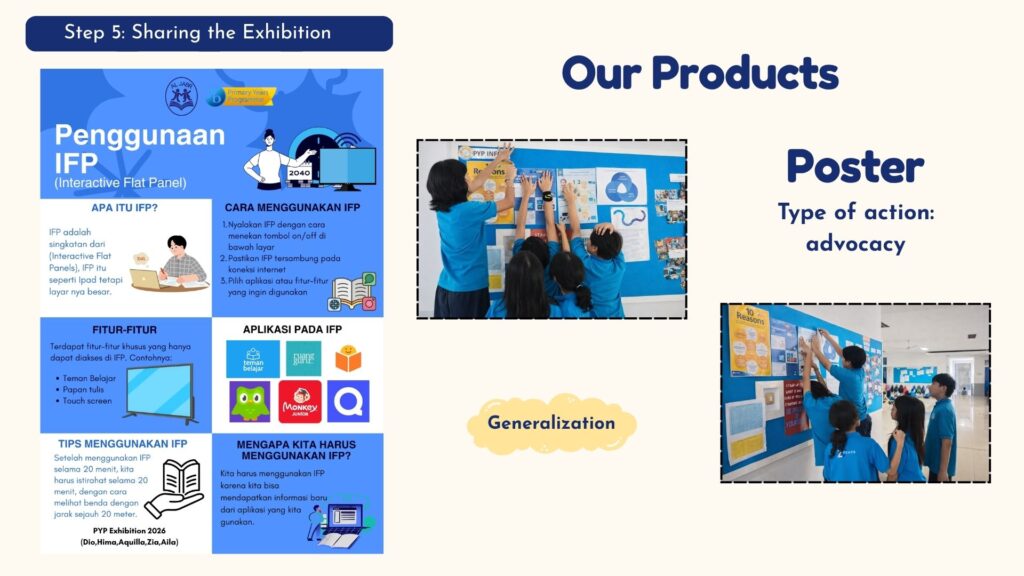
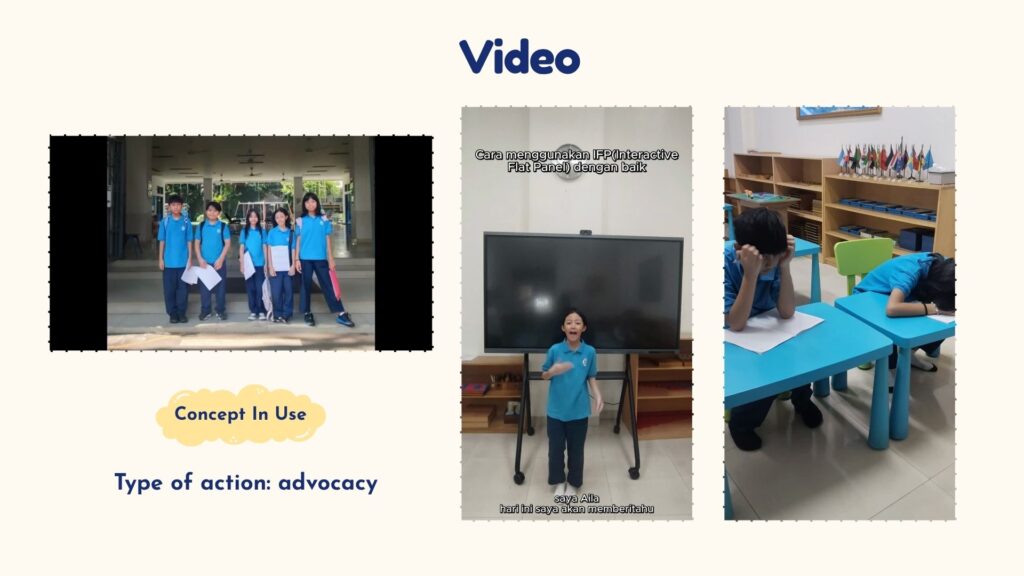
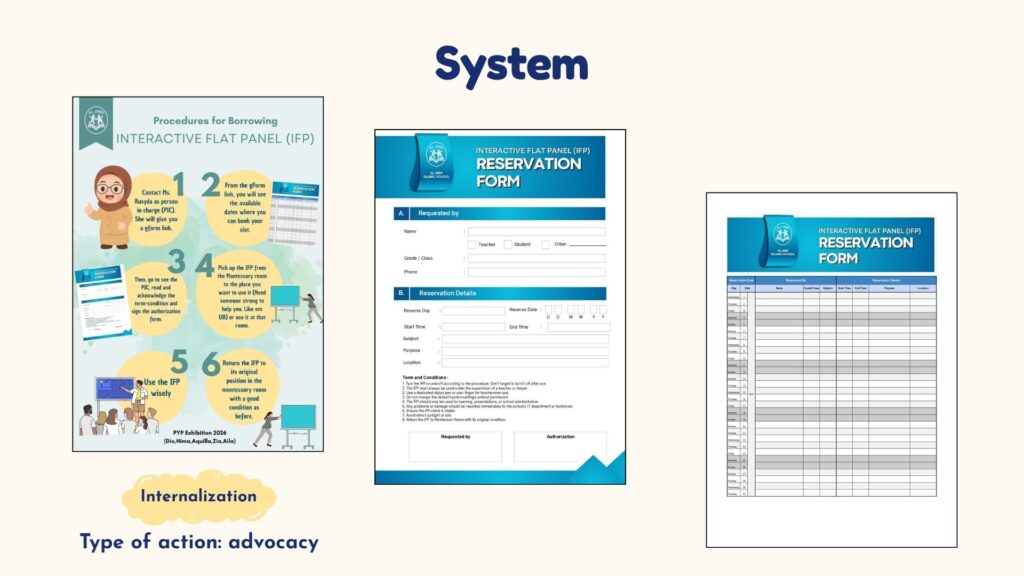
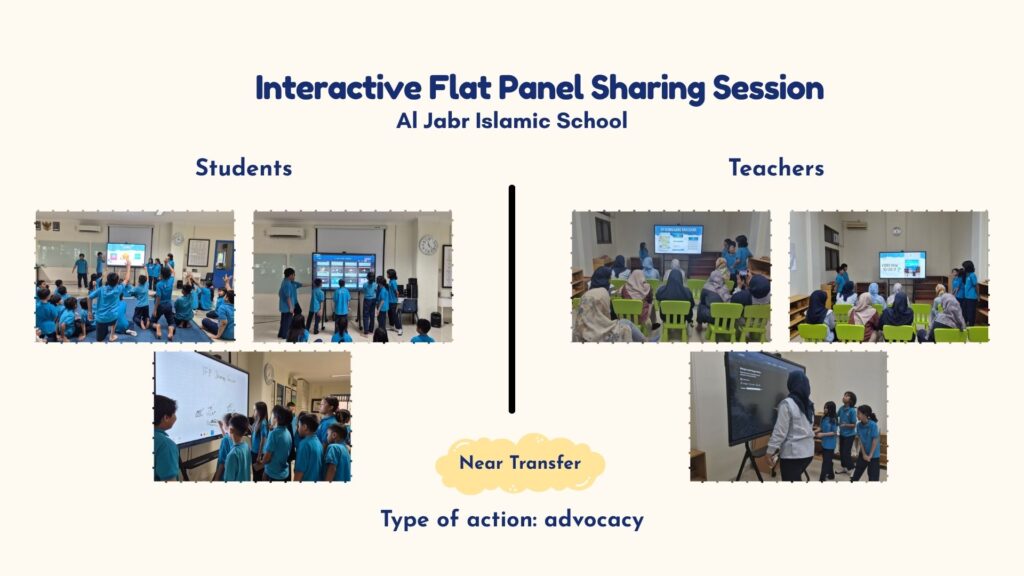
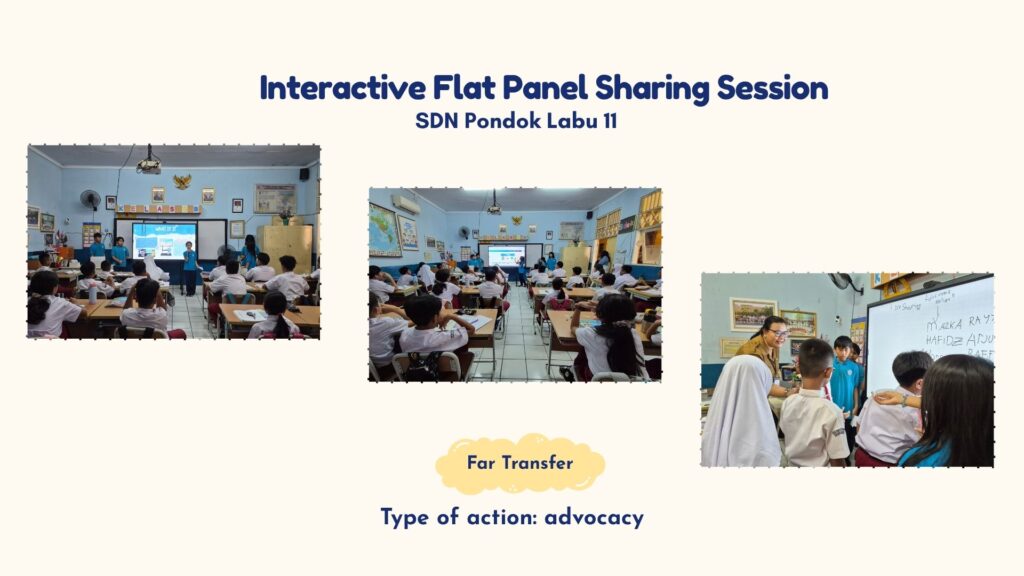
Through posters, videos, and systems they designed, students share their ideas and understanding about using technology in learning. These products show how students take action by raising awareness, expressing their thinking, and applying what they have learned in real-life situations. From creative visuals to practical systems, each work reflects their collaboration, creativity, and effort.
We hope you enjoy exploring their projects and feel inspired by their learning journey!
Previous
Next
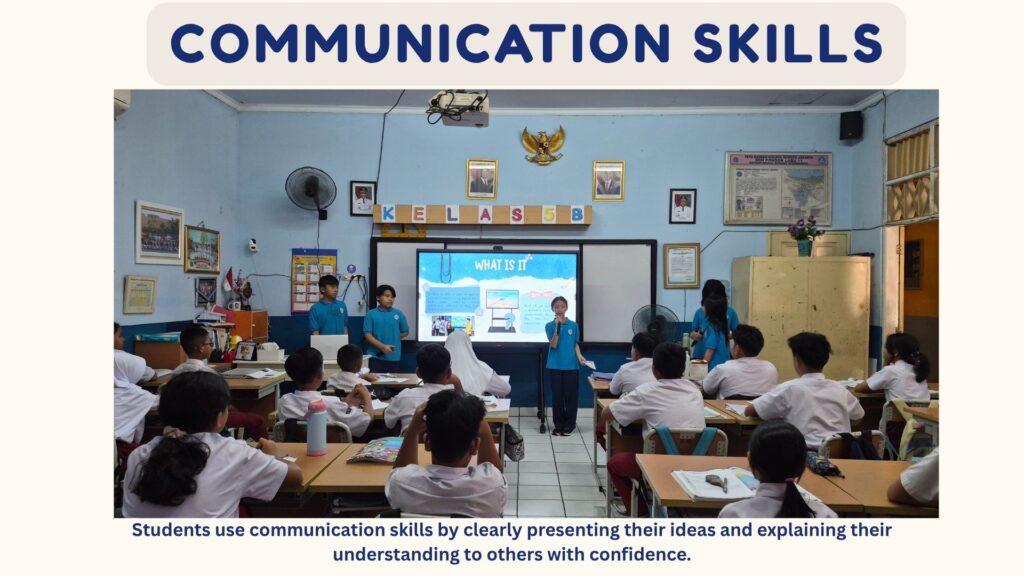
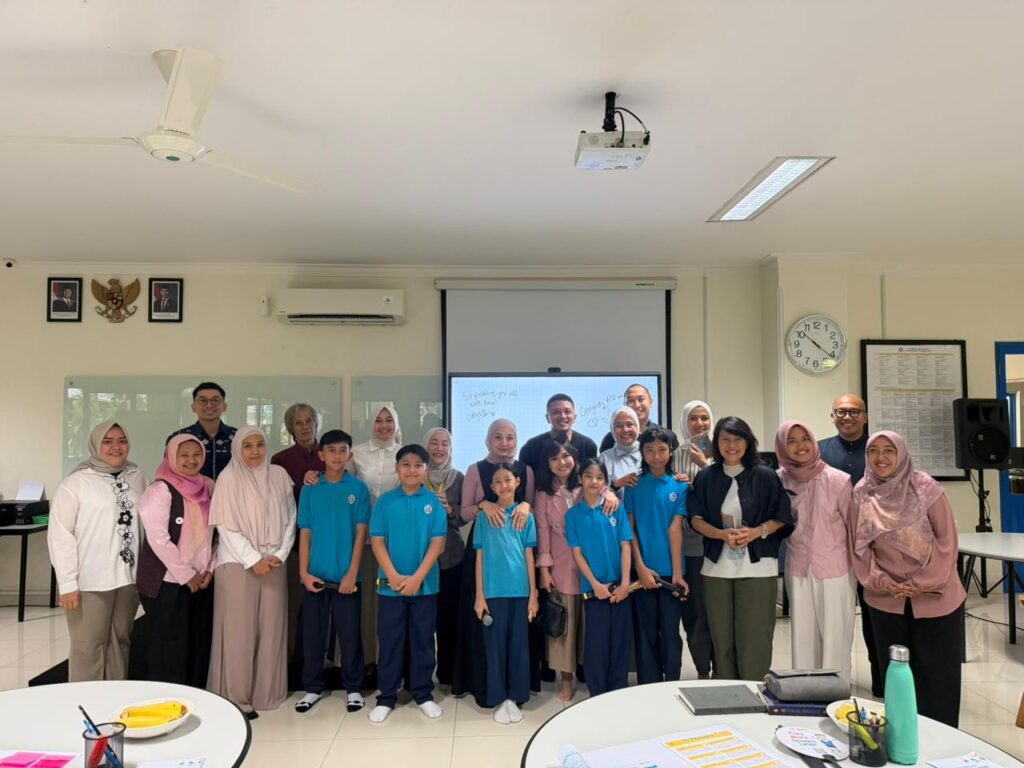
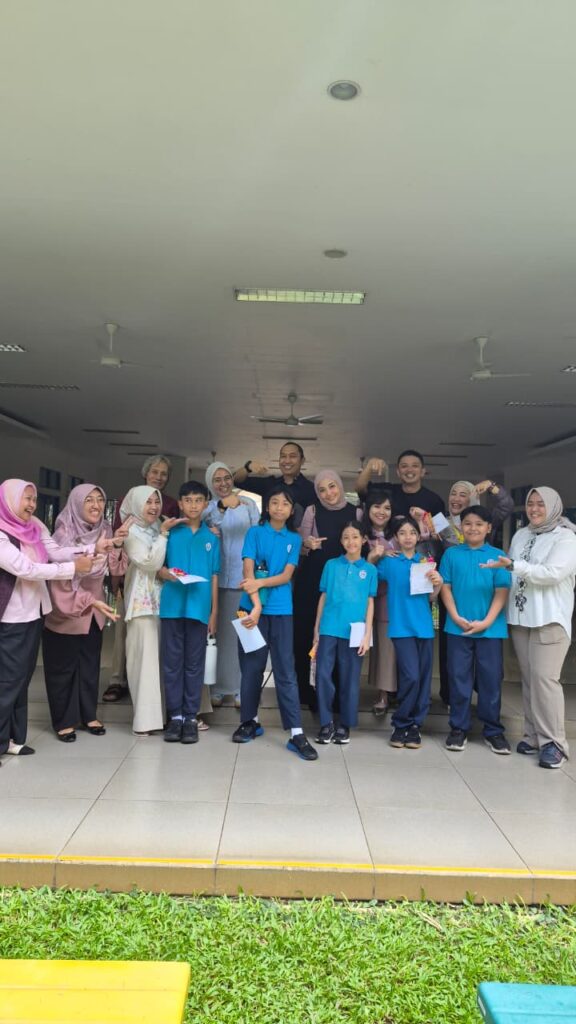
We confidently presented our exhibition to the Head of School and leaders, showcasing our hard work and creativity. As inquirers, communicators, and knowledgeable learners, we clearly explained our ideas and projects, demonstrating our understanding of digitalization in education through interactive flat panels.
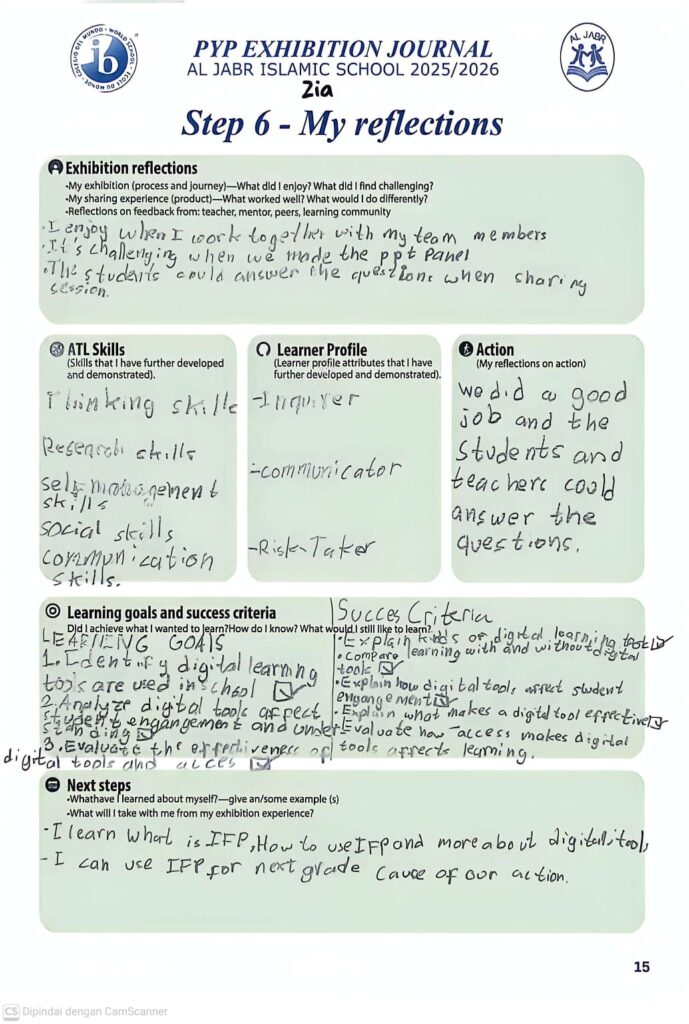
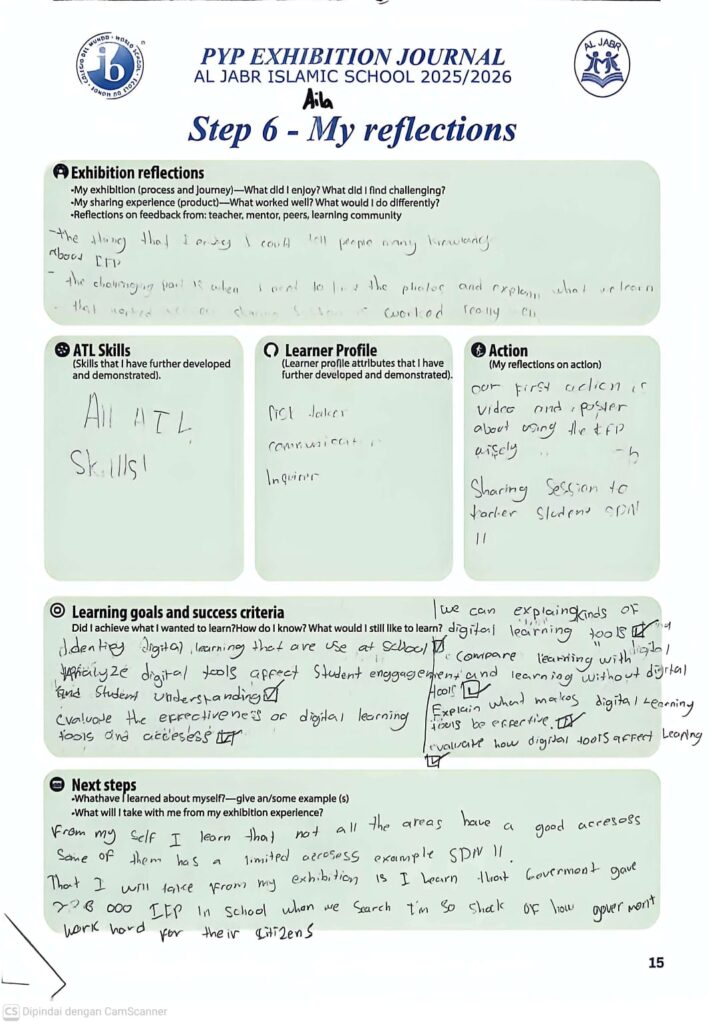
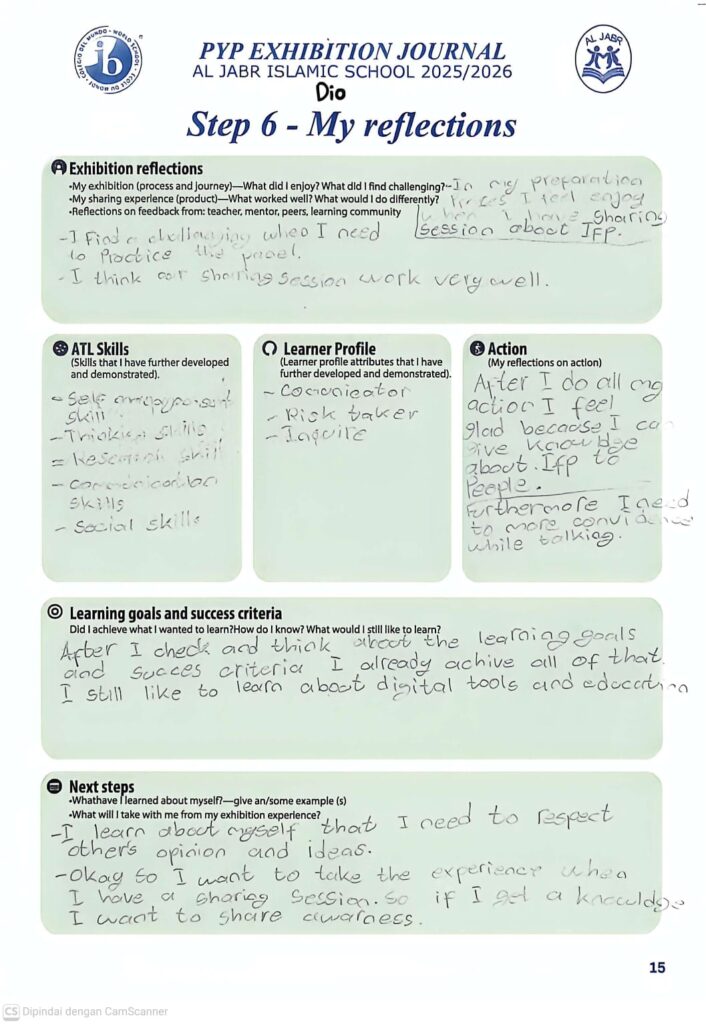
Step 6 : Reflection
We used to think:
Now we think:
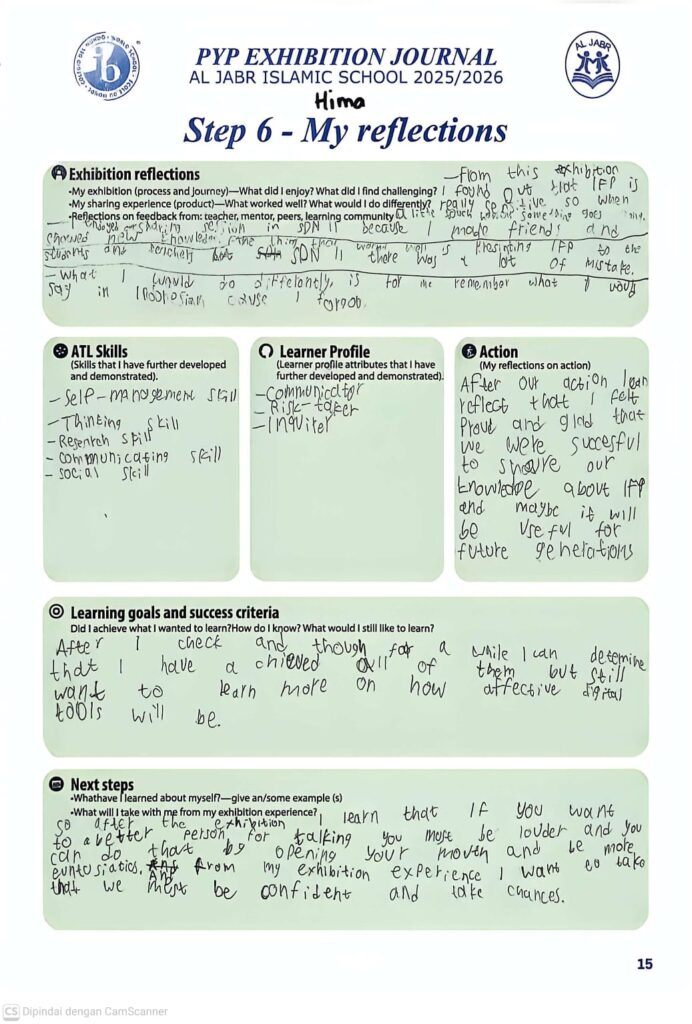
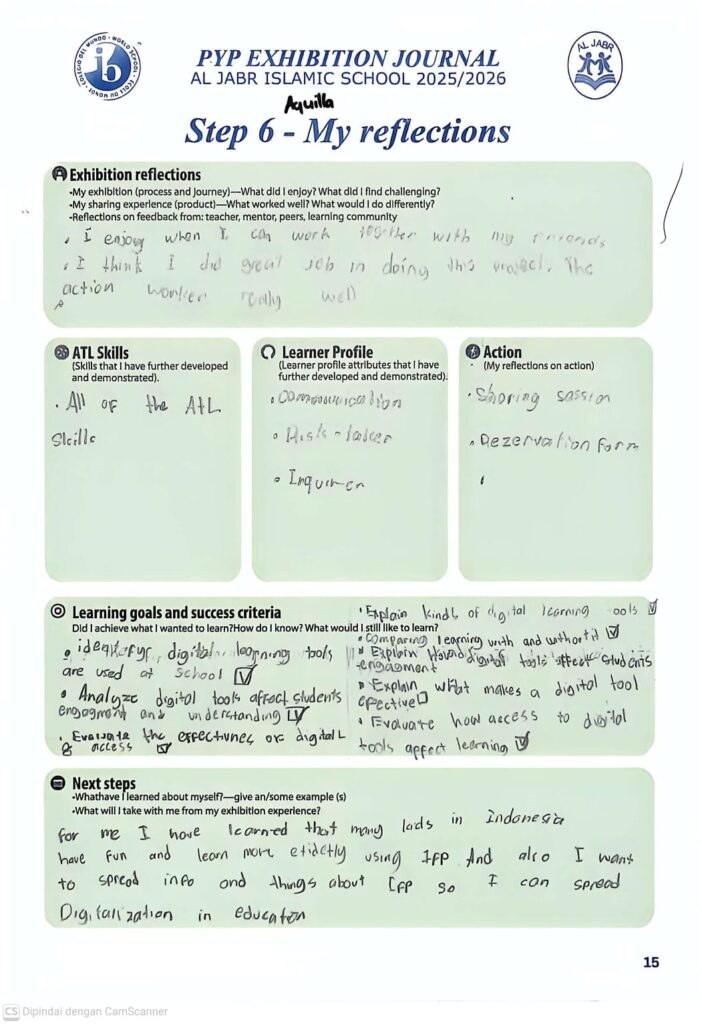
Our Successes:
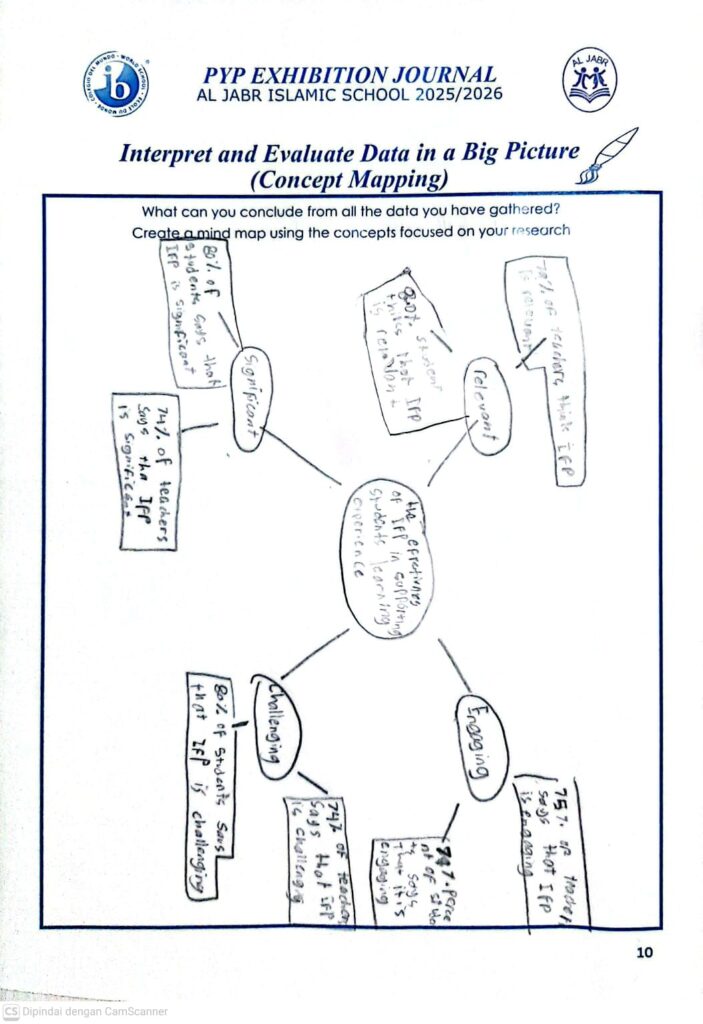
Our Challenges:
Digital tools were only for fun or simple learning, and we did not fully understand how they could support deeper learning experiences.
Digital tools, such as interactive flat panels, can make learning more engaging, meaningful, and effective when used in the right way.
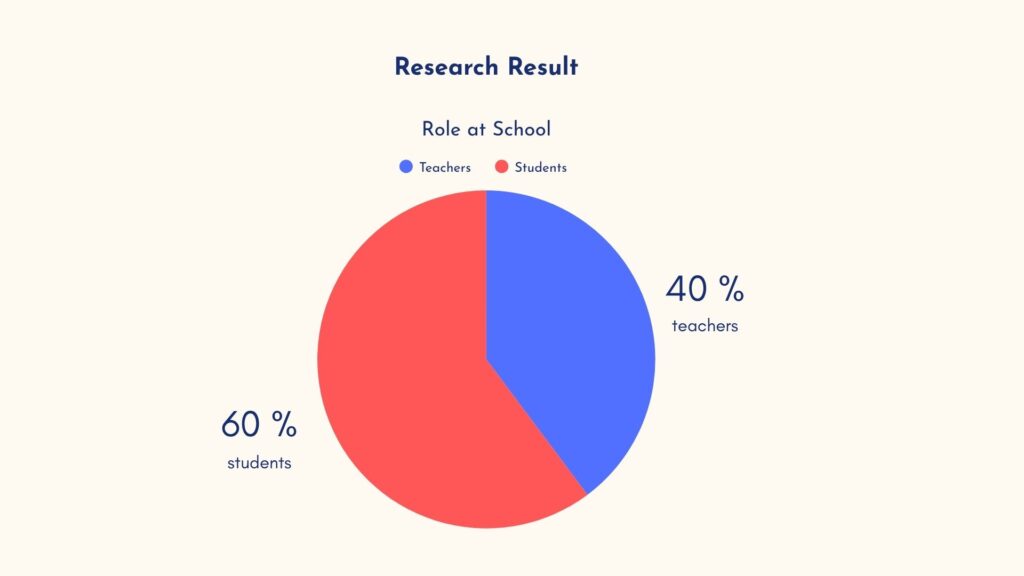
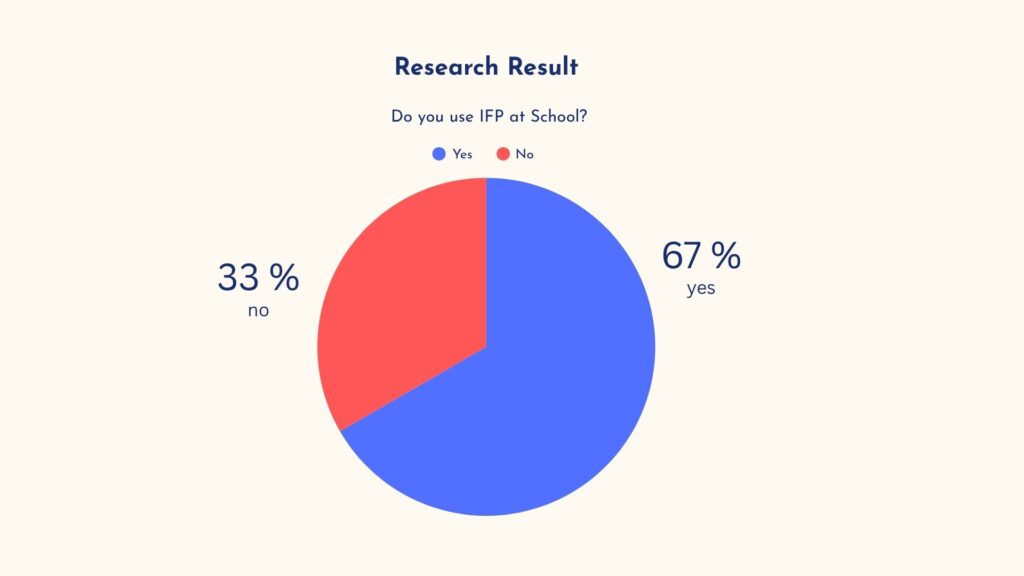
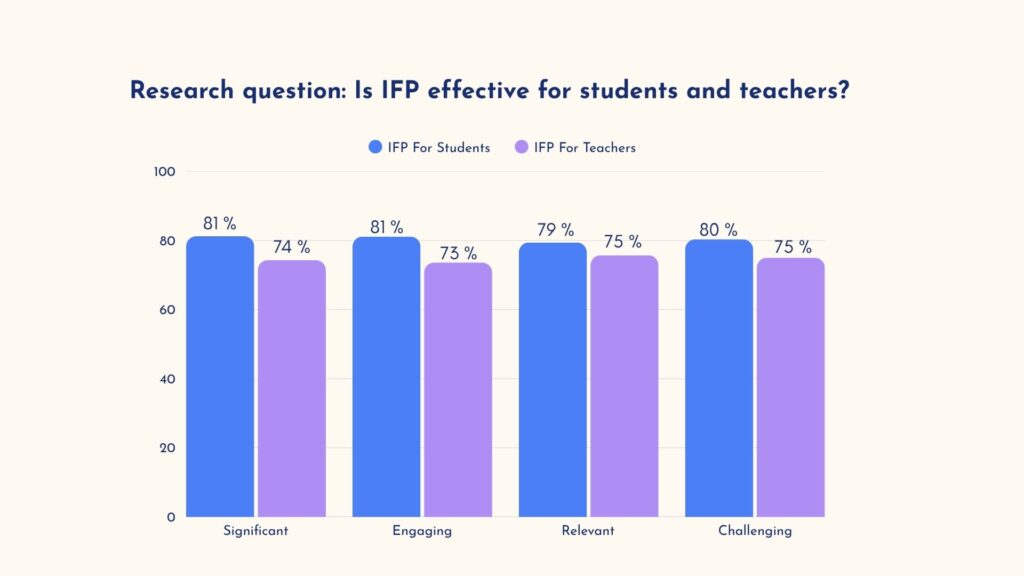
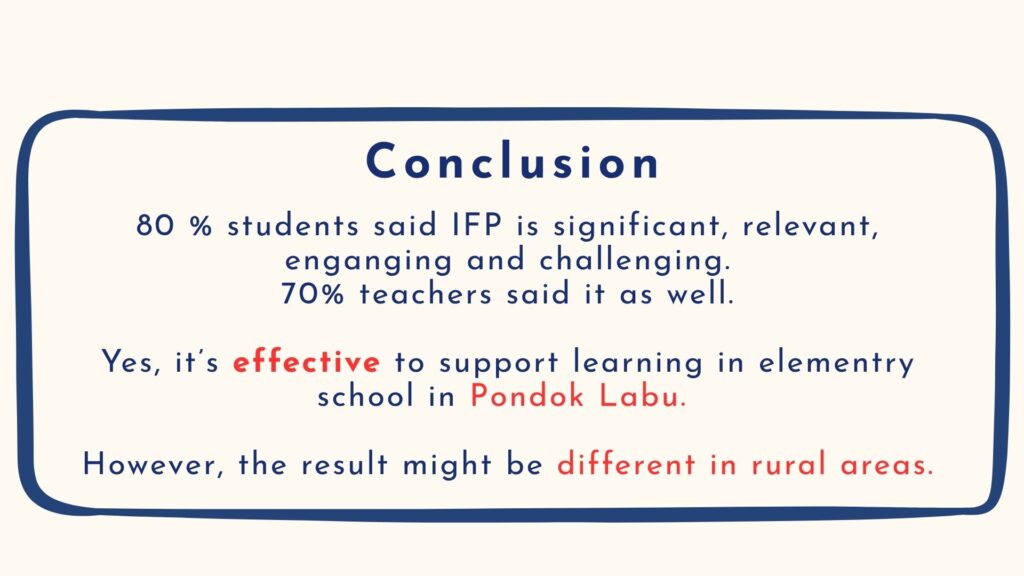
We developed a better understanding of how digital learning supports learning experiences. As inquirers and thinkers, we explored different perspectives from students and teachers, and as communicators, we shared our findings clearly.
We found it challenging to collect and analyze data, manage our time, and understand different opinions. We also needed to think carefully about how to create clear guidelines for using the IFP. As reflective learners, we realized that the effectiveness of digital learning may be different in other contexts, such as rural areas.