An inquiry into interconnectedness of human-made systems and communities; the structure and function of organizations; societal decision-making; economic activities and their impact of humankind and the environment”
Central Idea
The importance of calculating carbon footprint to support clean environment
Lines of Inquiry
1. The importance of calculating carbon footprint - Change 2. The effects of carbon footprint to the environment - Causation 3. Ways to reduce carbon footprint at home - Responsibility
Key Concept
Change Causation Responsibility
SDGs
Sustainable Development Goals
Al-Quran Verses
QS. Al-A’raf ayat 56:
“Dan janganlah kamu berbuat kerusakan di bumi setelah (diciptakan) dengan baik. Berdoalah kepada-Nya dengan rasa takut dan penuh harap. Sesungguhnya rahmat Allah sangat dekat kepada orang yang berbuat kebaikan.”
Step 1: identifying global issues
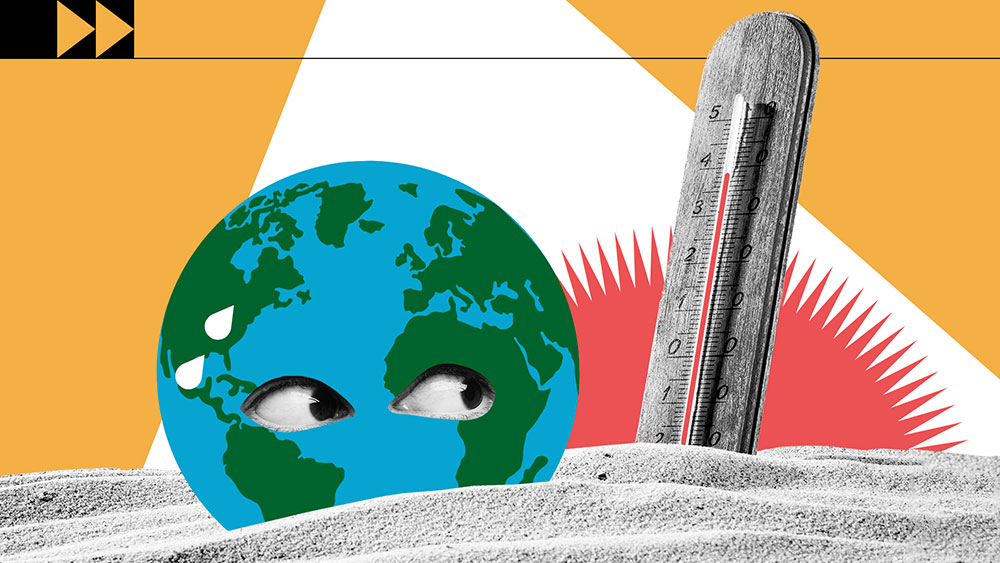
Global temperatures have risen by 1 degree Celsius since 1880, with a projected increase of 3.6 to 7.2 degrees Celsius by 2050.The last 10 years have been recorded as the hottest years!
This warming trend is causing severe consequences worldwide. Extreme weather events, ecosystems are struggling to adapt, leading to disruptions in agriculture, water shortages, and loss of wildlife and rising sea levels pose a significant threat to coastal regions and island nations. To address this urgent issue, we must transition to sustainable energy sources, conserve natural resources, and work together globally to combat climate change.
Did you know?
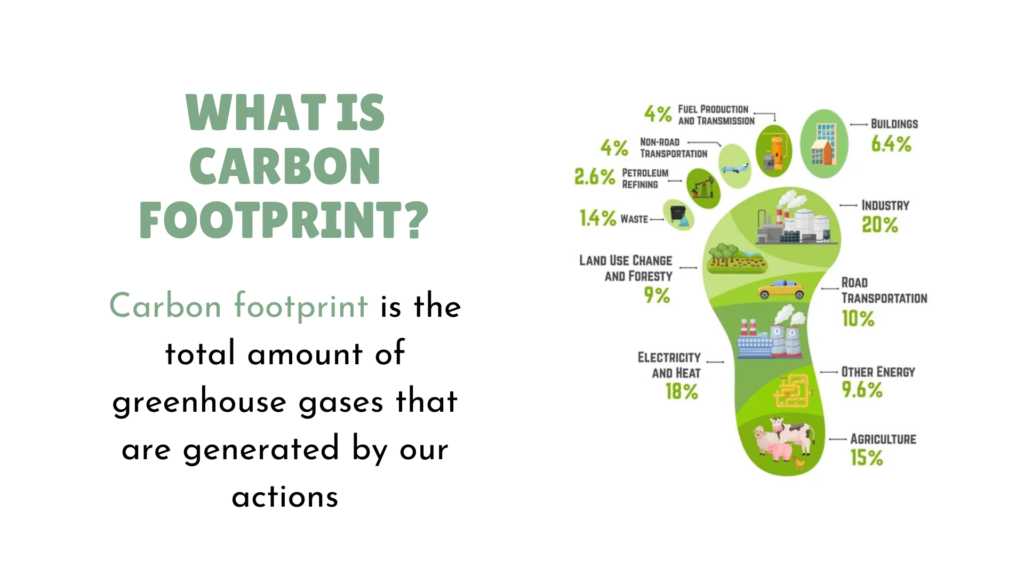
Indonesia is one of the Top 10 countries (from around the world) that produces greenhouse gases emission, mostly from agriculture and electricity
That’s why the students choose the topic “The Importance of Calculating Carbon Footprint” because we need to be mindful when producing carbon footprint.For that, the students want to know how calculating carbon footprint can help reducing gas emissions.
Step 2: determining time frame
PYPx is never a one-person job. In this step, the students set the timeline and deadlines to help visualize the planning process and the end goal – that way, the students can stay motivated and focused.
So here we use measurables deadlines into our timeline to track the progress!
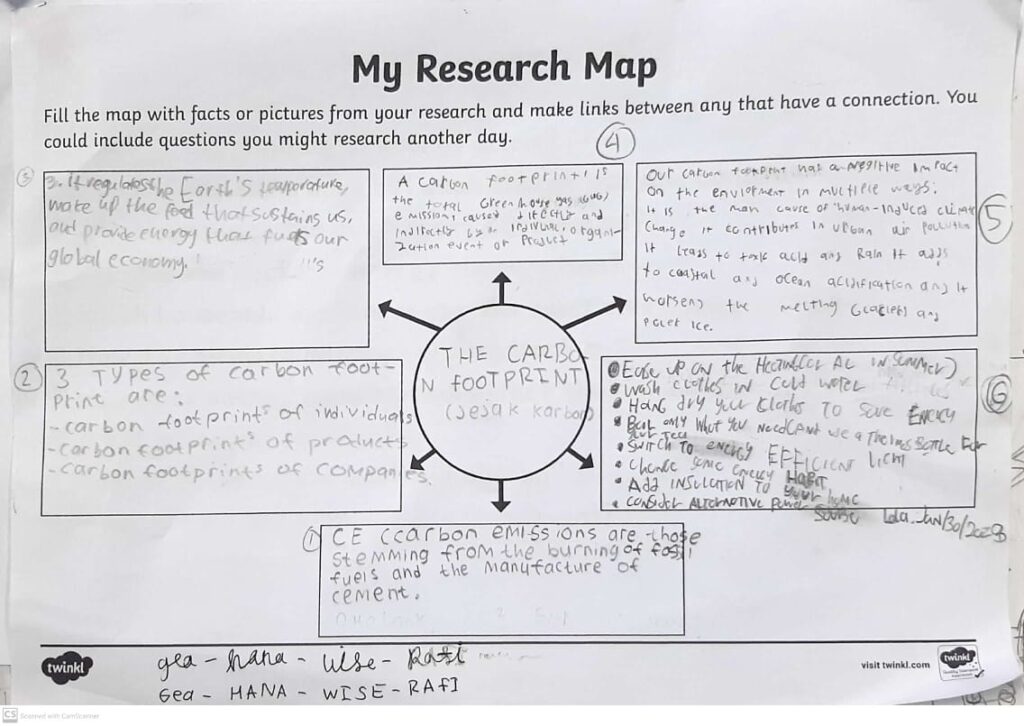
Before a further research, we gather the information and try to define what actually carbon footprint is.. We found out that…
Step 3: Engaging Support From the Learning Community
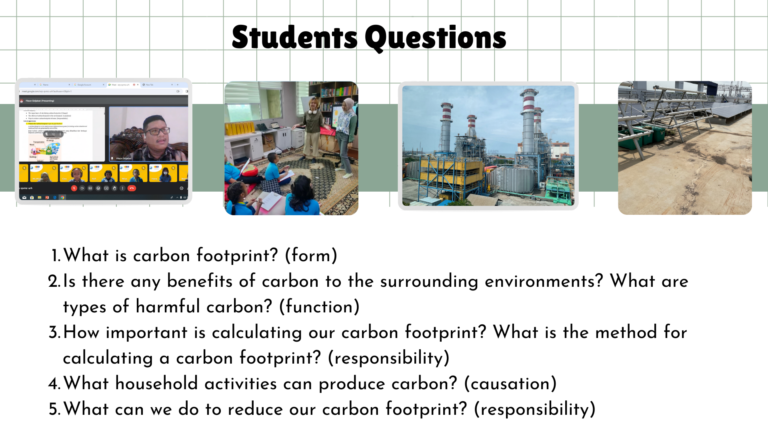
Before we find out more about how carbon footprint really affects the environment, we invited the experts that are directly linked to the issue that we are inquiring about to get more knowledge and perspective.
The use of electricity in Indonesian households keep increasing
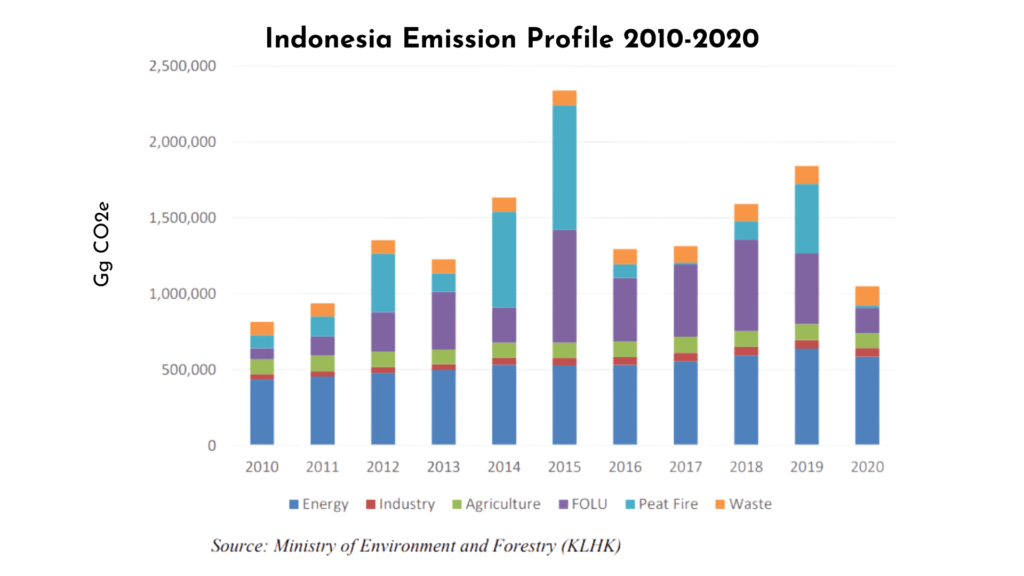
Throughout 2010-2020, most emission produced by Indonesia is from energy and forest/other land use (FOLU)
KEMENTERIAN ESDM
PT PLN NUSANTARA POWER
Mr. Filson Sidjabat
Step 4: organizing learning
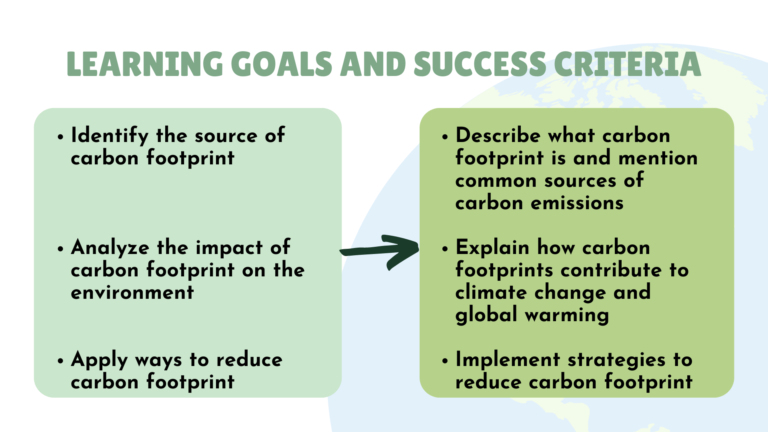
After receiving information from various experts, we set our learning goals so our exhibition is on track.
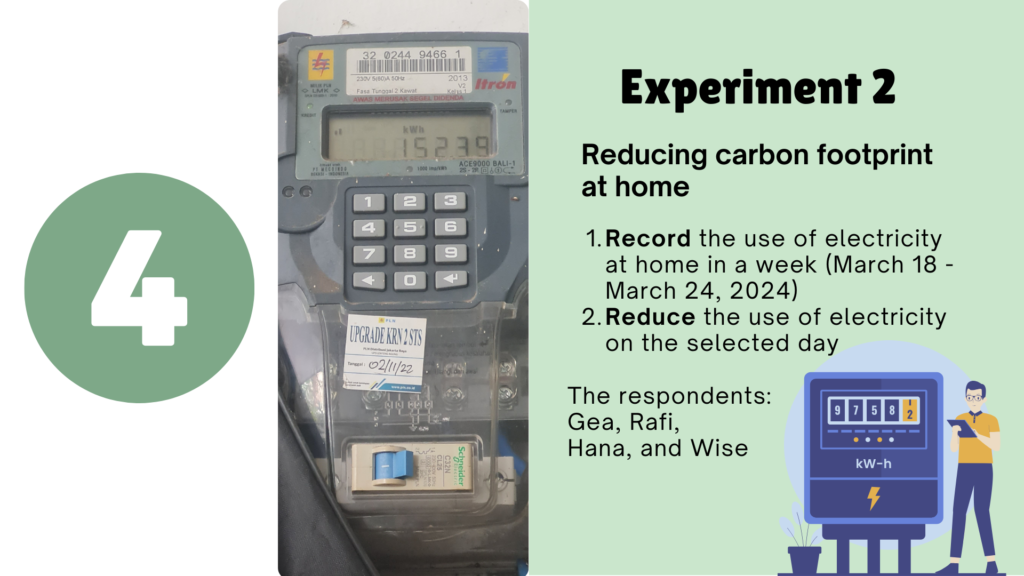
Now it's time to do the experiment!
First, we are curious about how carbon dioxide affects the Earth’s temperature.. Therefore we conducted an experiment to test our hypothesis.
The procedures are..
Prepare 4 beaker glasses with different materials: Air, vinegar, baking soda, and carbon dioxide
Put the material in each glass then wrap the glass
Check the temperature for every 5 minutes with alcohol thermometer and infrared thermometer
Previous
Next
We conclude that..
Using the alcohol thermometer, we found out that the temperature in the air we trapped has reached the critical point of carbon dioxide (29-31 degrees C).
When the amount of carbon dioxide goes up, the temperature increases.
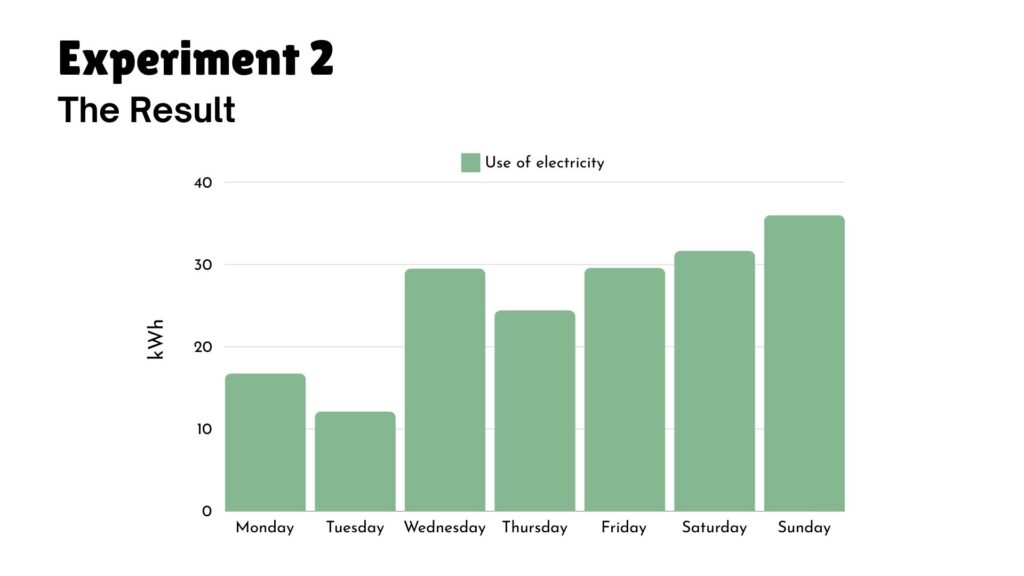
In the second experiment, our conclusions are…
During weekdays, the electricity use is less than at the weekend
On Saturday and Sunday are the highest use of electricity
The more family members stay at home, the more carbon footprint will be produced
Step 5: monitoring the exhibition
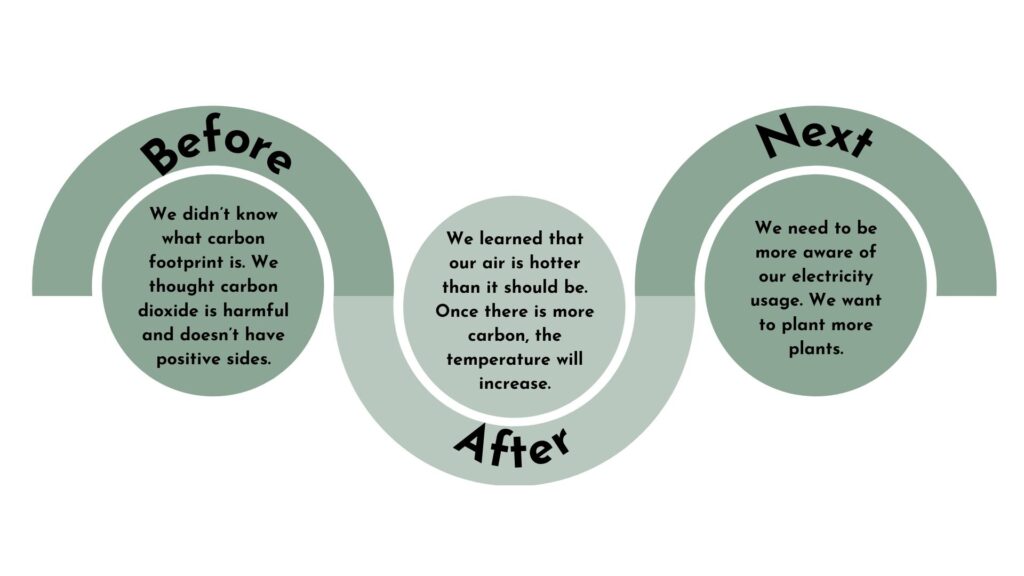
Before we continue the steps of our exhibition, we reviewed on what we have understood so we can decide what’s the next step..
Step 6: sharing the exhibition
Alhamdulillah, we are almost done! The students want to raise people’s awareness about how to reduce carbon footprint and inform people everything about it.
This book is telling about three animals that search for the reason why this Earth is getting hotter.
My Carbon Footprint Activity Book
This book contains activities that children can do after reading or listening to the storytelling from Carbon Journey. This book aims to engage the readers and reflect the new knowledge they have learned.
All About Carbon Footprint
This book informs people all facts about carbon footprint; where it comes from, the impacts to the environment, and how can we help.
Souvenir design
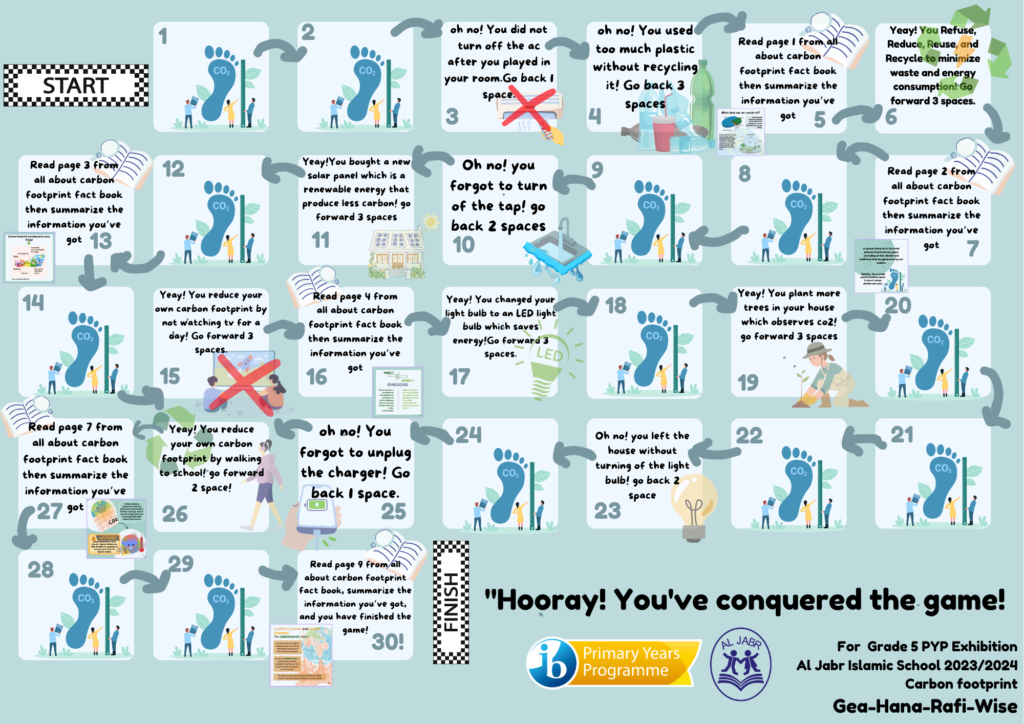
We also create interactive board game for entertaining the children while learning about carbon footprint
Not only creating books, we also would like to share our knowledge to others in a fun way too..
Board game
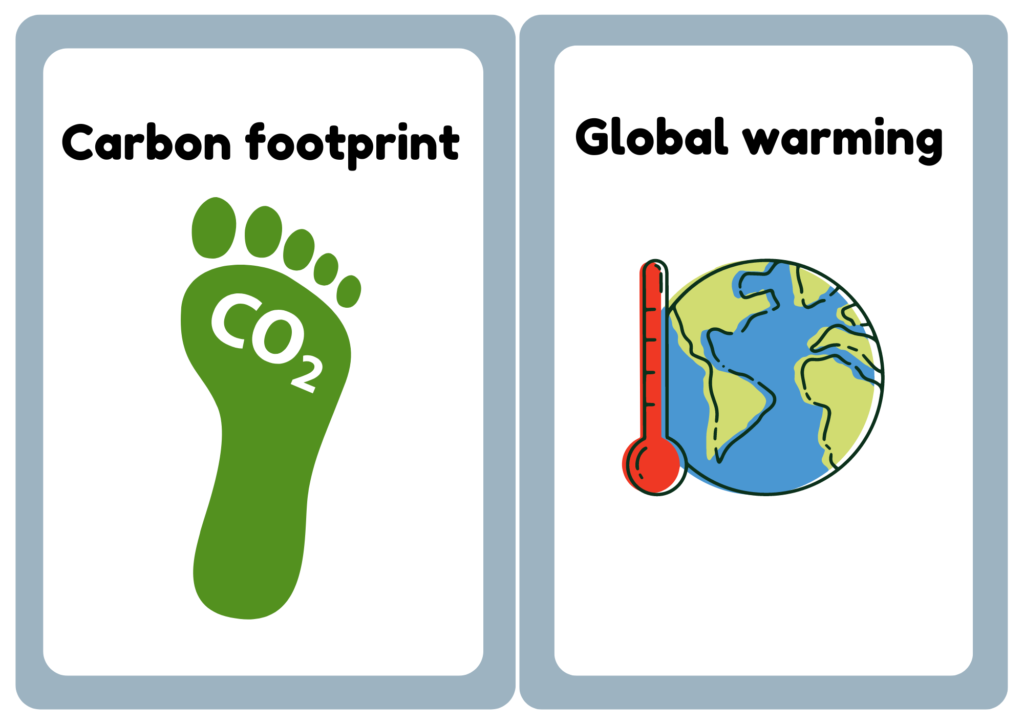
Flashcard
Wordwall Quiz
After creating series of book, then what we do next?
We decided to share our books to other students and schools with hope that they can learn too the importance of calculating carbon footprint and reduce it. So.. here are a glimpse of our journey while doing the storytelling to other students and schools!
Previous
Next
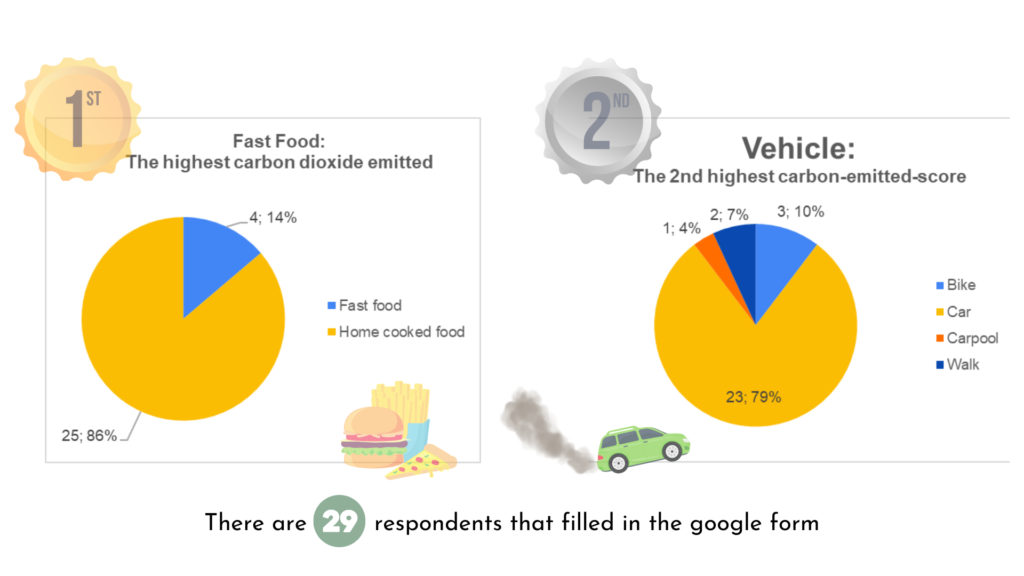
To make our exhibition more meaningful, we want to help our friends calculating their carbon footprint and see how their electricity usage habit, the food they eat, the vehicles they use to school and their recycle habit. Then, we did a survey by using google form.
we want more!
Not only to Al Jabr community and schools, the students also want to raise people’s awareness about how to reduce carbon footprint by planting our own plants! (Lifestyle choice)
Panel Session
D-day
The panel presentation is not the end of our journey, but it really determines the results of our assessment. We present our result and analysis in the panel session with the head of school, school principal, PYP coordinator, grade 5 teachers, mentors and our parents. Nervousness, emotion, happy are a mixed up feelings.
Alhamdulillah,
The panel session was run smoothly, we were able to speak fluently, answered questions well, and finished on time. We hope that the knowledge gained and the actions we have taken will be good for us, mentors, parents and the community. Aamiin
“Your beliefs become your thoughts, Your thoughts become your words, Your words become your actions, Your actions become your habits, Your habits become your values, Your values become your destiny.”